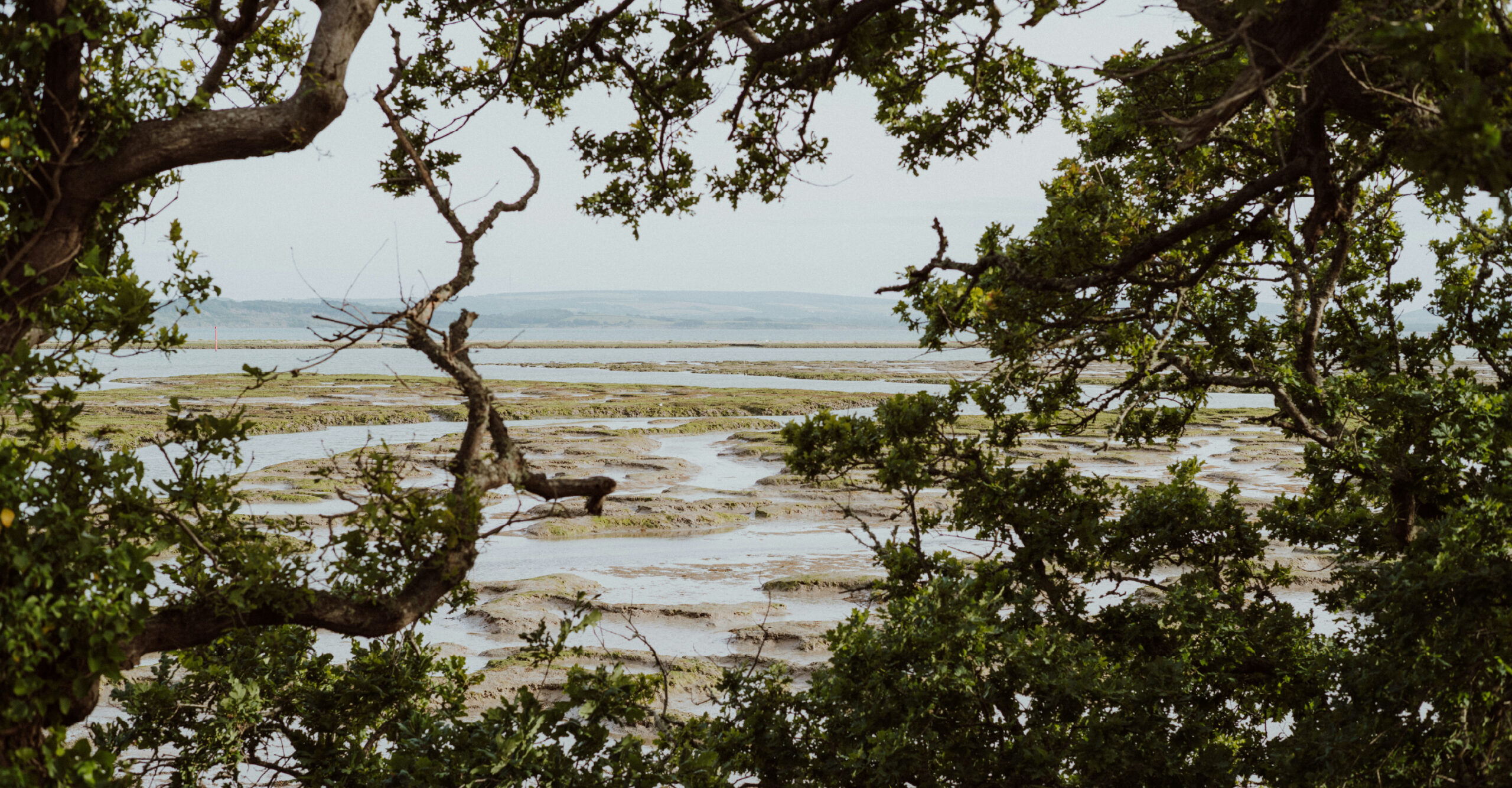
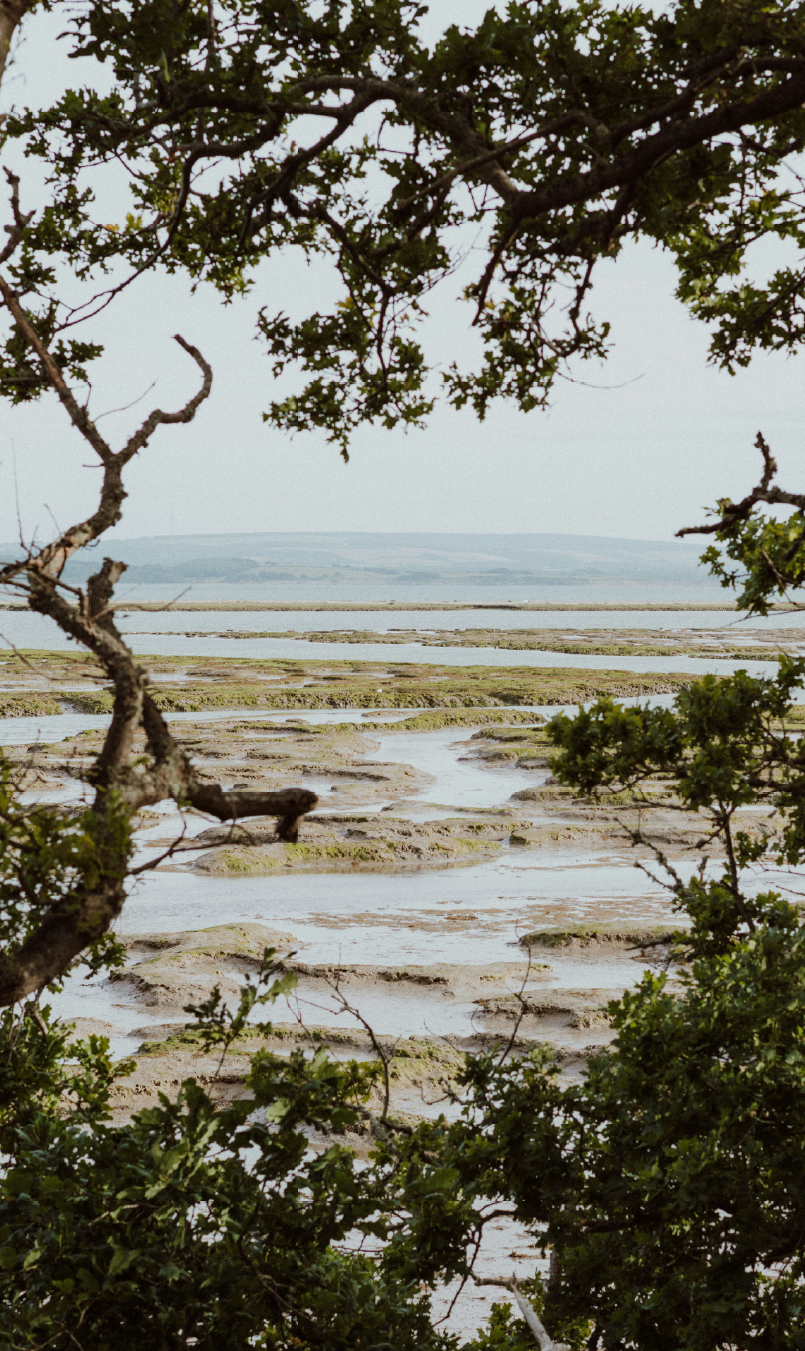
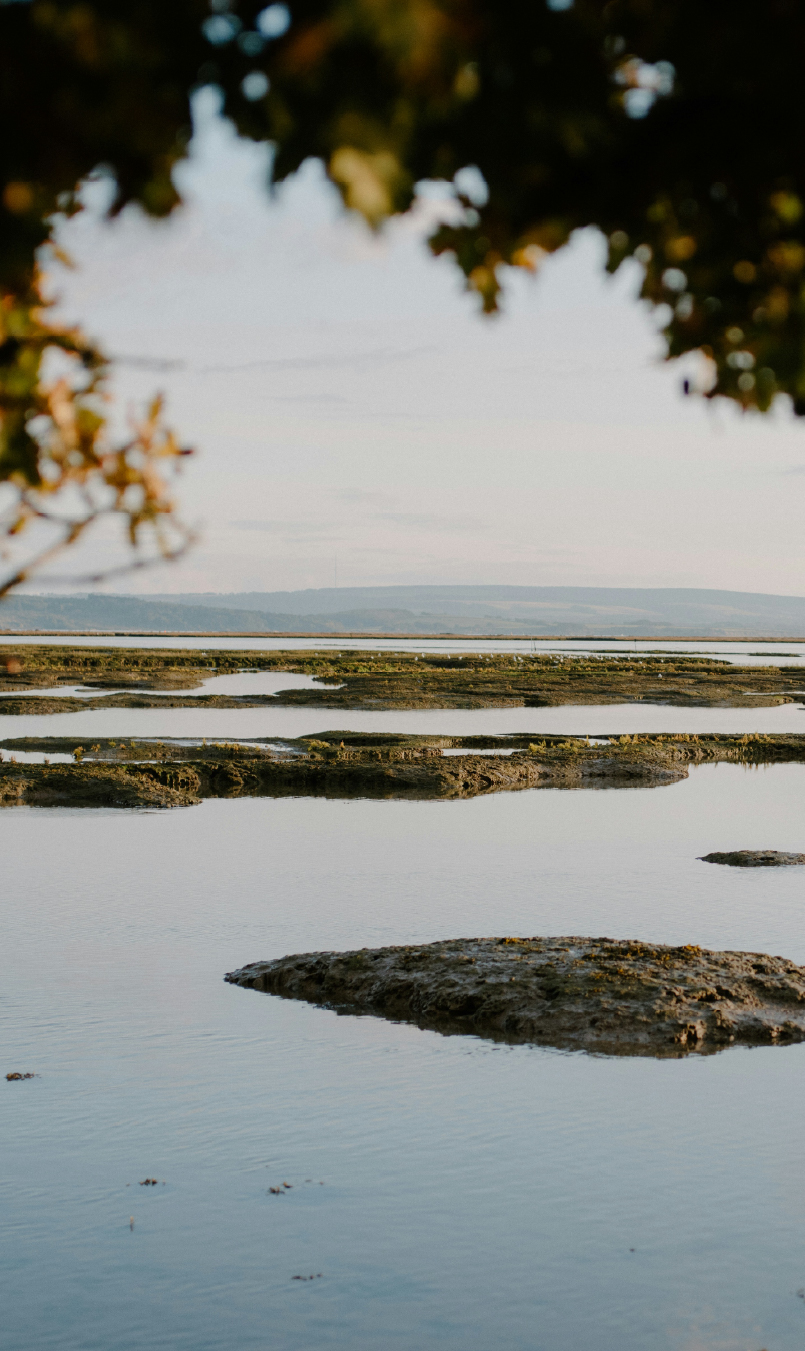
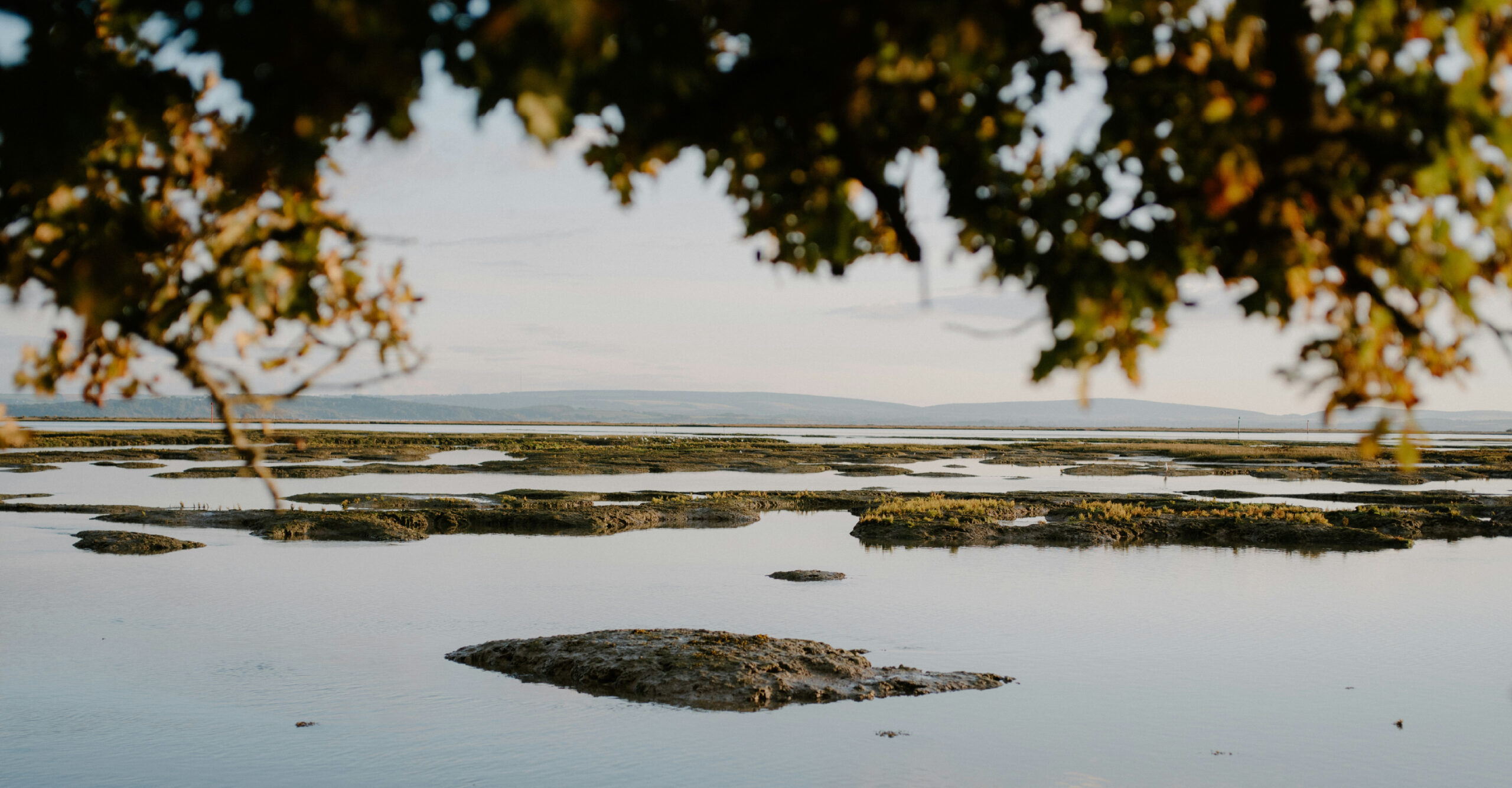
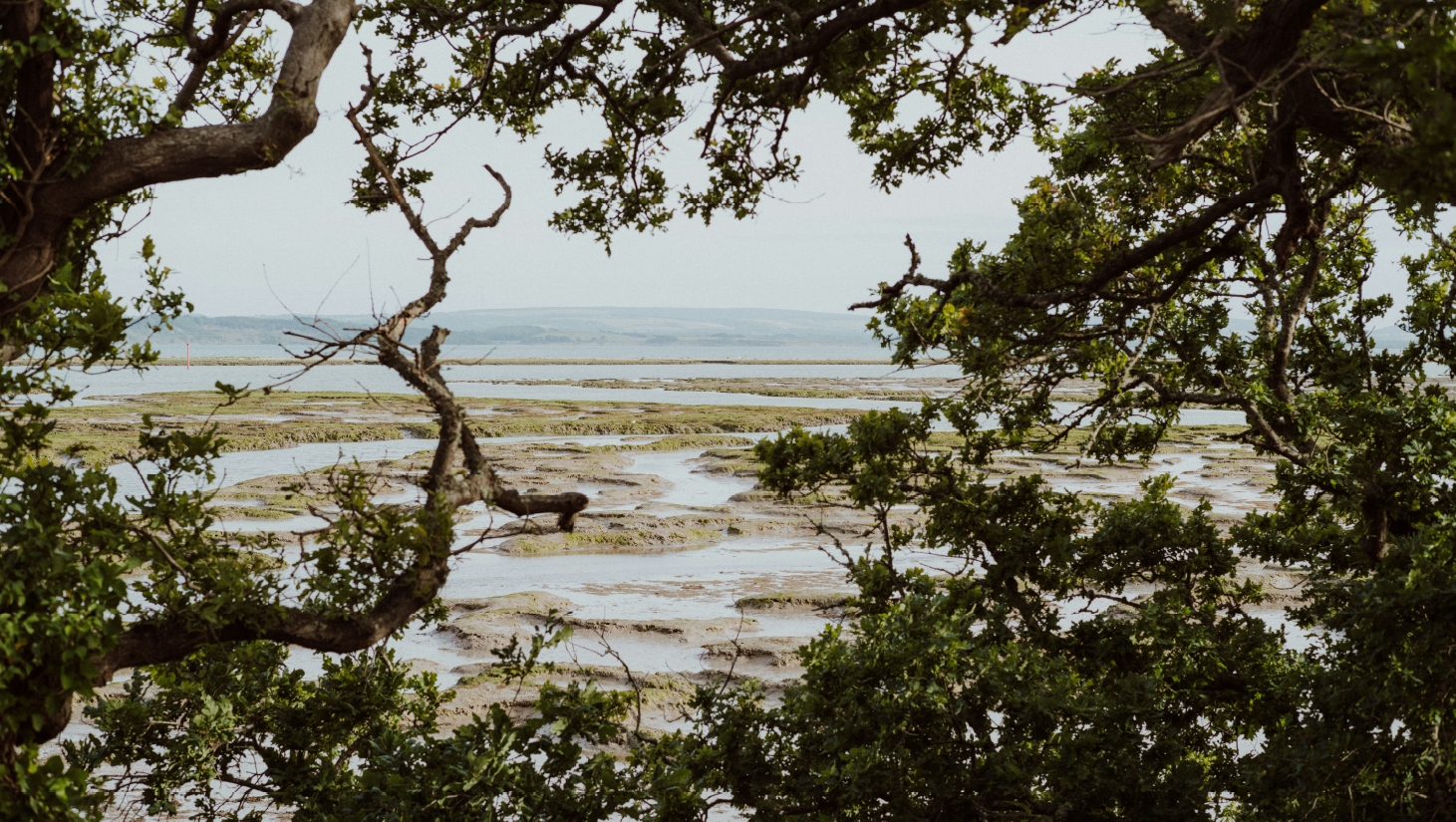
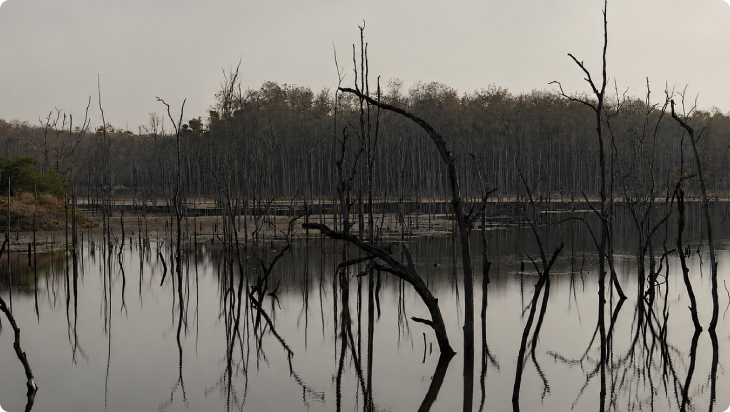
“Nothing escapes the maw of the tides”, said Amitav Ghosh in his luminous book The Hungry Tide, alluding to the Sunderban wetlands as being both a fierce creator and dissolver. See, wetlands refuse fixed boundaries. Water is not scenery; landscape is not backdrop; attention itself, and a sacred sense of awe and wonder, becomes an act of reverence.
Spiritual ecology recognizes that environmental protection is also a cultural, ethical, and spiritual responsibility. It asks how beliefs and sacred relationships with nature encourage conservation.
Wetlands are particularly important in this conversation because they are among the world’s most threatened ecosystems, despite being some of its most biologically and culturally rich. To understand the relationship between spiritual ecology and wetlands, it helps to begin with a simple idea: for much of our indigenous history, landscapes were not viewed as inert resources but as living entities imbued with spirit, memory, and sacred presence. Rivers were mothers, mountains were ancestors, forests were abodes of deities, and wetlands were often understood as liminal realms where water, earth, birds, animals, and human communities existed in delicate reciprocity. Wetlands are among the most ecologically vital and spiritually meaningful landscapes on Earth.
Across cultures, Indigenous communities developed practices that treated wetlands as relatives rather than resources.
In Botswana’s Okavango Delta, communities align fishing and settlement with seasonal floods, recognizing water as a living force. In the Mesopotamian Marshes of Iraq and Iran, reed-building and water-based traditions evolved around wetlands. In Kakadu, Australia, Aboriginal knowledge of wetlands is woven into ancestral Dreaming stories.
The Sundarbans in India is one of the world’s most extraordinary wetlands: a shifting tidal world of mangrove forests, mudflats, and estuarine channels, formed by the Ganges, Brahmaputra, and Meghna rivers. As the largest mangrove ecosystem on Earth, it is both ecologically dynamic and spiritually significant. Life here is shaped by uncertainty—land appears and disappears, rivers change course, and tides determine movement and labor. People negotiate with the landscape, entering with humility rather than seeking control.
At the heart of this spiritual ecology is Bonbibi, the guardian of forest and wetlands. She represents an ethical approach to nature—before entering the mangroves, locals offer prayers, acknowledging the forest’s agency and human limits. Opposing her, Dokkhin Rai (the tiger) warns against excess. The lesson is both ecological and spiritual: take only what you need and respect boundaries.

Conservation, then, is not only the protection of landscapes. It is the recovery of the relationship. The Vedas describe water (Apah) as life-giving and purifying. Ritual bathing, offerings to rivers, and seasonal festivals all acknowledge water as more than a commodity. Ancient settlements often developed around tanks, ponds, lakes, and marshlands. Temple tanks across India served simultaneously as water reservoirs, ecological habitats, ritual spaces, and community gathering sites. Even today, perhaps India’s most overlooked wetland heritage is its network of temple tanks. Water bodies were frequently regarded as ancestral territories inhabited by spirits and sacred guardians. They fostered collective stewardship of common resources–all of which arose from a spiritual understanding of reciprocity.
Spiritual ecology reminds us that people protect what they love, and they love what they feel connected to. Data can tell us that a wetland stores carbon or prevents flooding. Spiritual ecology asks a different question: How do we rebuild a relationship with these living waters so that conservation becomes an act of care rather than compliance? This is perhaps the deepest lesson of spiritual ecology: the health of a wetland is inseparable from the health of the culture that surrounds it.
“Water is the most beautiful of mirrors,” wrote Roger Deakin in Waterlog, his luminous meditation on immersion, landscape, and the quiet intelligence of water. Perhaps water—the lifeblood of wetlands—is more than an element; perhaps it is consciousness itself. And to borrow from Swami Vivekananda, our task is not to create truth but to polish the mirror through which it is revealed. In honouring the sacred intelligence of wetlands, we may begin to dissolve the illusion of our separateness and remember ourselves not as masters of the living world, but as participants in its ancient and continuous flow.