Cleopatra’s Nose, and the Stories We Tell About Beauty

By Ishani Singh · Published on 24 September 2026

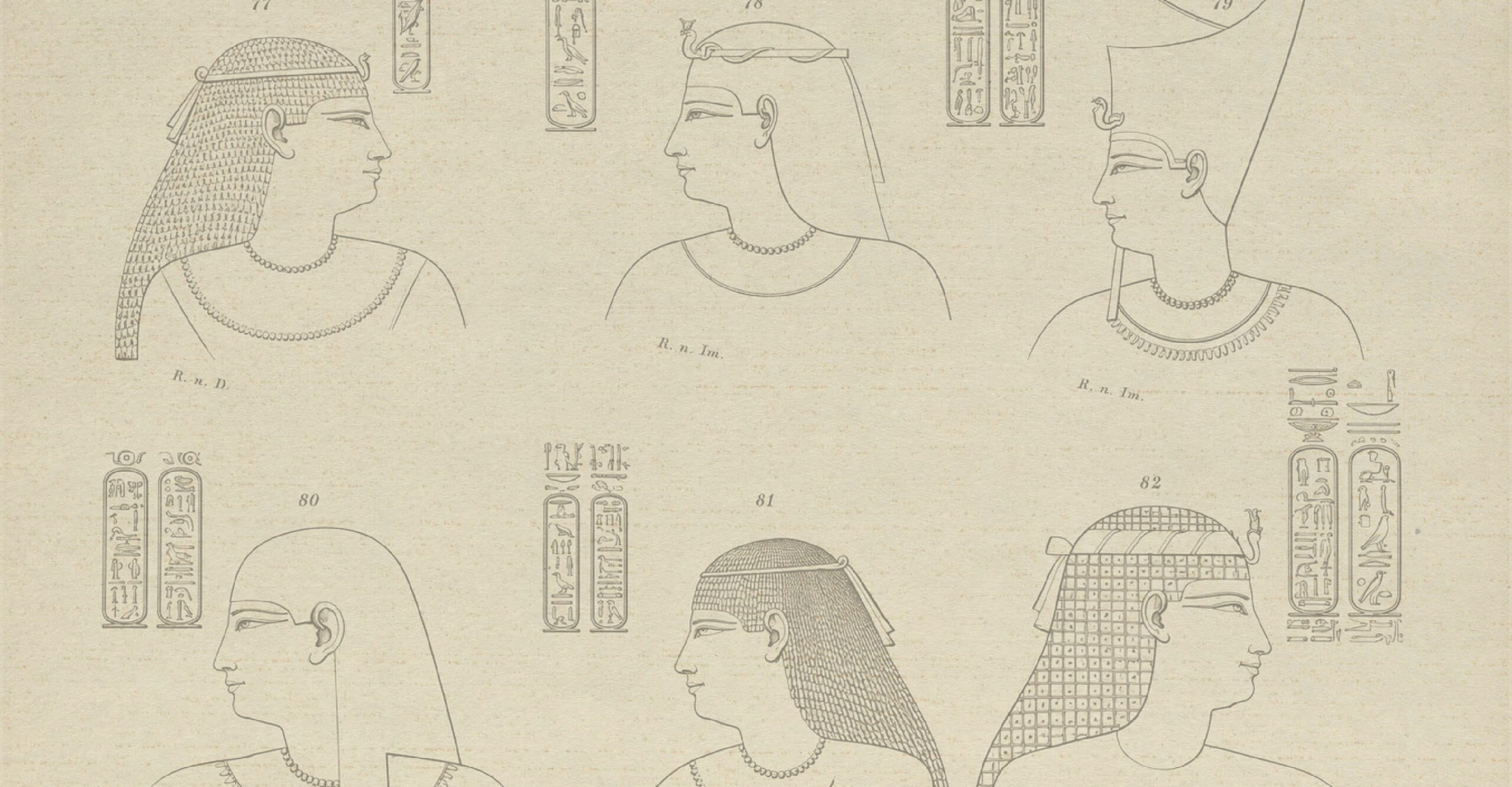
Historians still play a very old parlour game with Cleopatra: was she beautiful? Blaise Pascal thought her nose alone had rerouted the fate of empires—”had it been shorter, the whole face of the world would have been changed.” Hollywood settled the question with Elizabeth Taylor’s kohl-rimmed eyes. And when a bronze coin surfaced a few years ago showing the queen with a hooked nose and a jutting chin, newspapers reported it as a scandal, as though something had been discovered, never mind that every other surviving coin of her shows the same face.

The obsession says less about Cleopatra than about us. Our focus on her looks rather than her achievements reveals how cultural beauty standards dominate our view of history. Instead of her political skill, her language abilities, or her independence, we ask whether she was pretty—showing how beauty and power are deeply entangled throughout the history of beauty standards.

Ancient sources disagreed about Cleopatra’s looks. Plutarch downplayed her beauty, focusing on her intelligence and charm. Cassius Dio called her “surpassingly beautiful.” Roman poets, after her defeat, painted her as a dangerous “monster” or “harlot queen.” These conflicting portrayals reflect shifting beauty standards and the interplay between beauty and power across societies.

That portrayal was propaganda. Octavian needed to blame Cleopatra for Antony’s defeat, turning her intelligence into seduction. This pattern—reducing a woman’s power to her beauty—has a long history in how beauty standards have evolved.

Each era rewrote Cleopatra to match its own beauty ideals: Renaissance painters made her pale and blonde, Orientalists gave her “Eastern” features, and movies changed her face to sell tickets. Every generation claims to find the real Cleopatra, but really sees itself.

Which is the useful thing to sit with, if we’re interested in beauty as an idea rather than a verdict: it is rarely a fixed property of a face. It is a story a culture tells about a body it needs explained, usually a body it finds inconvenient, threatening, or simply female. Attach “beautiful” to a queen and her achievements become incidental, a fortunate accident of bone structure. Attach “monstrous” instead, and the same face becomes evidence of moral danger. Either way, the woman herself, her intellect, her languages, her twenty-one years spent holding Egypt together against Rome recedes behind the argument about her face.

Cleopatra wasn’t lost to history—she was buried under centuries of other people’s beauty standards.

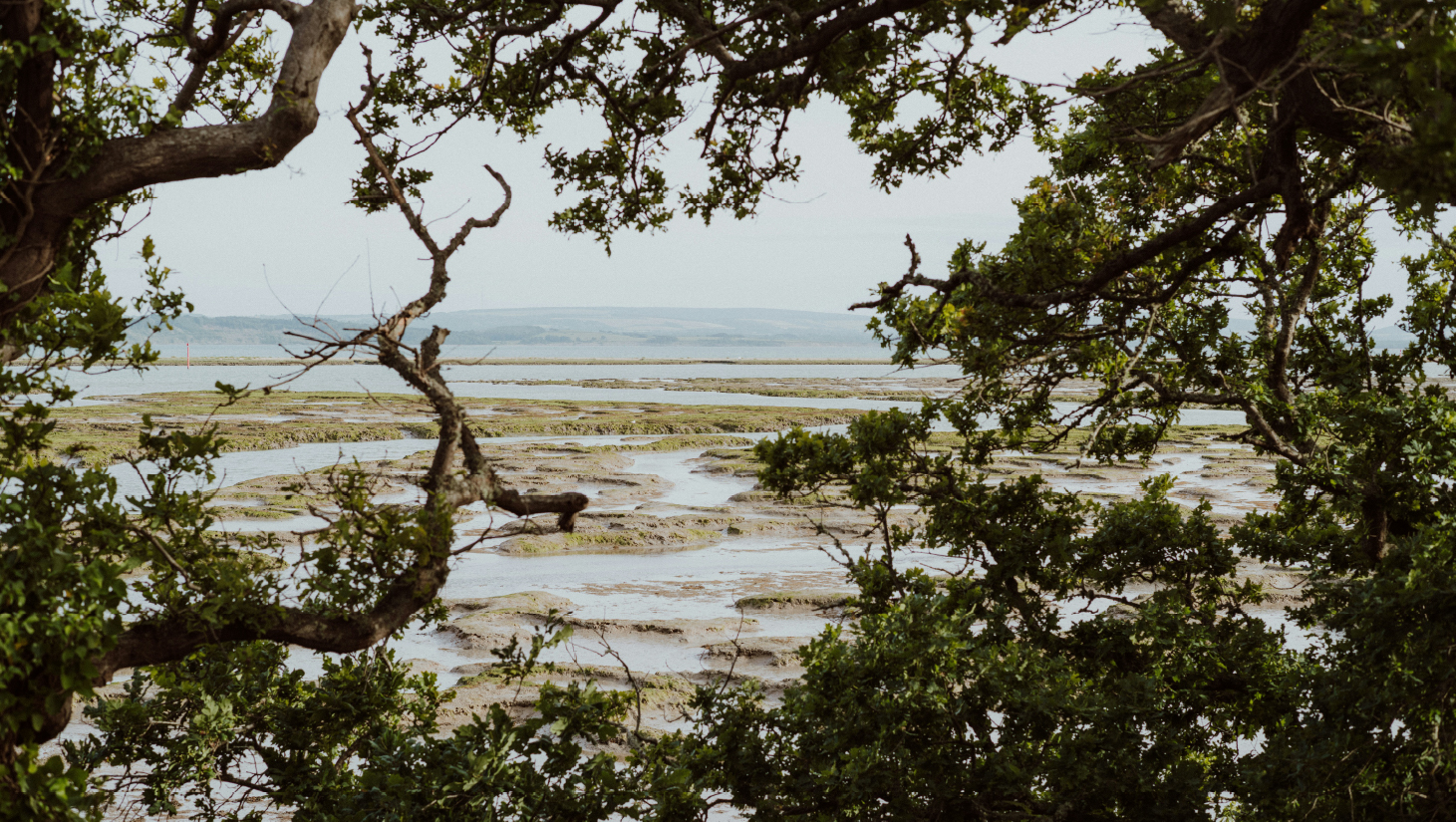
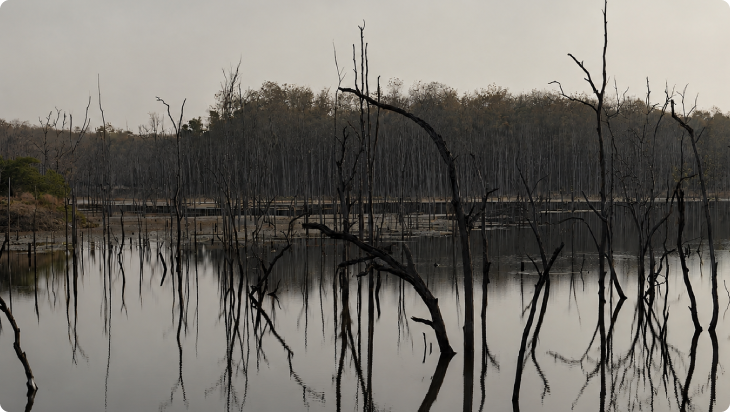
The same trick gets played on landscapes that got played on her. We call a manicured lawn or an English rose garden “beautiful” and a wetland or a scrubland “ugly” or “wasteland”, but that’s not a neutral aesthetic judgment; it’s a colonial one. British botanists arriving in India, Africa, and the Americas brought a specific idea of what “beautiful” nature looked like: ordered, cultivated, familiar, productive-looking. They used it to devalue what was actually there: old-growth forest reclassified as “unimproved,” native grasses as “weeds,” biodiverse marshland as something to be drained and tamed into usefulness. It’s the same move Octavian made with Cleopatra. Rename the thing you don’t understand or want to control as either ugly and monstrous, which justifies destroying it, or exotic and seductive, which justifies conquering it. In both cases, beauty is the language power uses to describe what it has already decided to take.

There’s also a fertility angle. We’re taught to see facial beauty as a sign of health, and lush landscapes as beautiful and fertile. But “ugly” wetlands often do more ecological work than manicured fields. Our aesthetic judgments rarely match real value.

Cleopatra’s story shows what happens when people reduce a woman’s power to her appearance. Nature’s story is similar: land’s true worth becomes just a matter of how it looks. In both cases, real power is ignored while everyone debates appearances.

Cleopatra’s Nose, and the Stories We Tell About Beauty

SACRED NARRATIVES

What The Water Remembers: Wetlands, Spiritual Ecology, and the Ancient Art of Belonging

SACRED NARRATIVES

Older Than Dinosaurs: Inside the Secret World of the Myristica Swamps

SACRED NARRATIVES