On a cold, rain-drenched day in April, we wandered through the narrow calli of Venice and found ourselves in the orbit of Judy Chicago.
Within her preparatory drawings for The Dinner Party, what first appears ornamental slowly reveals itself as something more elemental and deeply symbolic. Petals become wings. Wings become folds of flesh. The plate becomes a portal. At the centre of each form is an opening that is both bodily and cosmic: the vulva as threshold, the first passage through which all life enters the world.
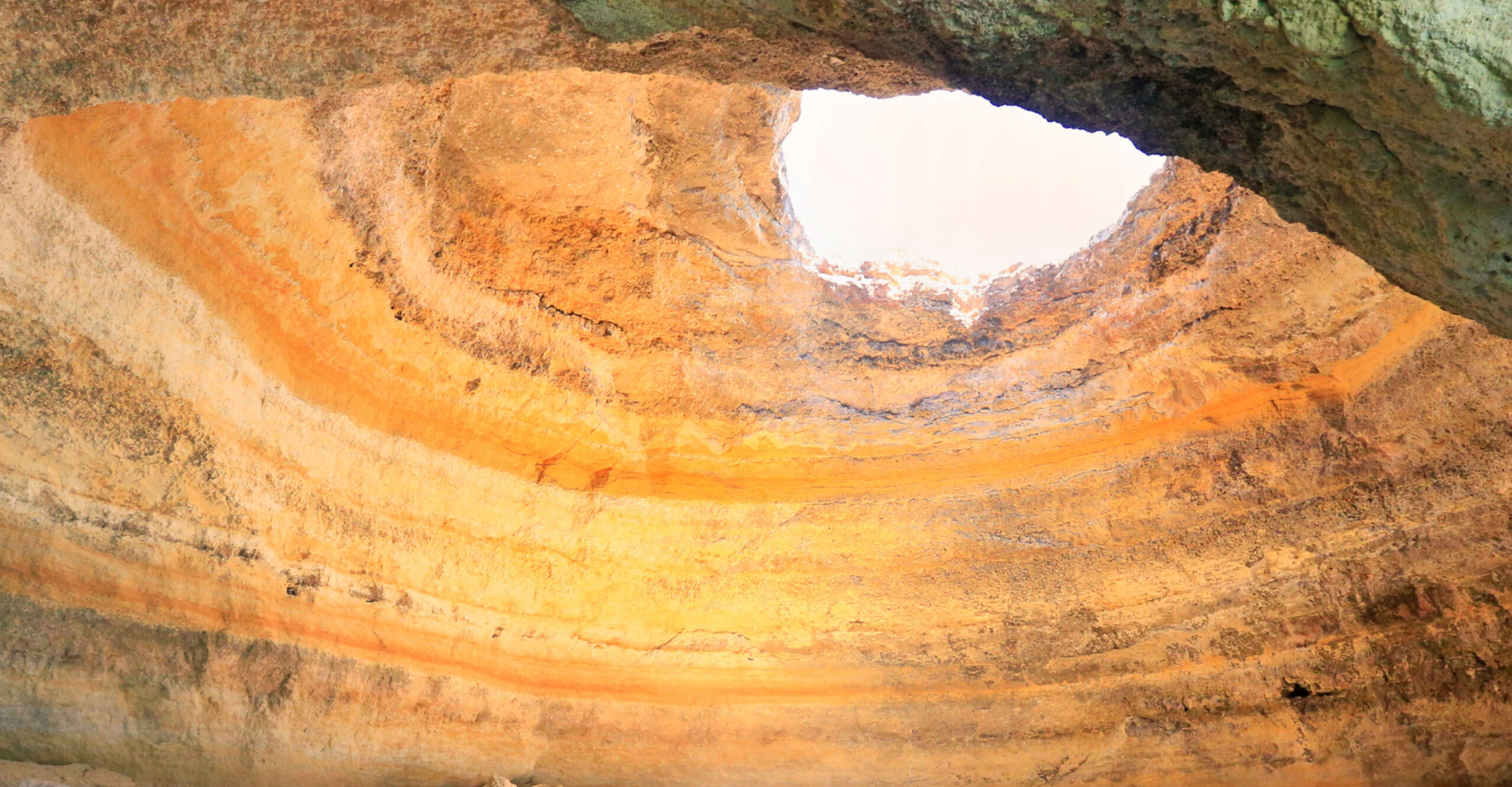
These radiant forms evoke the vesica piscis, the ancient geometry created when two circles overlap. It is neither one nor two, but the luminous space that emerges between them, the place where opposites meet and creation begins. A shape that holds singularity and duality, oneness and twoness.
Across cultures, the feminine has been understood as the generative intelligence that makes life possible.
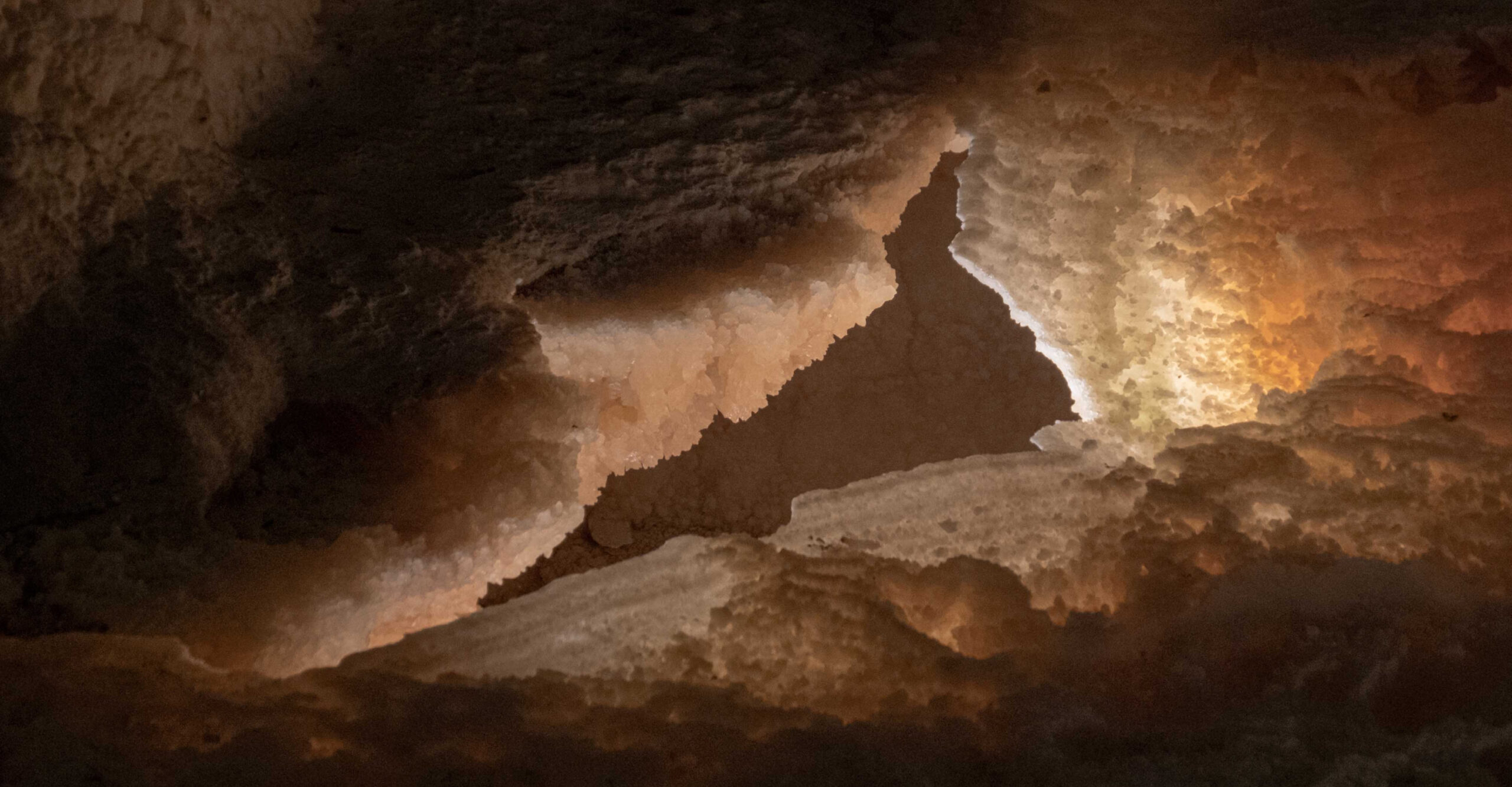
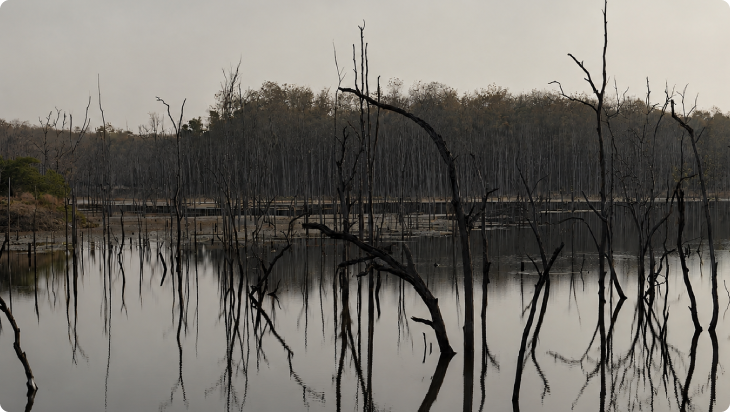
Not power as conquest, but power as containment, intuition, regeneration, and transformation. The womb is its most enduring symbol: a dark, unseen interior where matter gathers, dissolves, and is made anew. Wetlands, forests, caves, and sacred groves carry this same energetic charge. They are threshold ecologies: fertile, mysterious, and profoundly alive.
This charged interval lies at the heart of Aranyani.
Aranyani is shaped by the belief that reality is both singular and relational: one and many, self and other, nature and culture.
Oneness speaks to the underlying unity of all life. Twoness acknowledges the tension, contrast, and dialogue through which that unity becomes visible. The most vital truths do not reside at either pole, but in the threshold between them.
It is here, where forest meets clearing, where land becomes water, where the visible gives way to the unseen, that nature reveals itself not as backdrop, but as a living intelligence.
Around Chicago’s table sit women who each embody a different expression of this force. Petronella de Meath carries the memory of the persecuted woman whose knowledge was feared. Emily Dickinson made a universe from silence. Virginia Woolf moved through the porous boundaries of consciousness with a fluency that felt less like craft than instinct. Boudica embodied sovereign rage. Georgia O’Keeffe transformed petals and landscapes into intimate cosmologies. Behind them stand older archetypes still: Ishtar, Kali, and the primordial goddess from whom all creation flows.
Two circles meet. A third space opens.
Within that liminal interval, the sacred feminine reveals herself as the source of creation, transformation, and renewal. It is this ancient, generative energy, quiet and ferocious, that continues to animate Aranyani’s vision, reminding us that nature, like the feminine, is not passive matter but a powerful, living force through which life is continuously made anew.