Our pantry staples are more than food. They are touchstones of home, memory, and tradition. Ingredients like banana blossom, mud crab, and coastal seaweed were once everyday elements across the marshlands and fishing villages of India and Southeast Asia, shaped by tide, monsoon, and local knowledge rather than spectacle. Today, these same ingredients reappear in high-end gastronomy. Banana flowers grace tasting menus, mud crab is reimagined in metropolitan kitchens, and seaweed is now a marker of marine sophistication and ecological consciousness. Their return signals a yearning to recover sensory relationships once abandoned in pursuit of convenience and industrial abundance.
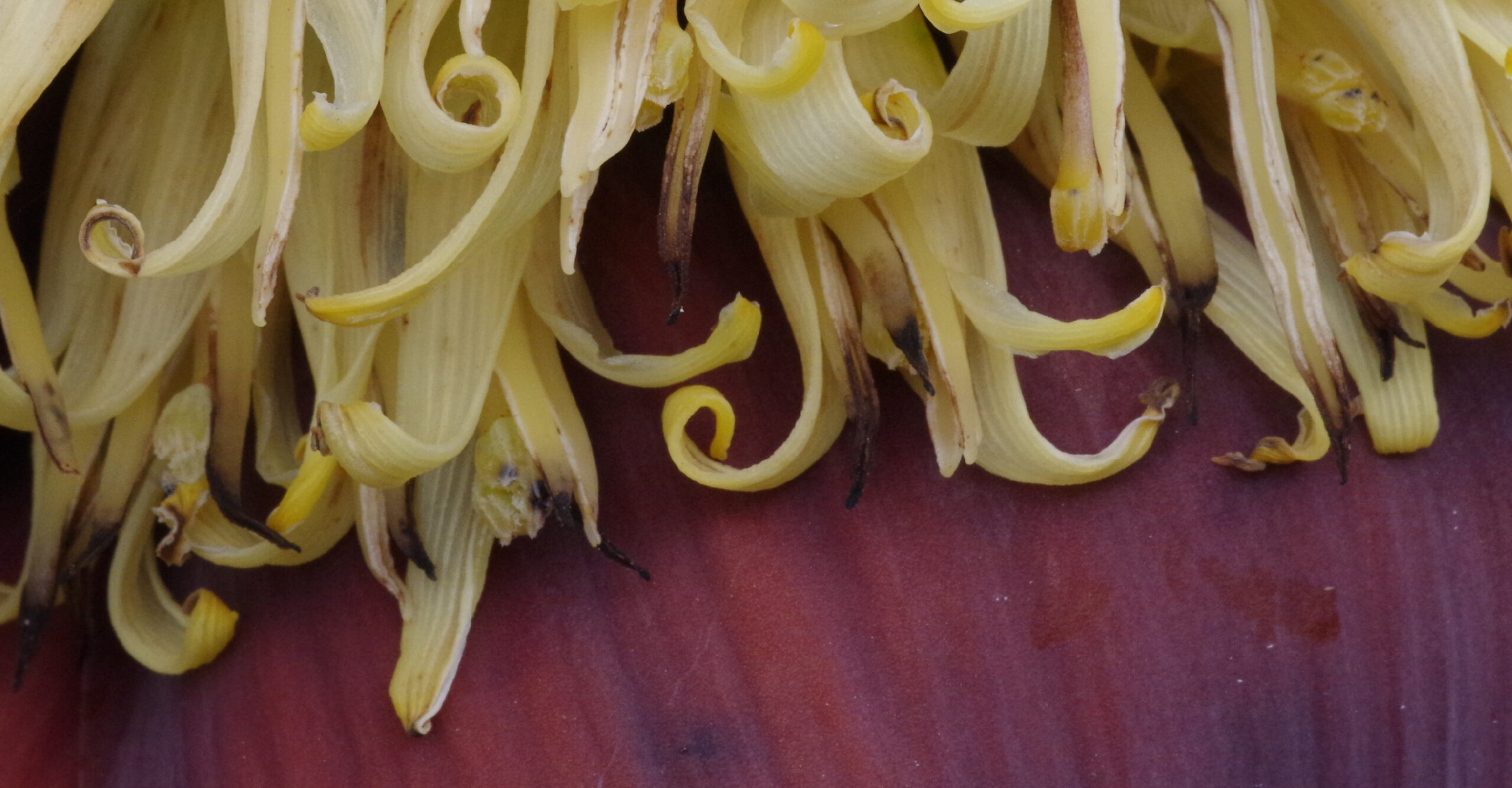
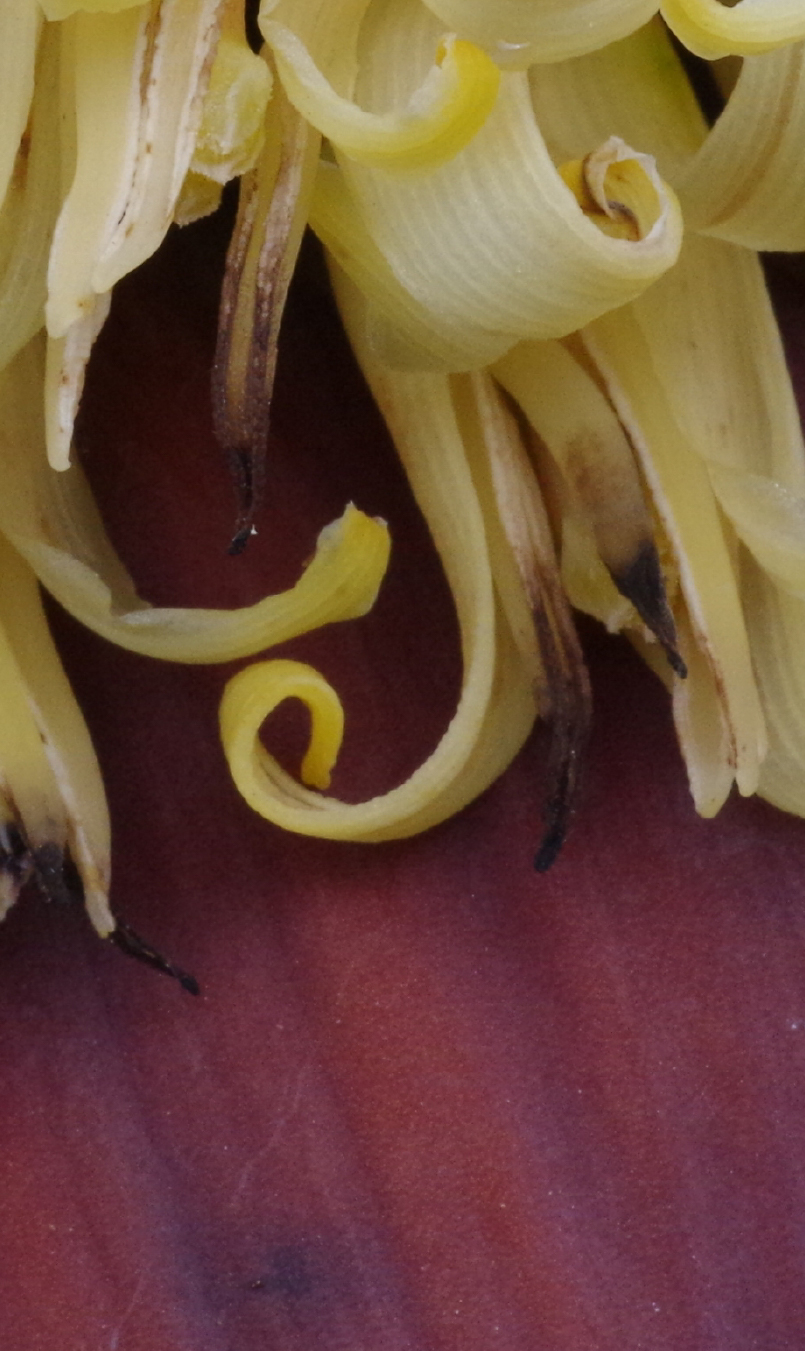
Take the banana blossom, known in South India as vazhaipoo and in Thailand as hua plee. Its preparation is painstaking, each blossom dismantled by hand. Once an everyday presence, it is now both a culinary prize and a symbol of ecological paradox. Traditionally, banana blossoms featured in curries, salads, and medicinal preparations believed to cool the body. The blossom is often a byproduct of fruit cultivation, balancing nourishment with sustainability.
Yet in an age of water scarcity and agricultural strain, what was once subsistence risk is becoming an extractive luxury in fine dining. The banana tree holds sacred significance across India and Southeast Asia. “The Indian subcontinent has seen a special kind of exchange via numerous seafarers and invasions. The sea route was the spice route, and it continues to evolve today,” says heritage preservationist Umang Hutheesing. He adds, “Society today continues to romanticise indigenous foods and different cultures, yet we are becoming more homogenous as a species. Avocado was never on my breakfast table, and today it’s a part of my diet even in a remote land like Kashmir.”
Mud crab, too, embodies local ingenuity. Emerging from the mangrove wetlands of the Sundarbans and Konkan coast, it was once a staple for coastal communities, its flavour a tribute to tidal ecosystems. Now, mud crab is coveted by luxury Asian restaurants. “We cook trout over charcoal and pair it with fermented chilli oil and indigenous herbs to create a dish that feels both rooted and contemporary. Water chestnuts are used in broths and pasta stuffings for their subtle sweetness and crisp texture. We have also explored wild rice harvested from wetland regions in modern tasting-menu formats,” says Chef Julia of New Delhi’s Tres.
But this elevation has a cost. Mangrove ecosystems are among the world’s most fragile, acting as shields against cyclones and erosion. “Responsible gastronomy means recognising that ingredients are living commodities and living ecosystems,” Chef Julia notes.
In coastal folklore, mud crab symbolised resilience and adaptation, emerging from tidal mud and bridging land and sea, stability and movement. Seaweed and kelp, long harvested in Tamil Nadu and Gujarat for broths and medicine, were for centuries invisible in elite cuisine. Now, seaweed is celebrated on avant-garde menus from Copenhagen to Mumbai, prized for umami and sustainability, yet long overlooked by urban modernity. Their resurgence reflects a broader yearning to rediscover authenticity through forgotten foodways. Marshlands are now seen as repositories of biodiversity and culinary possibilities.
But rediscovery is not necessarily remembrance.