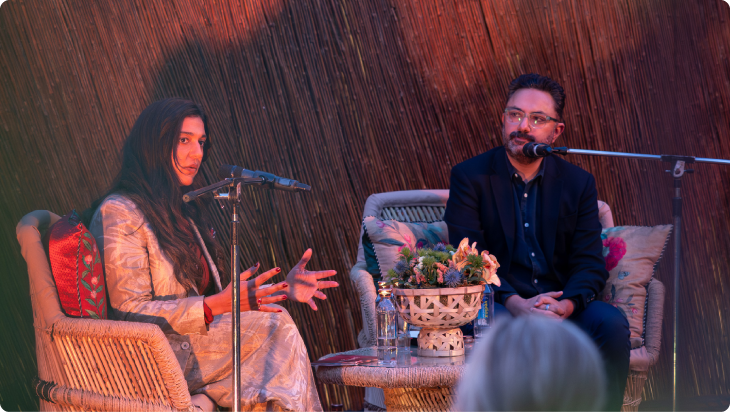
Slow Living as Rebellion: Dr Vandana Shiva’s Case for Going Back to the Basics in an Over-Scheduled World

Published on 20 August, 2026

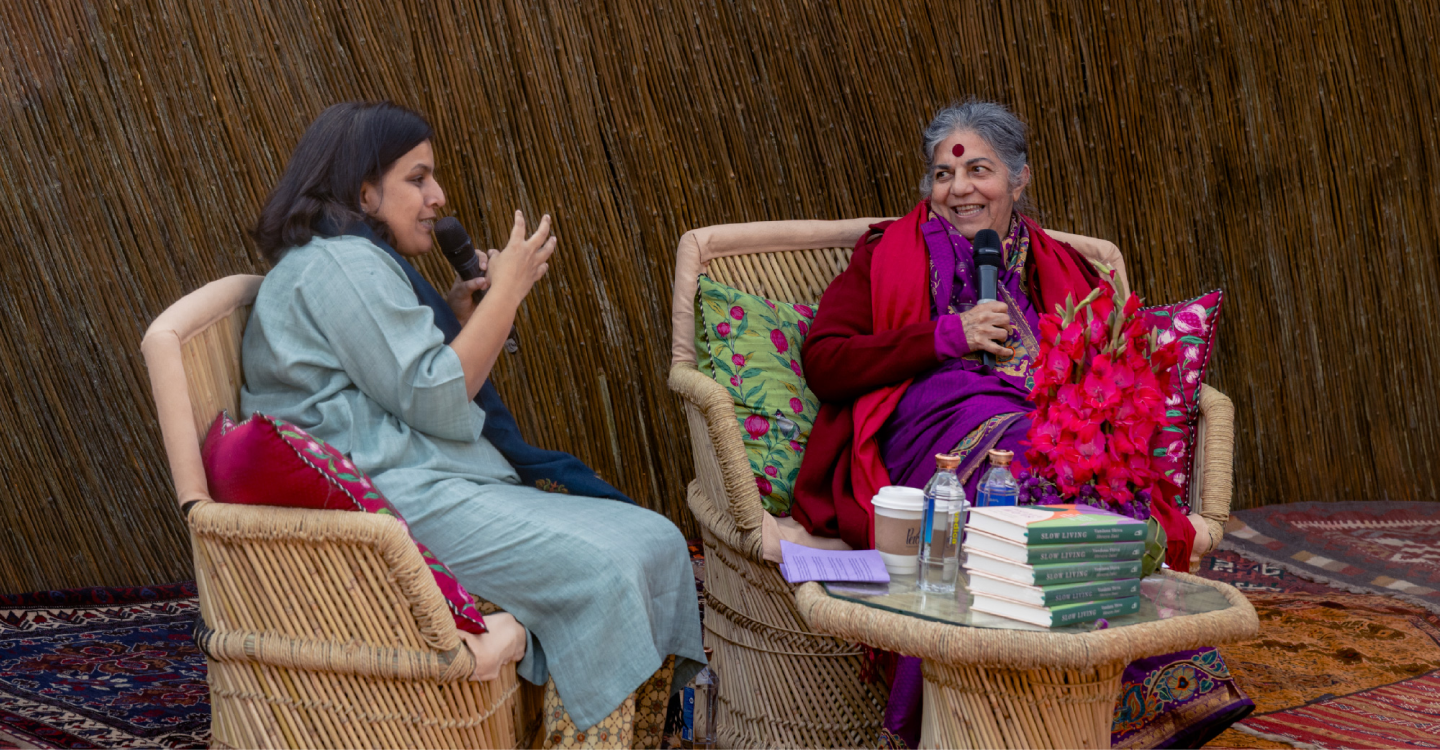
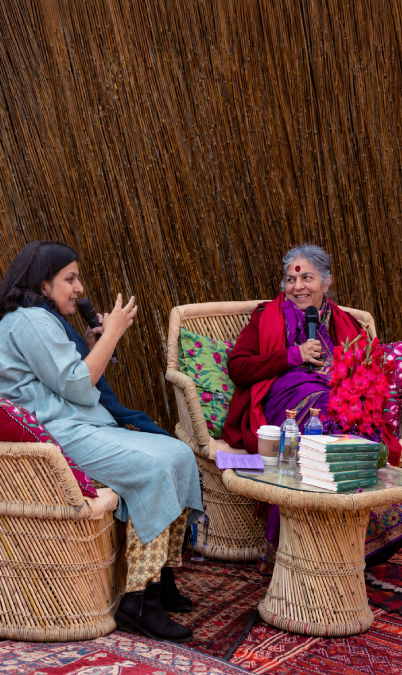
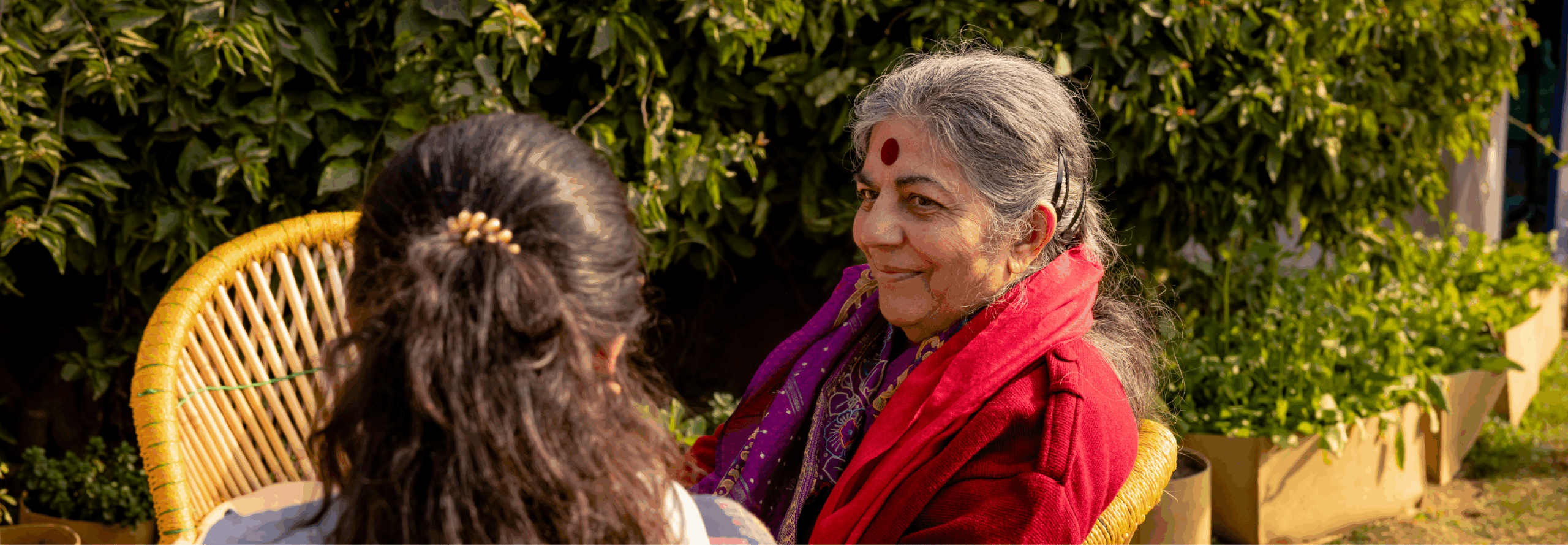
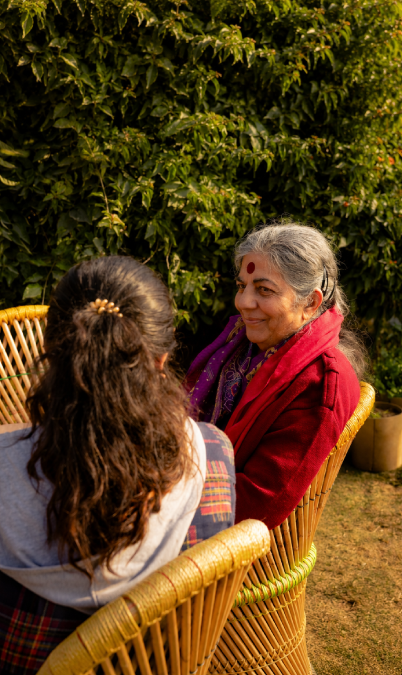
In a world where life moves relentlessly fast and technology dictates our rhythms, slow living can feel almost revolutionary. Dr. Vandana Shiva—renowned thinker and activist—and her collaborator Shreya Jani, in their book Slow Living, explore how a deliberate, mindful pace can help us reconnect with the land and offer ethical responses to today’s environmental and social anxieties.

The following is a restructured narrative inspired by their discussion, free from the question-and-answer format to invite a more immersive reading experience.

Jani describes our era as the new ICE age—information, communication, and entertainment—where relentless speed breeds anxiety and disconnection. Slow Living was born in the pandemic’s uncertainty, designed to anchor hope and resilience. The book resists linearity, inviting readers to pause, reflect, and rediscover the persistence of nature’s balance, even in adversity.

The book itself is a product of ‘slow publishing,’ conceived as the world ground to a halt and nature began to heal. Dr. Shiva points to the dolphins returning to the Ganges and distant Himalayan peaks reappearing as reminders of nature’s power when human activity slows. The pandemic, she reflects, revealed the fragility of human dominance.

Shiva’s ecological awakening began in her student days, witnessing native trees replaced by fast-growing eucalyptus. Although lucrative, eucalyptus proved ecologically harmful—its oil depletes soil and water, disrupts local livelihoods, and embodies the pitfalls of prioritizing speed and profit over community and ecology.

Shreya Jani describes how, in Dr. Shiva’s approach, even the act of observing a single tree becomes a window into the entire ecosystem—revealing a world now driven by fast consumption and quick fixes, often blind to the deeper consequences for society and the environment. Slow Living pays homage to the many movements that have shaped this dialogue, drawing threads between past wisdom and present challenges. Reflecting further, Jani invites a meditation on the symbolic power of the charkha—once used by Gandhi—asking what its modern equivalent could be in an age defined by speed.

For Shiva, slowness is the modern charkha—a meditative practice that grounds people in presence and care, much like the farmers who spin khadi by hand. This slow, focused work is an antidote to the distractions and haste of contemporary life.

She notes that the vocabulary of speed—‘fast food,’ ‘smart cities’—has no roots in our traditions. True quality, like handmade fabric, comes from patient craft, not machines. As the climate crisis deepens, the vital question becomes how well we live, not how fast.

Jani’s early encounters at Navdanya’s Earth University and her documentary work in Delhi exposed her to wisdom from elders: “Things are thieves of time,” and every choice—whether for speed or slowness—shapes the world we create.


Another memory surfaces for Jani: traveling to Guptakashi at Dr. Shiva’s urging to visit seed banks. The last village was inaccessible by road, requiring a steep climb. By evening, she sat with an elderly grandmother and asked about the absence of men in the village. The grandmother pointed to a cedar tree and explained, "They left when the road came, all to buy soap." In that brief remark, Jani grasped more about the complexities of development than any theory could convey.

In a world plagued by anxiety and impossible standards, slowness offers a path to self-acceptance and well-being. Success, for Shiva and Jani, is measured not by speed but by presence and sustainability.

Dr. Shiva reflects that the discovery of slow success is not marked by a single revelation, but by many sources of learning—from the Indian freedom movement to lessons passed down by parents. She advocates for applying slowness to all aspects of life, urging a shift in focus from speed to the richness and space that slowness can create.

Jani notes that speed erodes relationships and joy. She shares Shiva’s suggestion to revive communal meals—hosting simple rasam and khichdi parties—transforming slow food into a celebration of togetherness.

Slowness is woven into India’s history. Organic farming, rooted in patient practice, became a model for the world—championed by Sir Albert Howard, who learned from Indian farmers. Shiva contrasts this with the short-sighted chemical revolution, arguing that millennia of organic wisdom cannot be erased.

Shiva critiques the modern obsession with growth, which often privatizes public goods and commodifies the uncommodifiable. She cites Bhutan’s pursuit of Gross National Happiness as a refreshing alternative, and Jani reminds us that indigenous wisdom is not just ancient—it is the future, essential for survival.

Shiva notes that only a small fraction of consumer spending reaches farmers. The solution, she argues, is to reconnect urban consumers with organic growers, revaluing the agrarian tradition that has sustained India.

Slow Living is not about doing less, but about doing differently—living with intention, care, and an eye on the future. For Shiva and Jani, the wisdom of slow, organic practice is our best hope for a resilient world.

India’s New Ecological Leadership: Women at the Forefront

IN CONVERSATION

What Colonialism Can Teach Us About the Climate Crisis: Sathnam Sanghera, in Conversation with Tara Lal

IN CONVERSATION

Inside the Aranyani Pavilion: Meet the Architects

IN CONVERSATION