Sacred Feminine

The story behind our name: Who is Aranyani?

WORDS

Tara Lal & Ishani Singh

There’s a story behind our name—and like most stories we’re drawn to, it starts with something ancient, almost forgotten.

Aranyani comes from aranya, the Sanskrit word for “forest.” But more than that, it’s the name of a little-known Vedic goddess. She’s not prominent in the way Durga or Saraswati are. In fact, she appears only briefly in a single hymn in the Rig Veda, one of the oldest texts in Indian literature. That hymn, known as the Aranyani Sukhtam, paints a quiet but powerful portrait of her: a solitary figure who roams the forest freely, her anklets ringing softly as she moves unseen. She’s fearless, nurturing, and deeply connected to the rhythms of nature.


The Devi Sukta, found in Rigveda hymn 10.125, celebrates the goddess tradition within Hinduism. Quoted in the Devi Mahatmya, it is traditionally recited each year during the Durga Puja festival.

Our founder, Tara Lal, came across Aranyani almost by accident. She was exploring the story of Kalpavriksha—the Tree of Life from the Samudra Manthan, a cosmic churning from Hindu mythology—when she discovered Aranyani’s name. Some believe she is the protector of Kalpavriksha, the one who watches over the tree said to grant all that is asked of it. That connection, between a forgotten goddess and the sacred ecology of ancient stories, sparked something. Tara started digging deeper, and what she found was both intriguing and a little heartbreaking: aside from one temple in Bihar where she’s worshipped as Aranya Devi, Aranyani has largely disappeared from our collective memory.

And yet, her symbolism felt deeply relevant.

Depiction of a tree– beside the God of Water (bottom centre)– possibly kalpavriksha, that emerged during the Samudra Manthana. Also depicted is Parijata, beside Lakshmi.

She represents balance—the fierce and the gentle, the visible and the unseen.

She gives freely, yet asks for nothing. She’s both myth and metaphor: a reminder of the wild feminine, of the wisdom found in nature, and of the way things once were: when forests were sacred and our relationship with the land was reciprocal, not extractive.

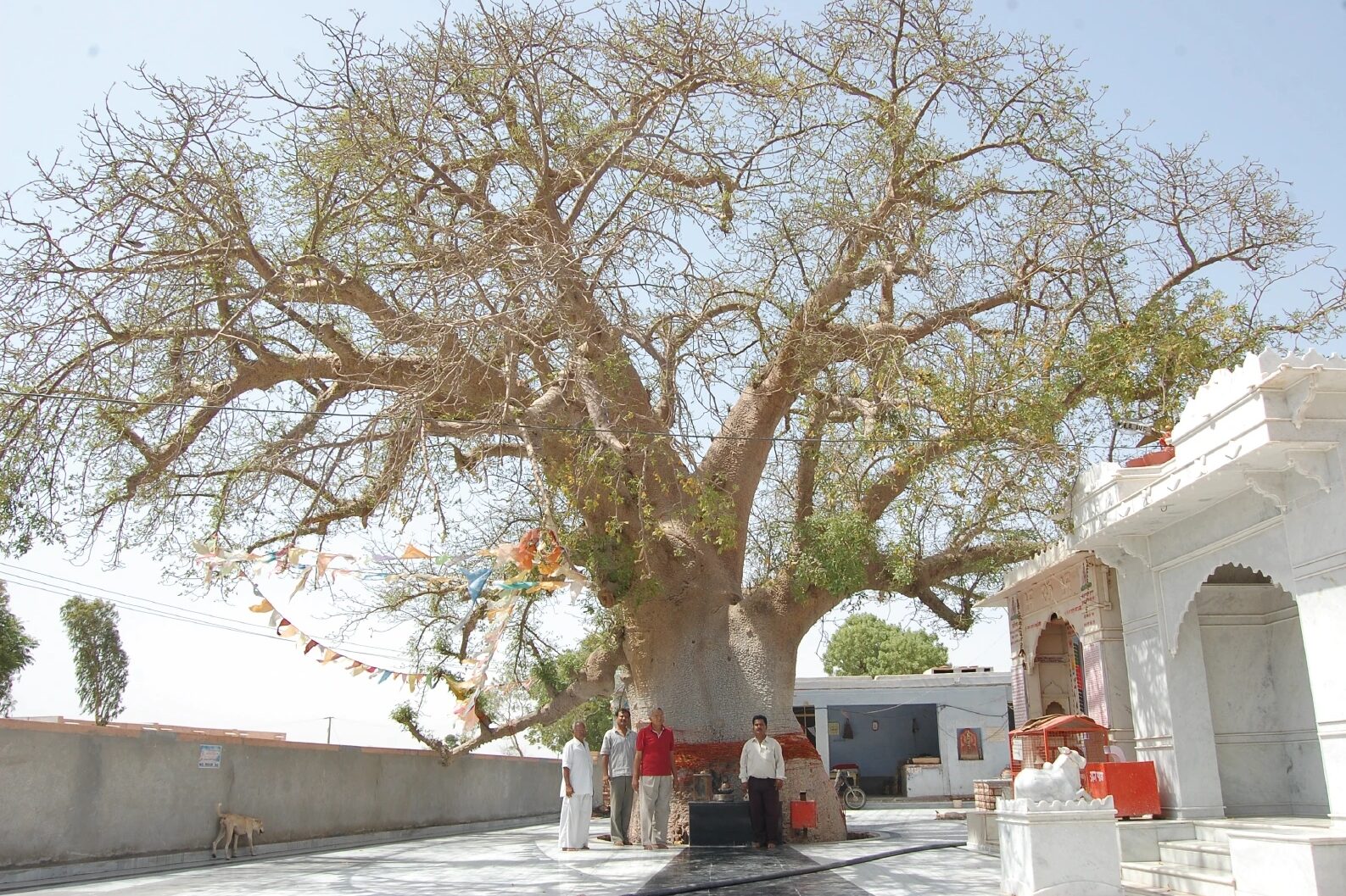
Kalpavriksha Tree at Bilara, Rajasthan

So when it came time to name this platform, Aranyani felt right. Not just as a nod to mythology, but as a commitment to the values we want to honour: reverence for nature, curiosity about the forgotten, and a deep respect for stories that still have something to teach us.

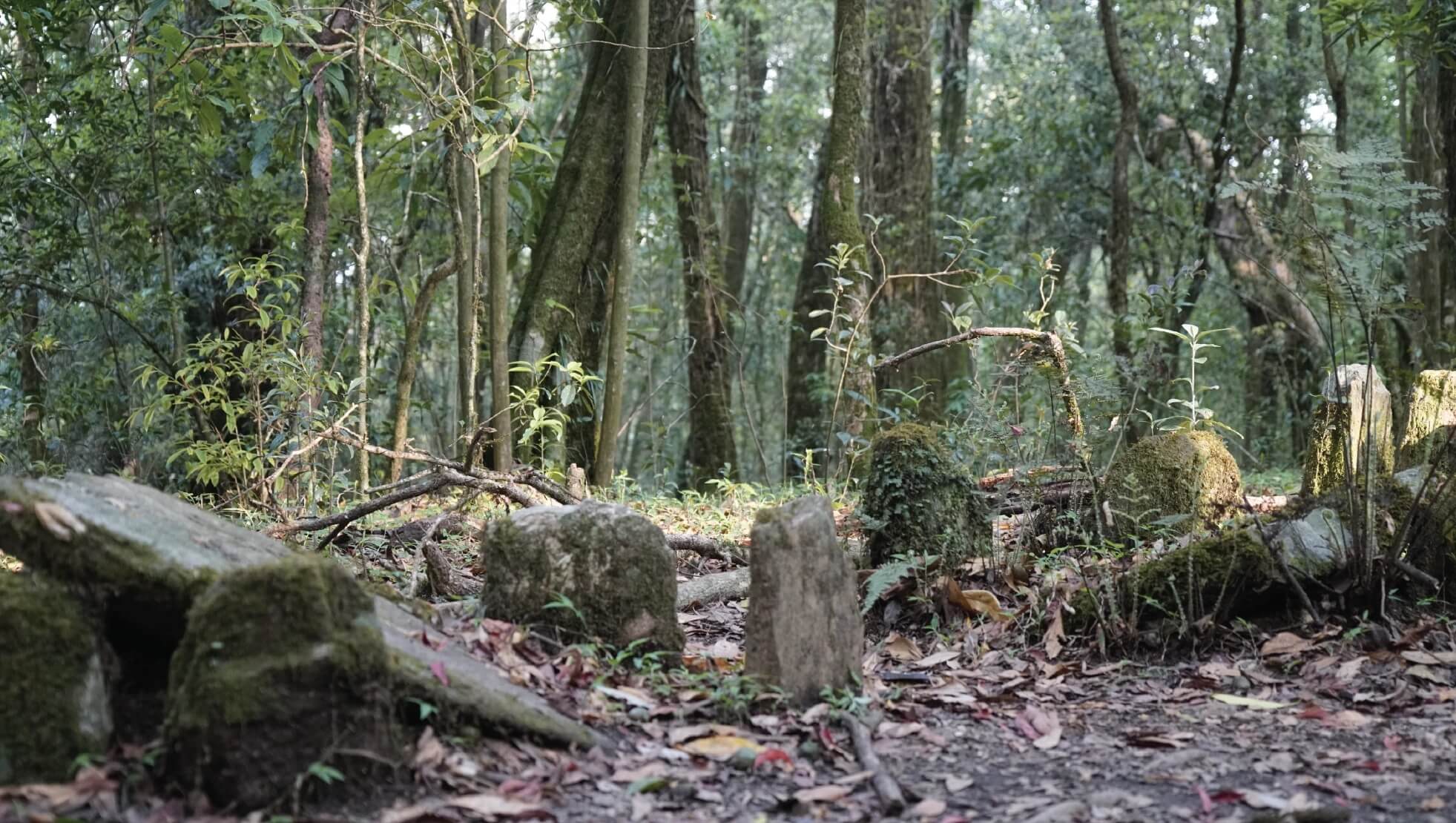
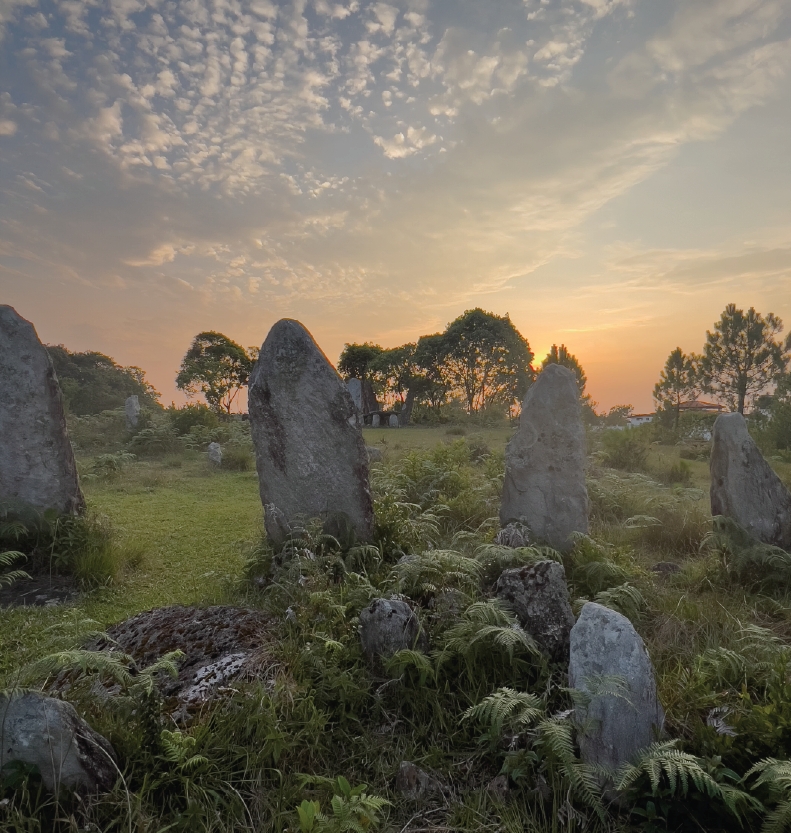
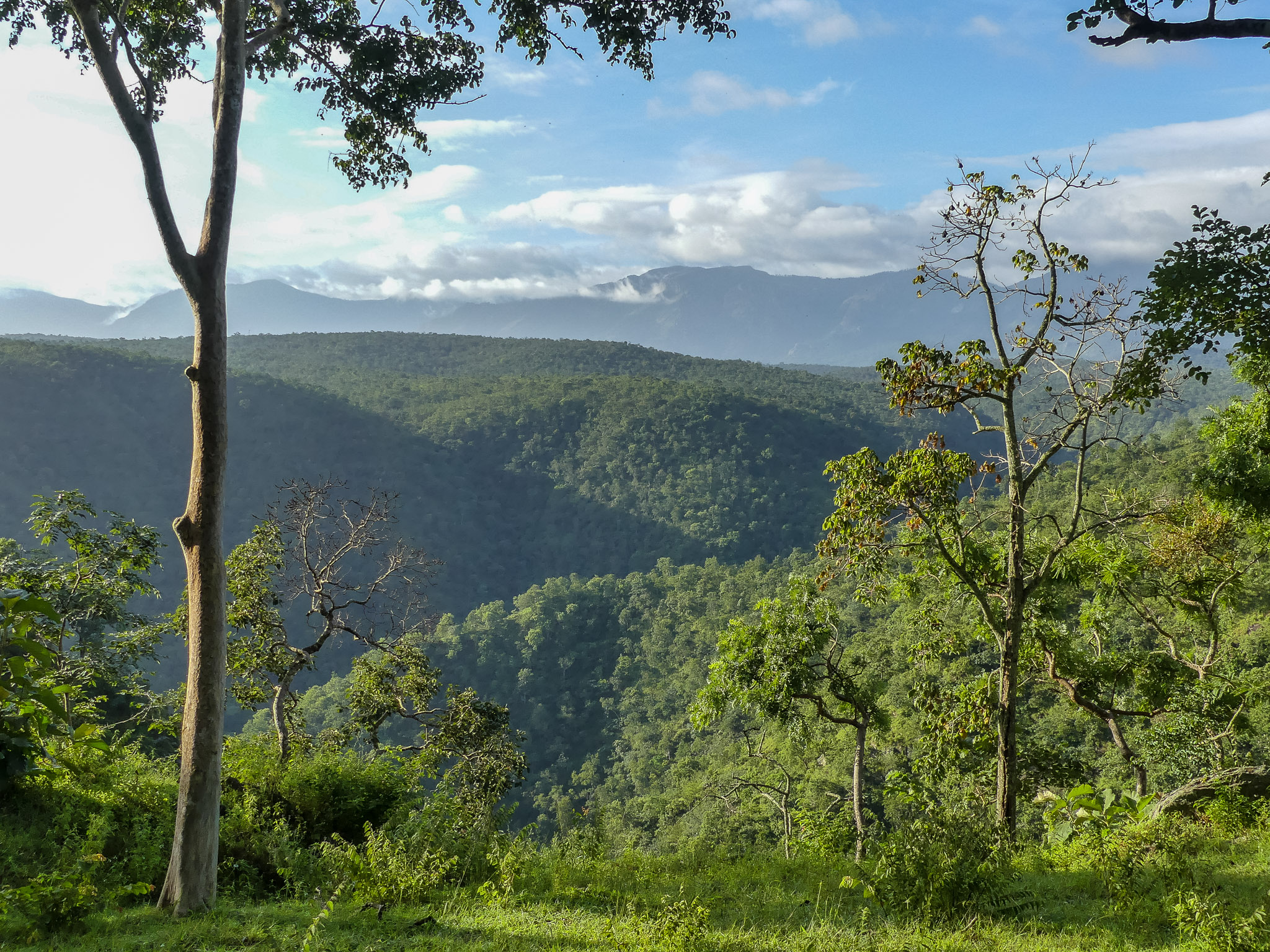
Sacred Grove in Mawphlang, Meghalaya

Photo credit: Aradhana Seth

She may be elusive in the texts, but her presence is unmistakable once you know where to look: in the quiet of the woods, in the rustle of trees, and in the feeling that the natural world is alive with memory and meaning.

That’s the spirit behind our name. And that’s the story we’re honoured to carry forward.

KEEP READING

Inside the Aranyani Pavilion: Meet the Architects

ARANYANI PAVILION

From Introduction To Invasion: How Non-Native Plants Took Root In India’s Ecosystems

SACRED EARTH

Restoring The Earth’s Memory: The Decolonisation of Nature

SACRED EARTH