The Nile: A River Made of Stories. And Why Its Story Still Speaks to Us
WORDS
Ishani Singh
PUBLISHED
May 23, 2025
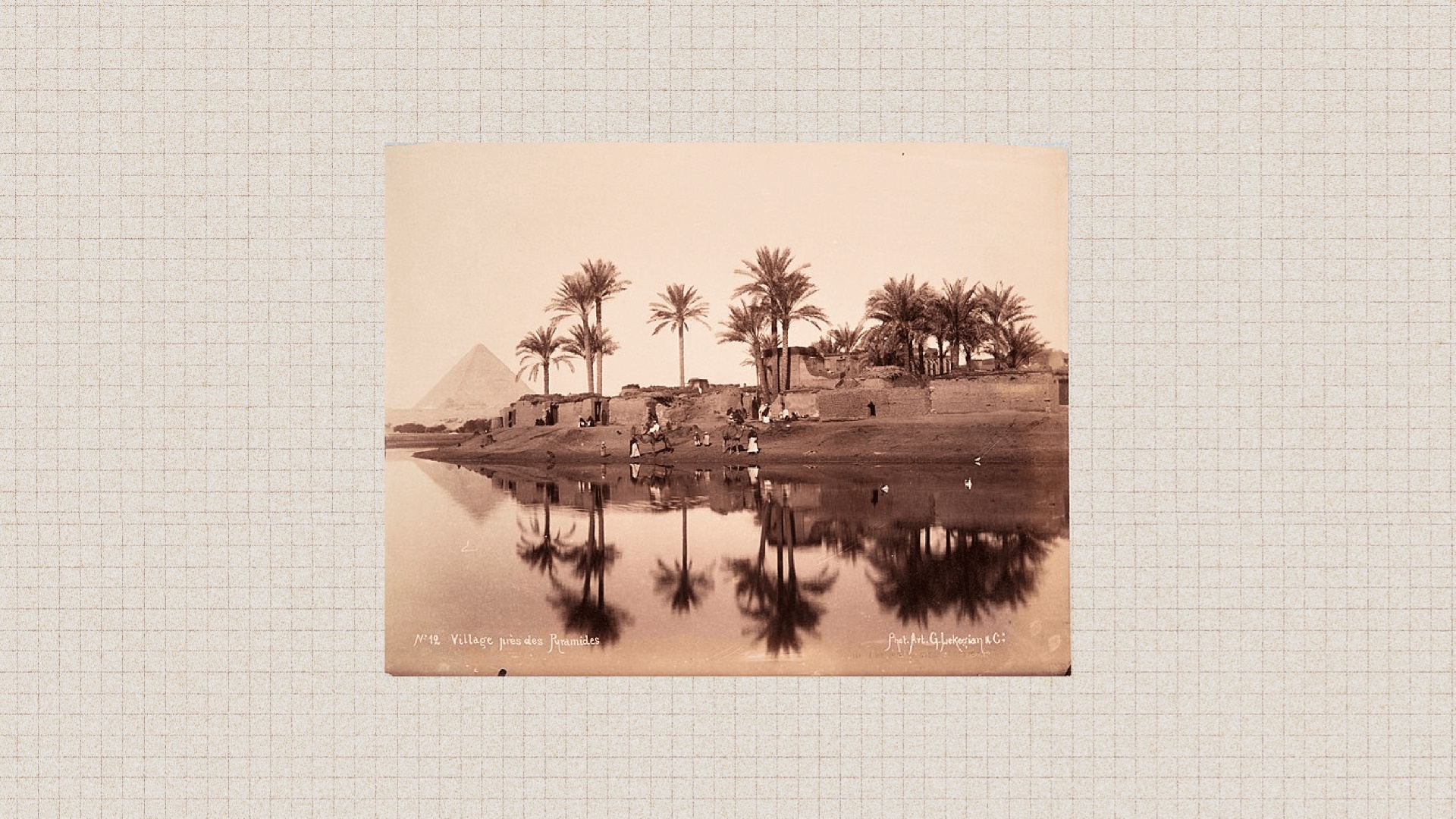
I’ve never stood by the Nile, but the more I read about it, the more I feel its pull—like a half-remembered story carried through time. It’s not just the river’s scale or its role in birthing civilization that captivates me. It’s how the ancient Egyptians lived in rhythm with it—not through control, but through relationship. Not above it. Not despite it.
The people of the Nile trusted the floods, even when they brought chaos, because they had a story for what came next: a god, a cycle, a reason. That kind of relationship doesn’t come from control, but rather from attention, repetition, and myth.
Stories shaped reverence. Reverence shaped relationships. And relationships shaped civilization.
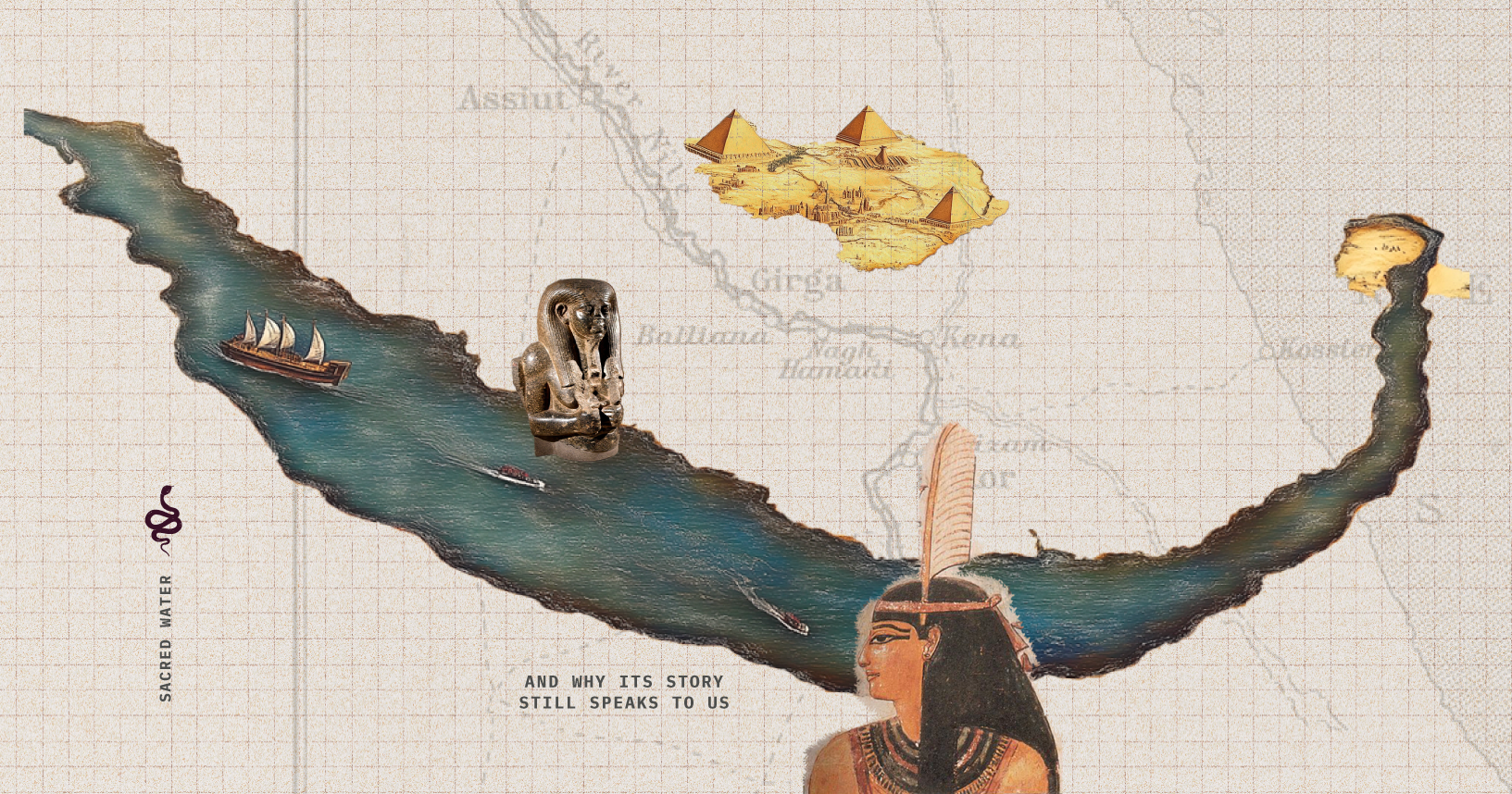
The Nile wasn’t just a source of life—it was the spine of their world. They didn’t merely depend on it; they wove it into their cosmology. The river held stories, gods, and time itself. It reminds us: rivers have never been just water. They are memory, myth, and mirror.
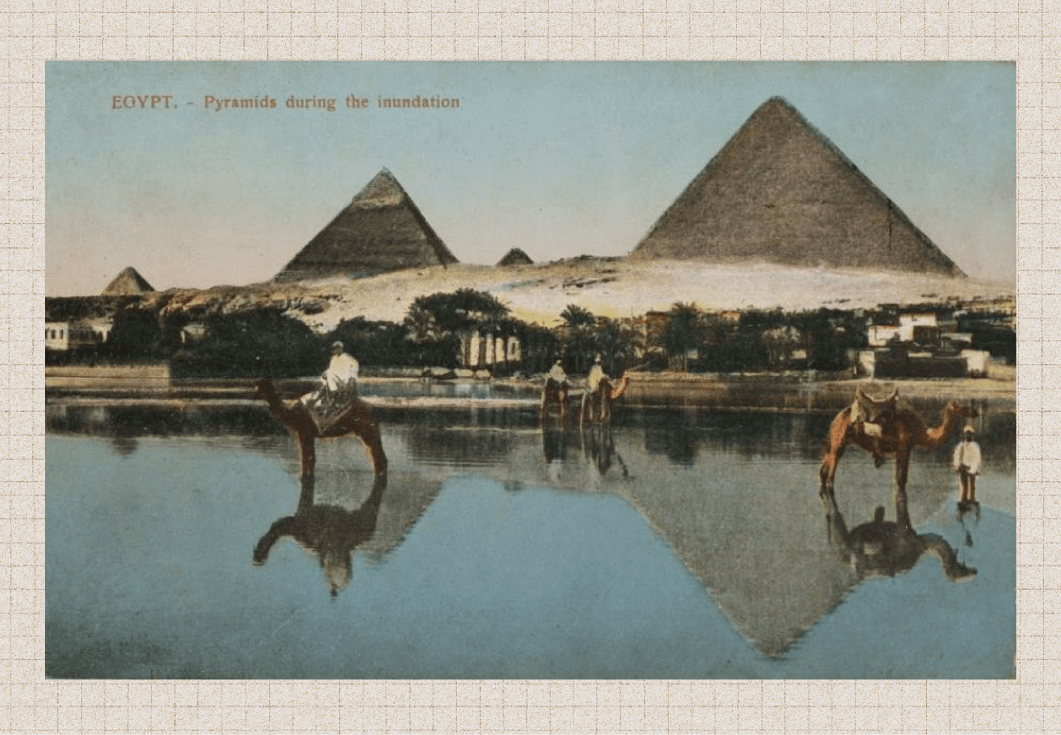
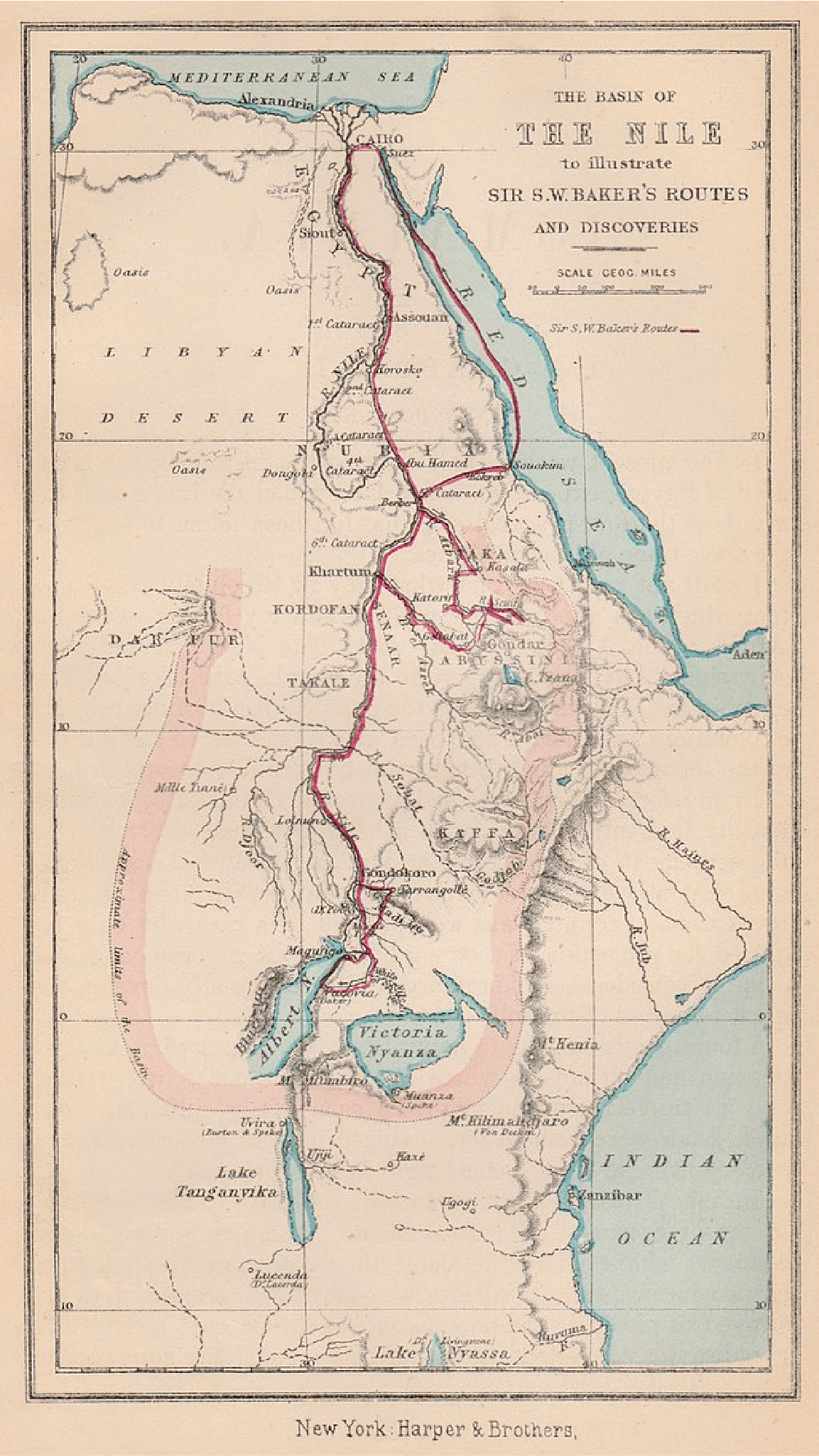
The Egyptians called it Iteru—“the River.” As though it needed no other name. It rose every year in July, like clockwork, flooding the land with black silt. It turned desert into harvest. It made wheat, flax, and papyrus grow. And the people, in return, gave it stories.
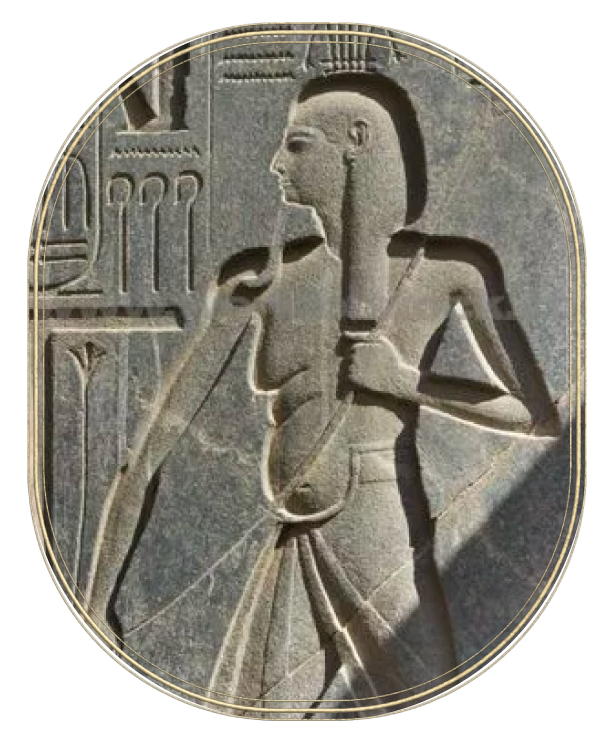
At the heart of these stories stood Hapi, the god of the flood, who was round-bellied and kind, with flowing blue-green hair like water itself. When the floodwaters rose, it was said that Hapi had been generous. When they failed, fear followed. His inundation meant life or death.
HAPI
GOD OF THE FLOOD
MA'AT
GODDESS OF BALANCE & TRUTH
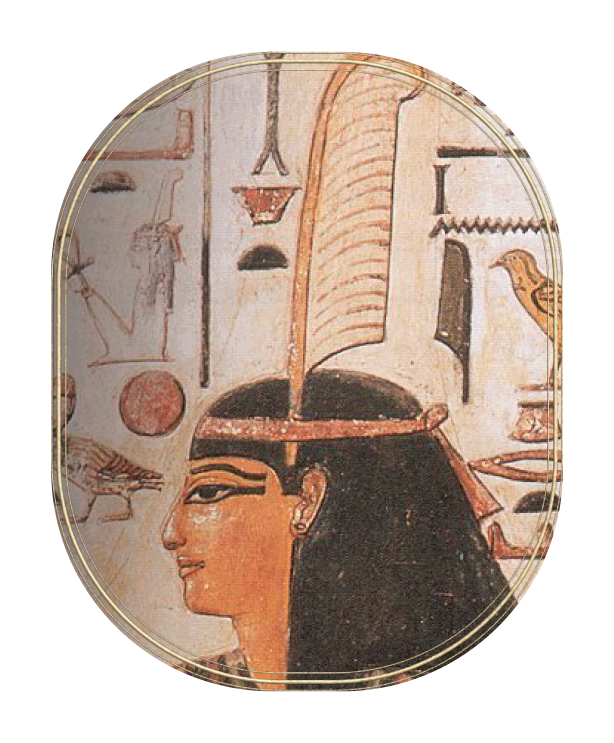
The river’s steady, dependable flow was also seen as an expression of Ma’at, the goddess of balance and truth. Her presence brought cosmic order not just to the heavens, but to the river, the harvest, and the kingdom. If the Nile misbehaved, if the flood came too high or too low, it wasn’t just a natural disaster. It was a rupture in the moral and spiritual fabric of life. Chaos in the river meant chaos in the world.
What if we thought of today’s rising seas and shifting seasons not just as technical problems, but as signs that balance itself, Ma’at, is broken? And what new stories would we need to restore it?
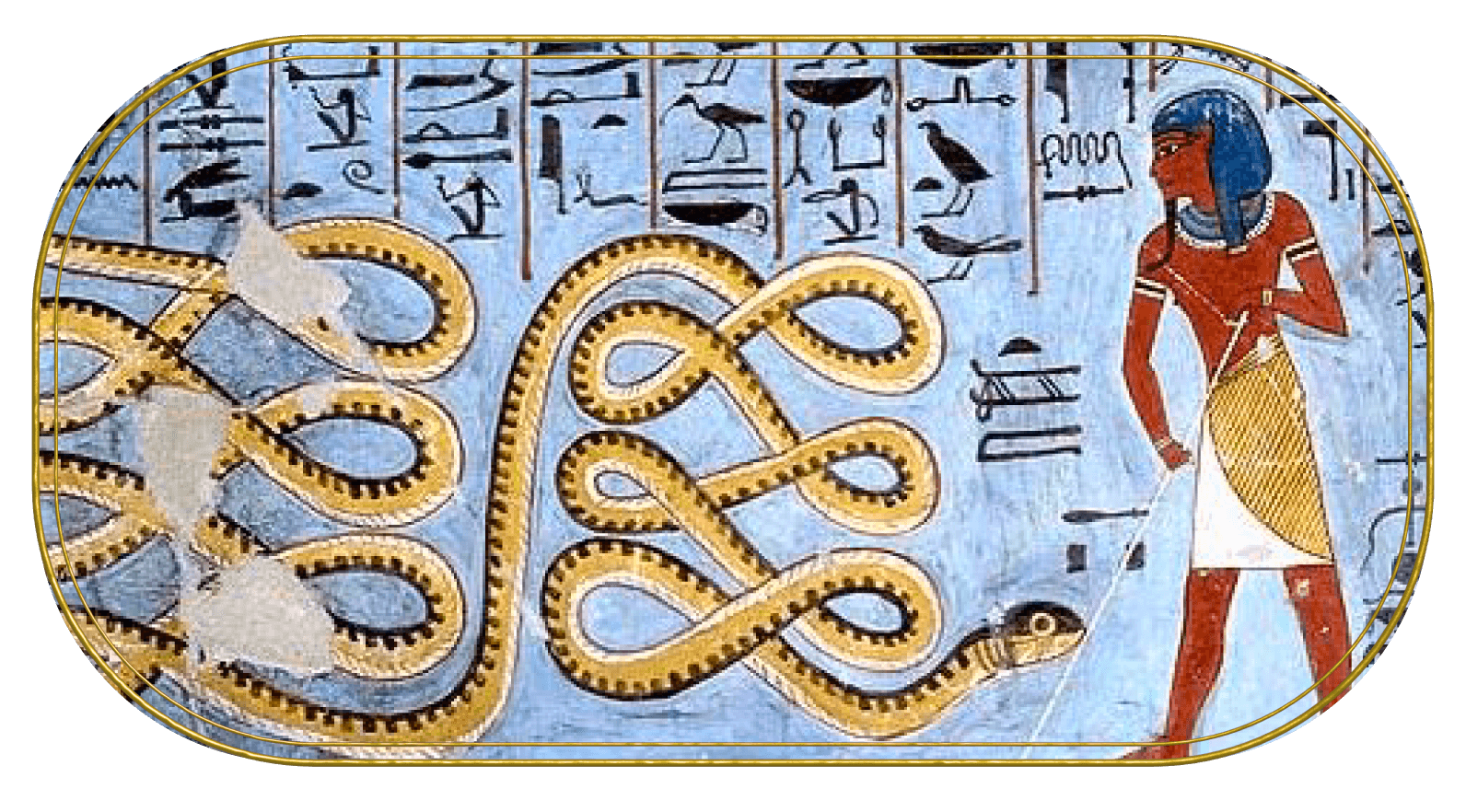
But not all forces were so benevolent. In the river’s dark currents, Egyptians believed lurked Apep, the great serpent of chaos. Each night he tried to devour the sun god Ra as he sailed through the underworld on his solar boat. The river was not only a giver of life, but a battleground between order and disorder.
APEP
THE SERPENT OF CHAOS
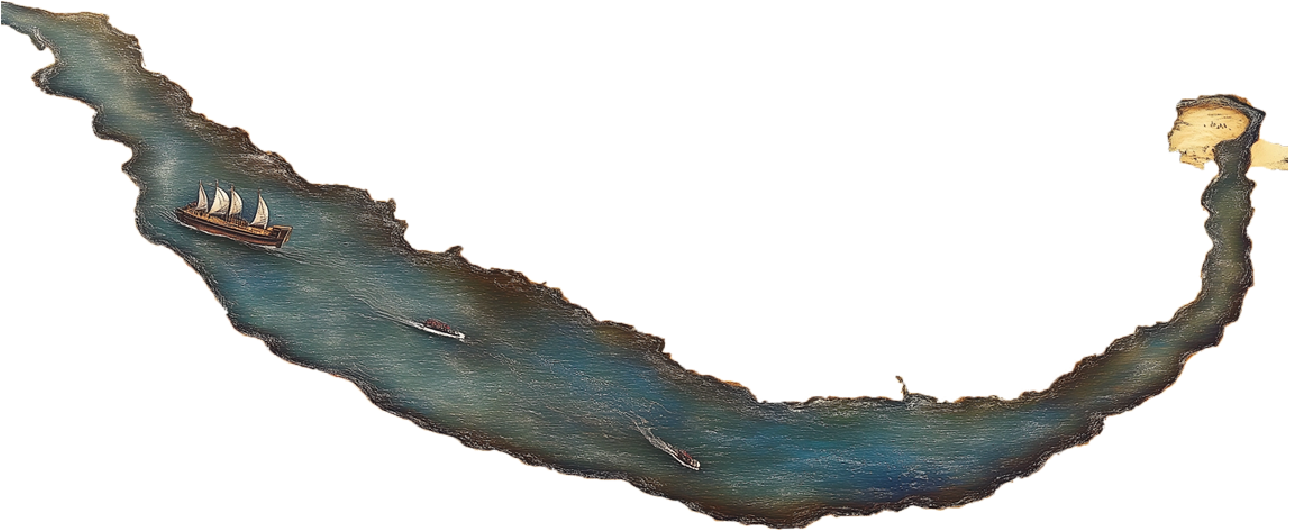
There’s something moving about a civilization that built its calendar, rituals, and gods around a river’s rhythm. There was the Festival of the Inundation, when Egyptians gathered to praise Hapi for his gift. Priests performed elaborate offerings to ensure a generous flood. Sacred boats were launched in processions with images of gods gliding across the water, stopping at temples to be honoured and fed. These weren’t just symbolic; they were a collective act of reverence, binding people, land, and spirit together.
Even death travelled by river. The journey from the east bank (the land of the living) to the west (the land of the dead) was made by boat. Just as Ra sailed the sky, the deceased sailed toward eternity, often accompanied by miniature model boats buried in their tombs.
And that’s what stays with me: not just the history, but the listening. The relationship. The way storytelling was an act of devotion. An ancient reminder that stories are not just ways to explain the world, they are ways to belong to it
The people of the Nile knew what we often forget: that trust in cycles, however unpredictable, binds you to something larger than yourself.
The people of the Nile knew what we often forget: that trust in cycles, however unpredictable, binds you to something larger than yourself. That attention and myth build the kind of respect that control never can.
I’m drawn to the idea that stories make something sacred. They are a way to remember how to care for something. Especially now, when everything feels out of step, when our days are ruled by speed and extraction rather than cycles and care.
I find myself returning to these old stories because they remind me:
Civilization isn’t just what we build. It’s what we believe. And to believe in a river to shape your life around its moods is a form of deep, reciprocal respect. A quiet kind of remembering.
Maybe that’s the invitation hidden in the old myths of the Nile. To listen. To slow down. To imagine that the rivers of today, whether the Ganga, the Amazon, the Jordan, or the Mekong, still hold wisdom, if we’re willing to hear it. And sometimes, those stories are enough to bring us back into rhythm.