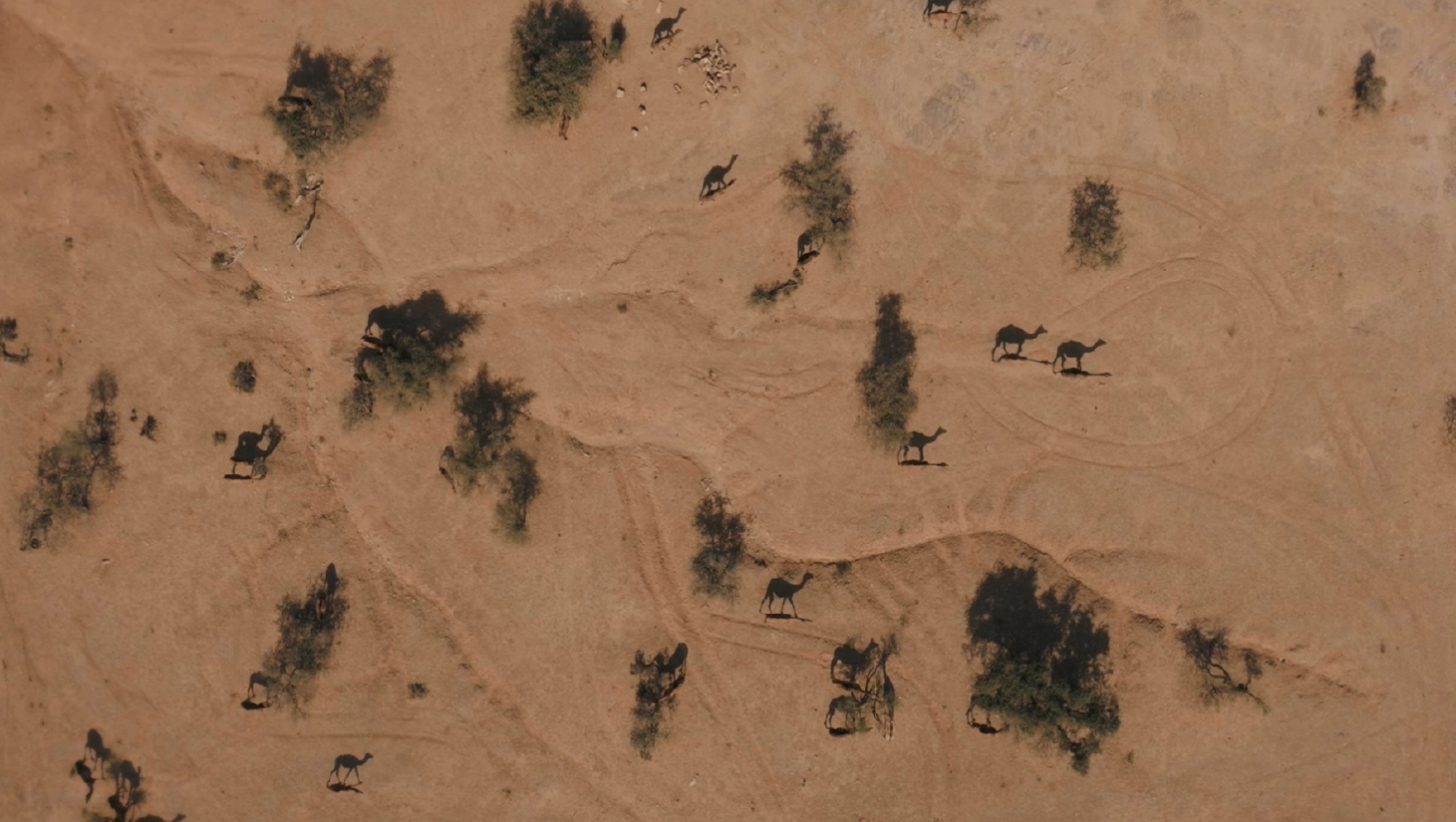
The Aravalli hills are one of India’s oldest mountain ranges but their dryland ecosystems are under growing pressure. At RAAS-Chhatrasagar in Rajasthan, a 1,500-acre landscape dominated by invasive Prosopis juliflora is now the site of a focused restoration effort led by the Wildlife Conservation Trust (WCT). The goal: to restore ecological balance by removing invasive species, reintroducing native vegetation, and building long-term resilience across the landscape.
This project is part of a broader strategy to protect India’s open natural ecosystems—scrublands, savannas, and arid grasslands—that are often misunderstood and mismanaged. At Chhatrasagar, the team has established a field station, mapped habitats using satellite and drone technology, and conducted detailed surveys of soil, vegetation, insects, birds, and mammals. Early results are promising: a diverse range of native grasses has been recorded, rare spider species have been identified, and native saplings are already being planted in newly cleared areas.
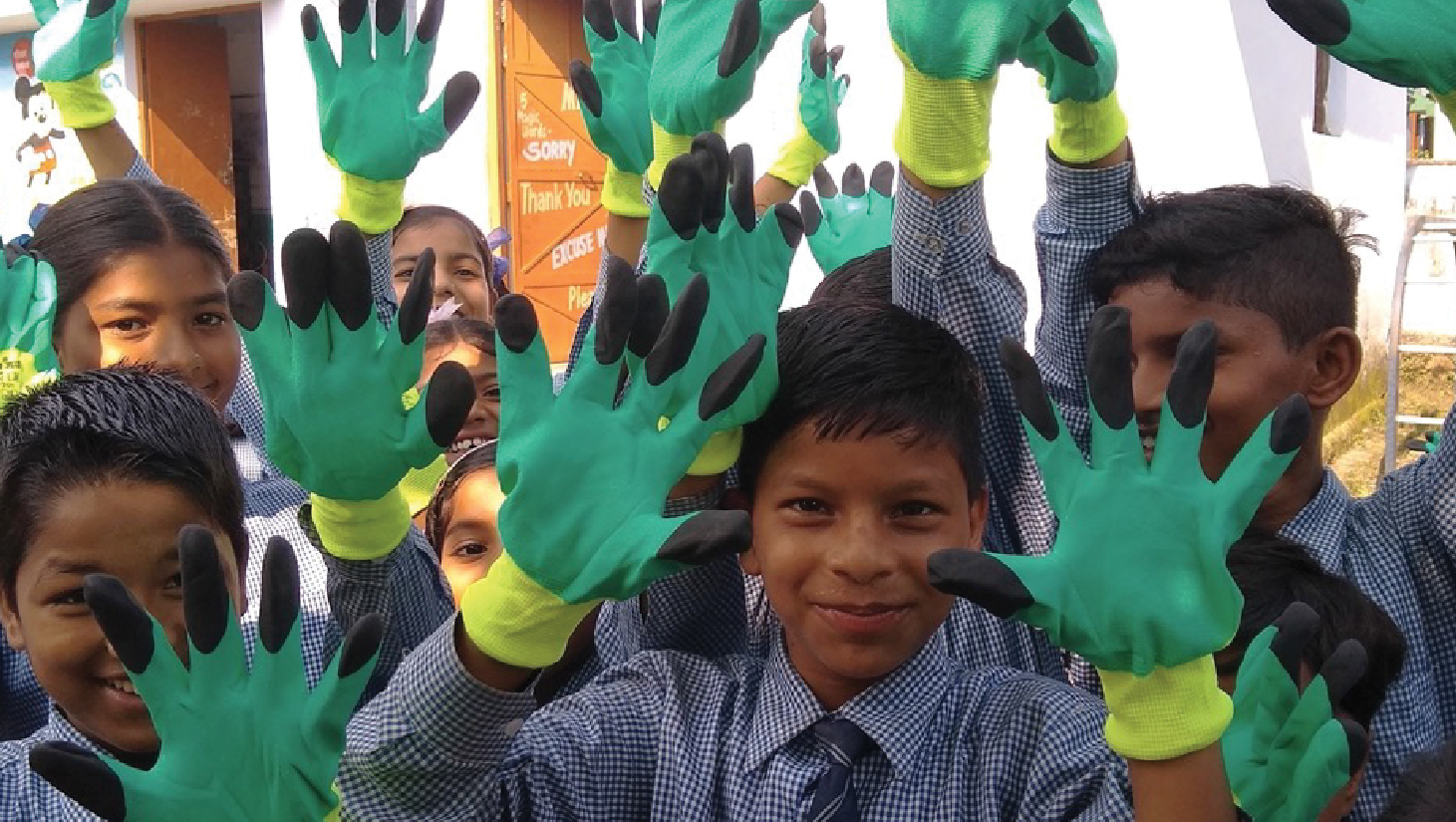
The restoration is also engaging local communities, who are helping remove invasive shrubs and support nursery efforts. This hands-on, science-driven work is laying the foundation for a healthier ecosystem, one where biodiversity can recover and thrive over time.
Project name: Restoring the Aravallis: Ecosystem Revival at RAAS-Chhatrasagar
Type: Ecosystem restoration
Location: RAAS-Chhatrasagar, Rajasthan
Partner organisation: Wildlife Conservation Trust (WCT) & RAAS-Chhatrasagar
Stats:
- 1,500-acre project site including a 100-acre reservoir; 0.8 hectares of land under active native plantation.
- Biodiversity surveys recorded 1,148 insects and 25 spider species, including rare bioindicator genera.