From Introduction To Invasion: How Non-Native Plants Took Root In India’s Ecosystems
PUBLISHED
January 27, 2026
WORDS
Sunaina Mullick
The spread of non-native plant species is widely recognised as a major threat to biodiversity and healthy ecosystems worldwide. In India, the deliberate introduction of such plants can be traced to the late eighteenth century, beginning with the East India Company’s Botanical Garden in Kolkata. Within eight years, the garden had collected over 300 plant species, many from outside the subcontinent.
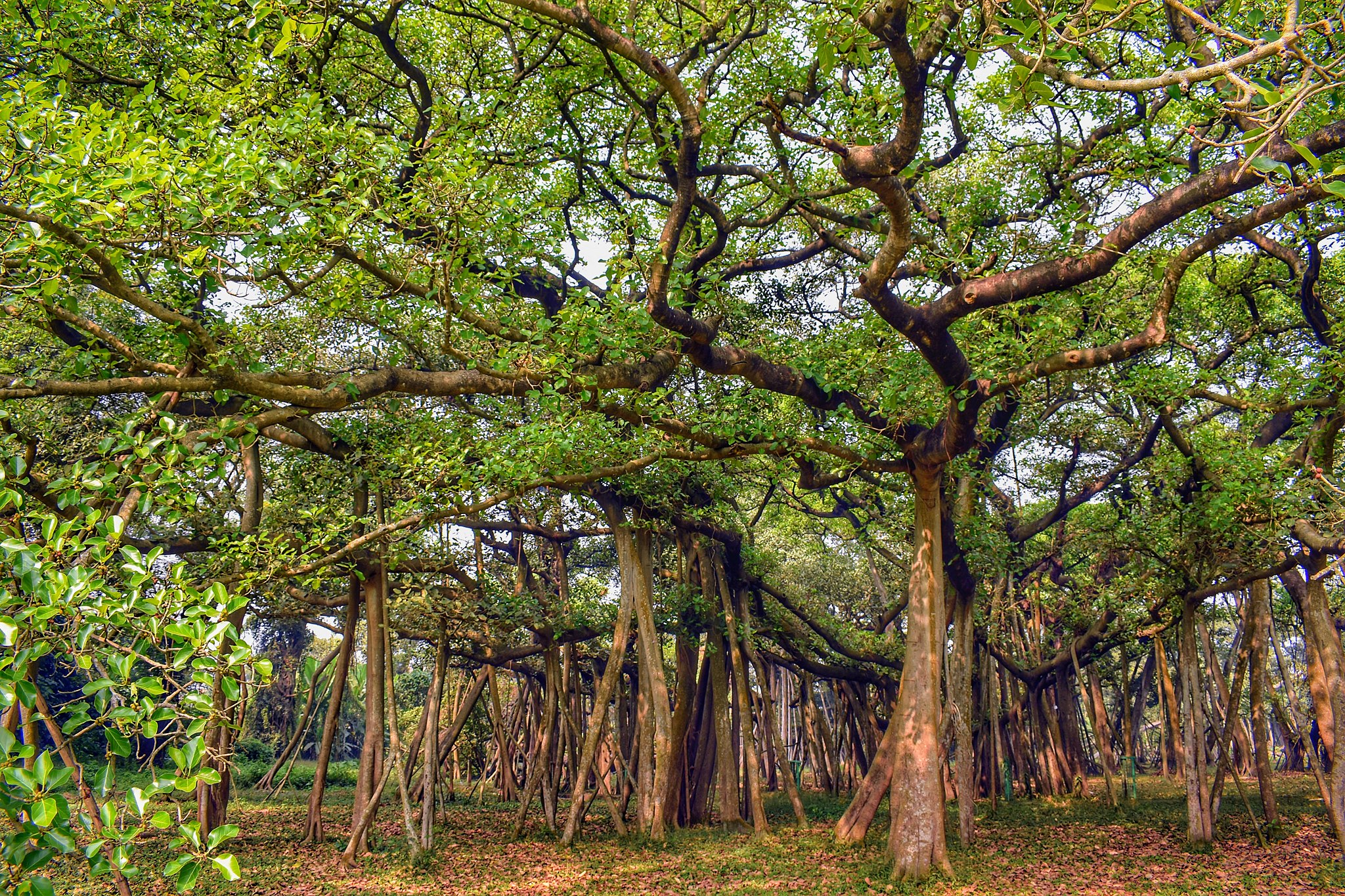
The Great Banyan Tree at Acharya Jagadish Chandra Bose Indian Botanic Garden (East India Company’s Botanical Garden), Kolkata, India
This process expanded rapidly after the East India Company encouraged large-scale experiments to “naturalise” plant species considered useful or desirable, even from elsewhere. This period marked a turning point in India’s botanical history, reshaping landscapes through widespread introduction of exotic flora and laying foundations for today’s conservation challenges.
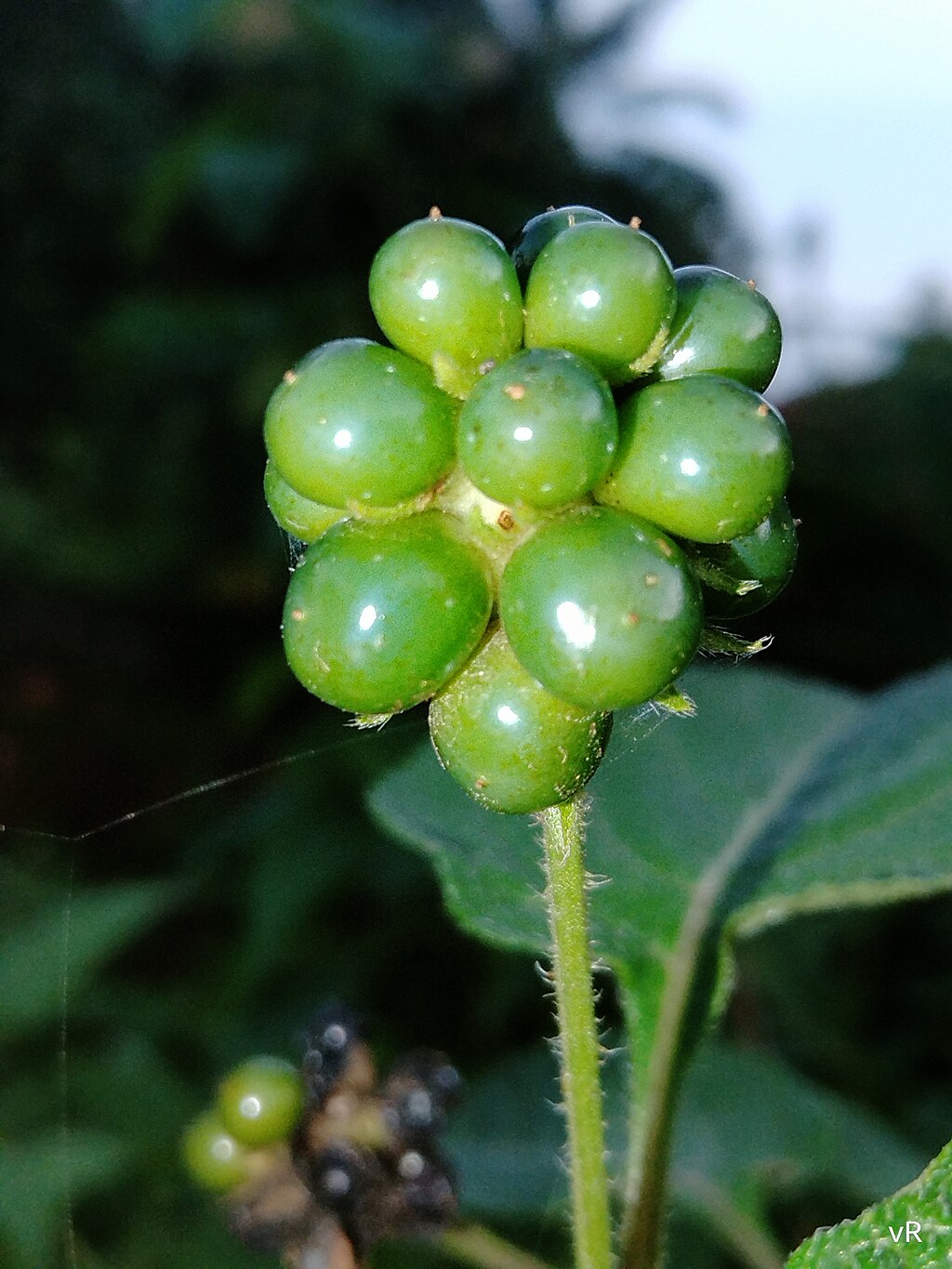
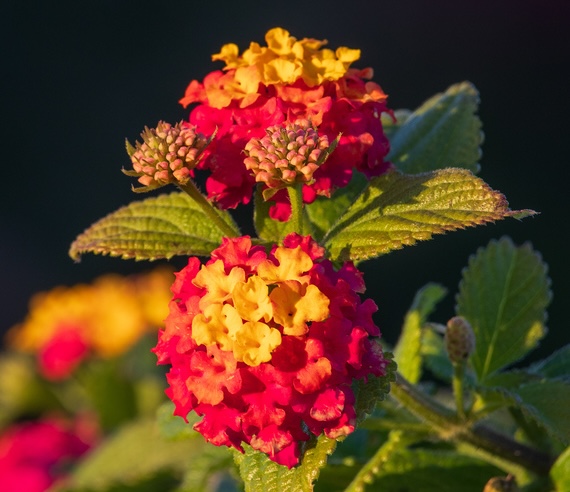
Lantana Camara
Two Introductions, Two Purposes
Lantana camara was introduced largely for ornamental purposes. Its bright, multi-coloured flowers, long flowering season, and minimal care requirements made it popular in colonial gardens and botanical collections. Plant introductions were guided mainly by visual appeal and perceived usefulness, not ecological risk assessment. There was little awareness of invasive behaviour, seed dispersal patterns, or long-term consequences for native ecosystems.
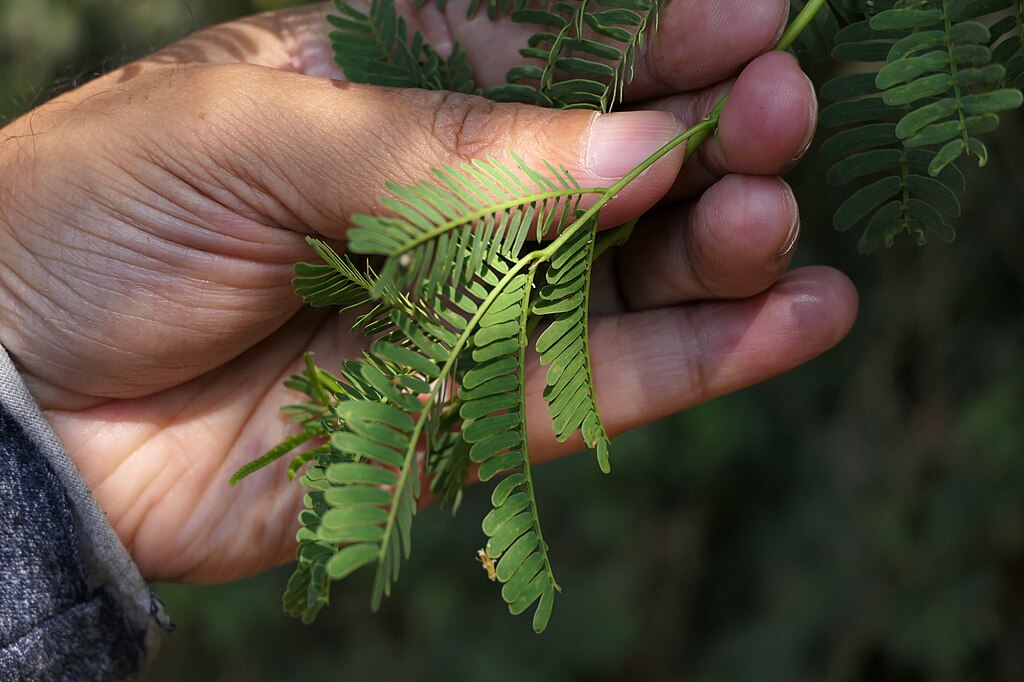
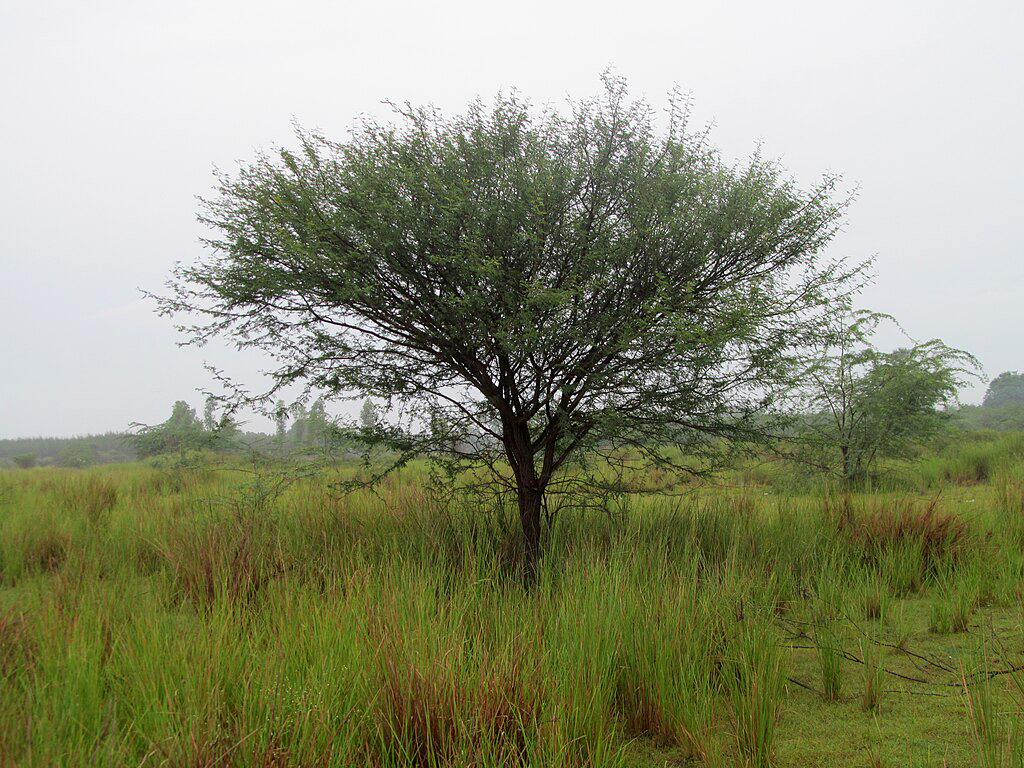
Prosopis juliflora was introduced much later, around the mid-twentieth century, for different reasons. It was promoted as a solution to land restoration and desertification in dry regions, used to stabilise sandy soils and provide fuelwood in arid landscapes. Its fast growth, nitrogen-fixing ability, and drought tolerance made it attractive to planners and foresters in states like Rajasthan, Gujarat, and Tamil Nadu.

Prosopis Juliflora
“Prosopis primarily invades open ecosystems in the arid and semi-arid regions of India. These include grasslands, scrublands, and savanna. Lantana is most invasive in tropical to subtropical forests with relatively closed canopies, particularly dry and moist deciduous forest types,” states Dr. Navendu Page, Scientist C, Thakrey Wildlife Foundation.
In both cases, ecological accountability was largely missing. Ecosystems are not empty spaces waiting to be filled but are shaped by long-standing relationships between soil, water, animals, pollinators, microbes, and seasonal cycles—relationships that existed long before new species arrived.
Why They Became Invasive
“Invasive plants generally contain toxins that make them unpalatable to herbivores, or sometimes have low nutritional value, making them unfavourable to herbivores. Since invasive alien plants have not co-evolved with the native fauna, they are not part of their diet menu, or are not good providers of pollen or nectar to pollinators,” explains Dr. Anish Andheria, President and CEO of Wildlife Conservation Trust.
What makes Lantana and Prosopis invasive is a combination of advantages that native ecosystems cannot counter. Lantana grows rapidly, regenerates aggressively after cutting or burning, and forms dense thickets preventing sunlight from reaching the forest floor. It alters soil conditions, making it difficult for native plants to re-establish.
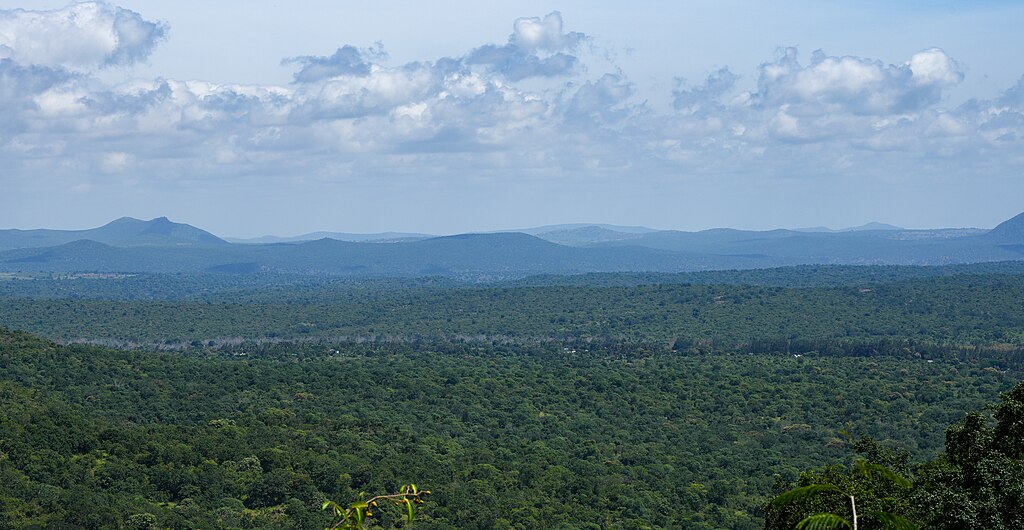
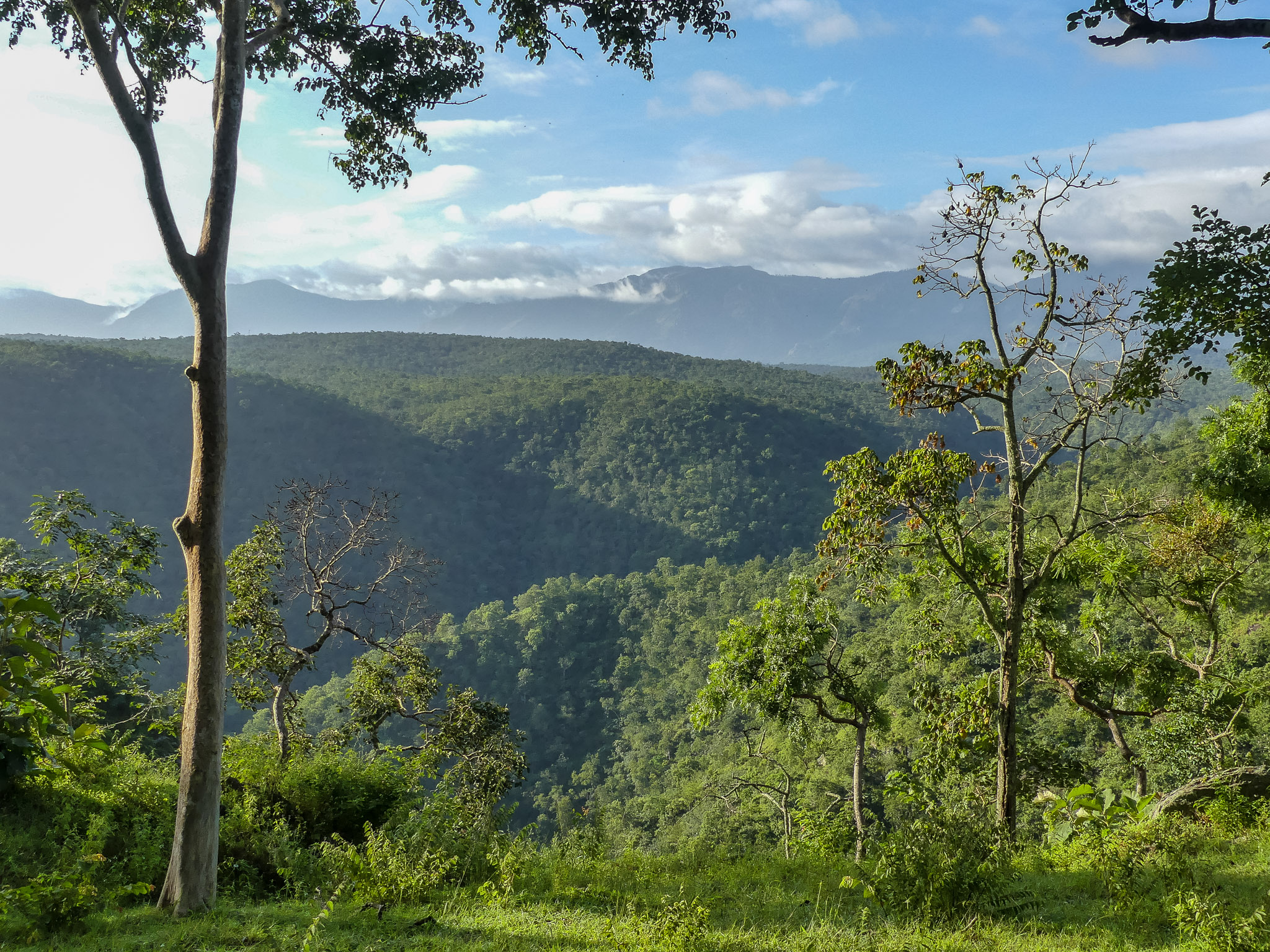
Mudumalai Tiger Reserve – the Forest Department in Tamil Nadu actively clears lantana from national parks and reserves
Prosopis works differently. Its deep root systems draw water from far below the surface, giving it strong advantage in dry regions. Its seeds are tough, long-lasting, and easily spread through livestock dung. Cutting often leads to stronger regrowth rather than weakening it.
"The seeds of the invasives can stay dormant in the soil for long periods of time and have high fertility enabling them to sprout and thrive as soon as the right conditions are available. Therefore, simply removing them once does not ensure eradication; the huge number of seeds in the soil will keep sprouting year after year," notes Dr. Andheria.
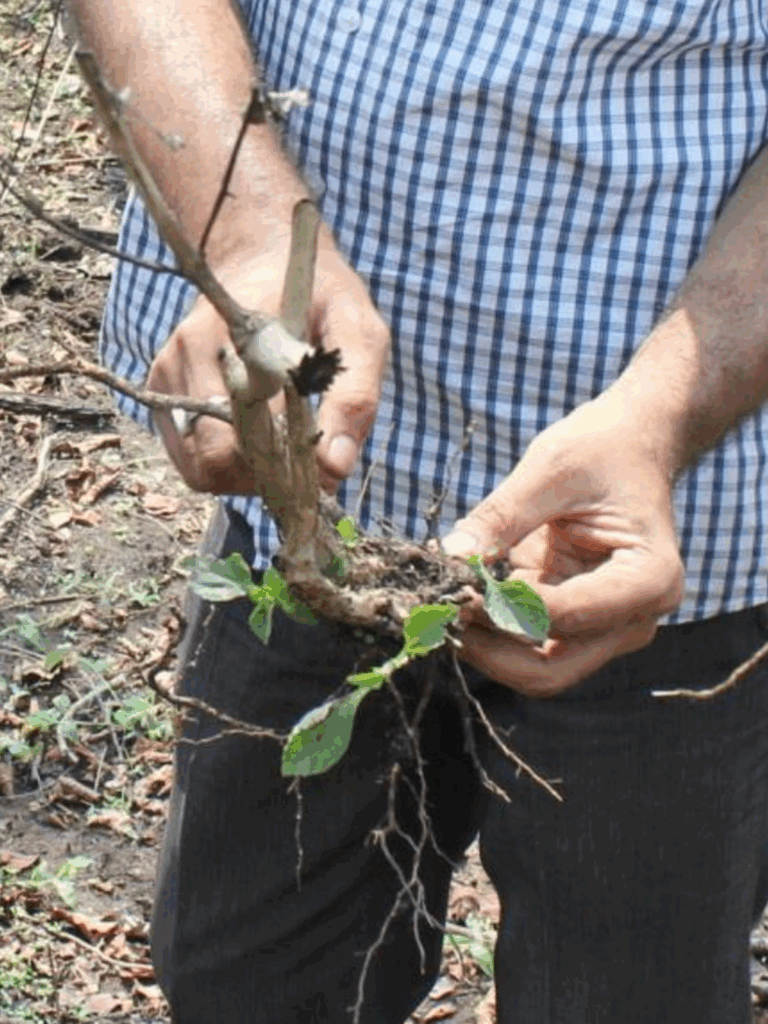
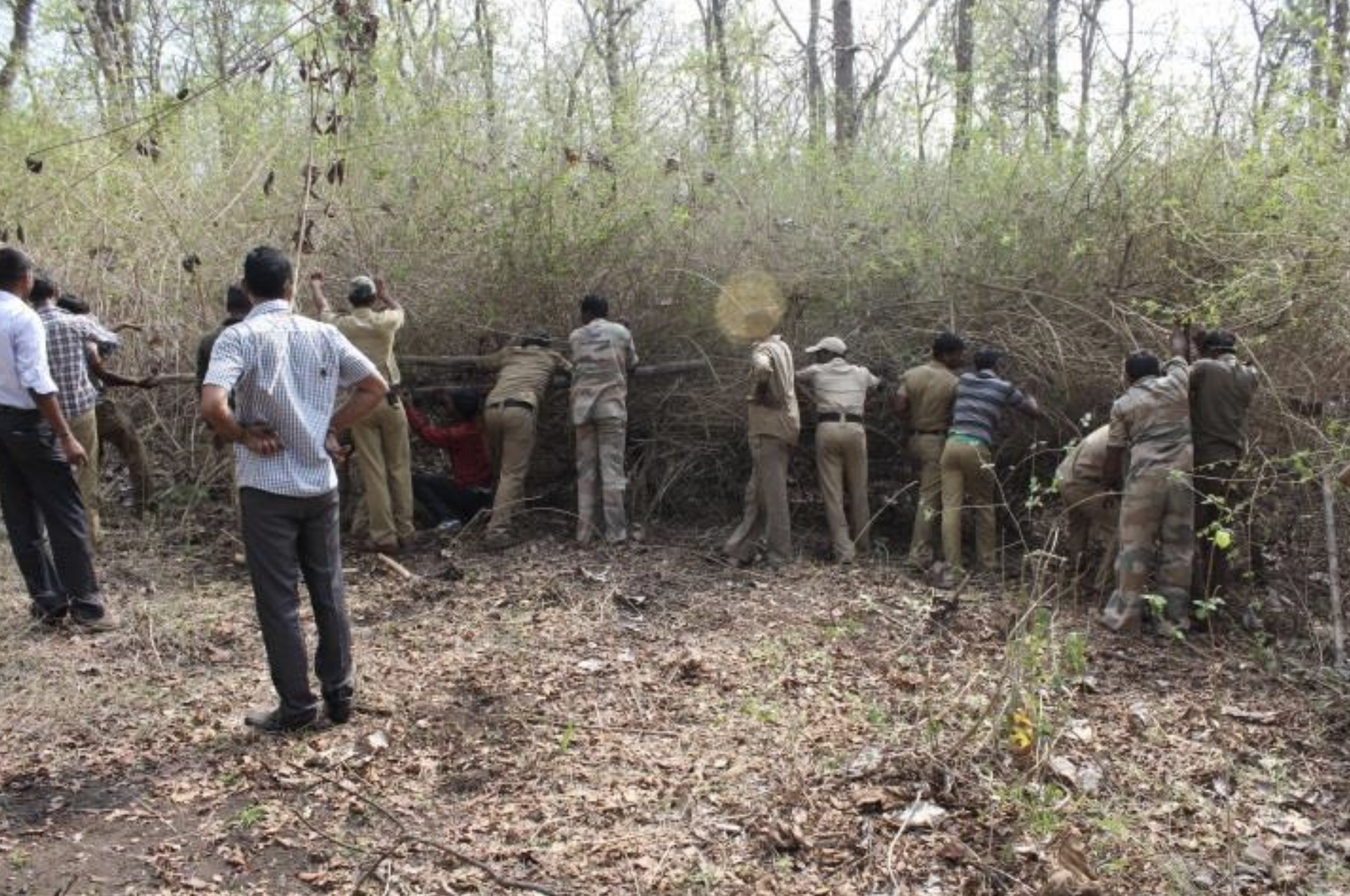
A team of Forest Department staff at Bandipur Tiger Reserve removing Lantana Camara*
Removal Challenges
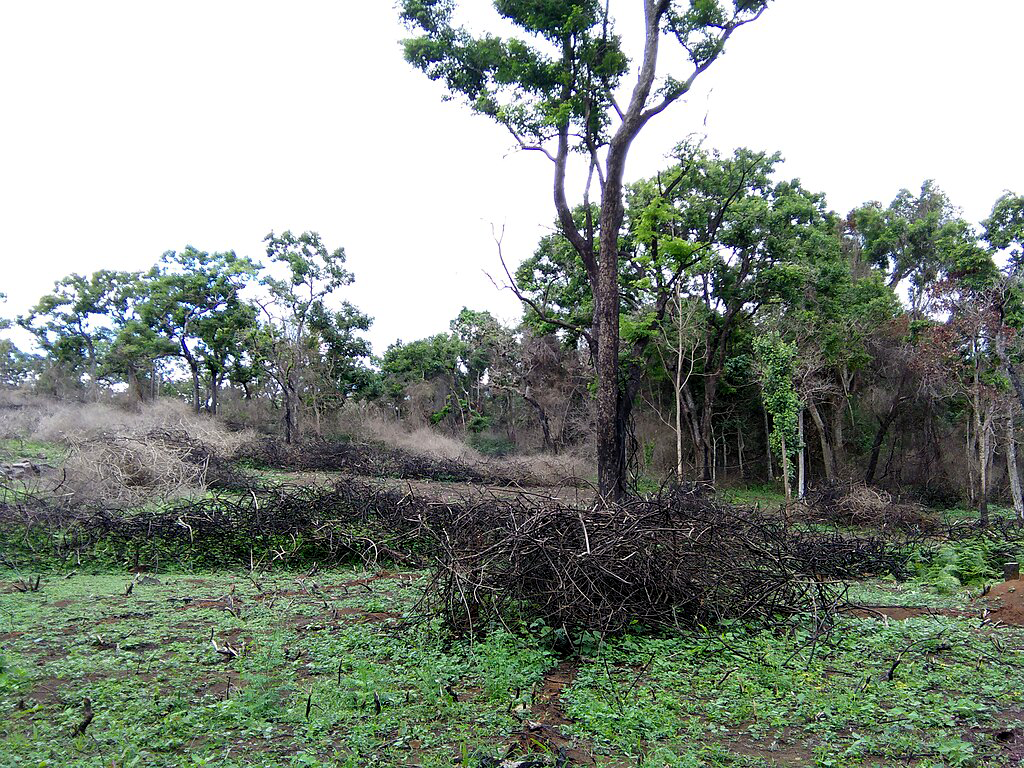
Across India, removal efforts differ based on region, terrain, and urgency. Despite years of clearing, both species persist and often return stronger. In forested regions, Lantana is usually removed through manual cutting and uprooting, sometimes followed by controlled burning. These methods often disturb soil and increase light—conditions Lantana exploits well.
Large-scale mechanical removal can clear areas quickly but often damages soil structure and native seed banks. Without follow-up restoration, cleared areas remain vulnerable to reinvasion.
Removal of invasive Lantana Camara for habitat management in the BRT Tiger Reserve
“In India, both open and closed-canopy ecosystems of peninsular regions support a high proportion of narrow endemic plant species and are therefore likely to be among the most severely affected by invasive species such as Lantana and Prosopis,” says Dr. Page.
Removing Prosopis in arid regions presents different challenges. Cutting is common, but Prosopis responds by rapidly resprouting. Complete uprooting is expensive and difficult to sustain over large areas.
Prosopis Juliflora tree
Beyond Removal
More hopeful outcomes emerge where clearing combines with ecological restoration. In parts of Karnataka and Madhya Pradesh, Lantana removal has been followed by planting native grasses, shrubs, and trees, along with controlled grazing and fire management. By giving native species early establishment opportunities, Lantana’s dominance can gradually reduce.
Both species remain difficult to eliminate completely. Their repeated return signals that the problem has been approached too narrowly.
Without long-term ecological restoration, removal will remain cyclical and incomplete. Managing invasive species now requires moving beyond repeated clearing towards rebuilding native ecosystems strong enough to hold their ground.
*Field Manual For Cut Root – Stock Method of Lantana Camara Management (Version 2 dated 12.10.2015) prepared by Junglescapes Charitable Trust for the Forest Department staff of Bandipur Tiger Reserve, images of lantana camara removal, https://indiabiodiversity.org/biodiv/content/projects/project-fc210795-5976-42f6-ad1b-7f96a02dd819/826.pdf, accessed on January 23, 2026