Sacred WATER

Decolonizing Nature: Healing with Ganga

WORDS

Chetna Chopra

From the glacial heights of Gangotri, where she emerges in icy clarity, the Ganga has shaped the subcontinent for millennia; nourishing its lands, cultures, and imagination. For many, she is not just a river, but Ganga Ma – a living goddess who cleanses sin, grants liberation, and bears witness to the cycle of life and death. Along her banks, civilizations have risen, threading rituals, livelihoods, and devotion into her ever-moving current.

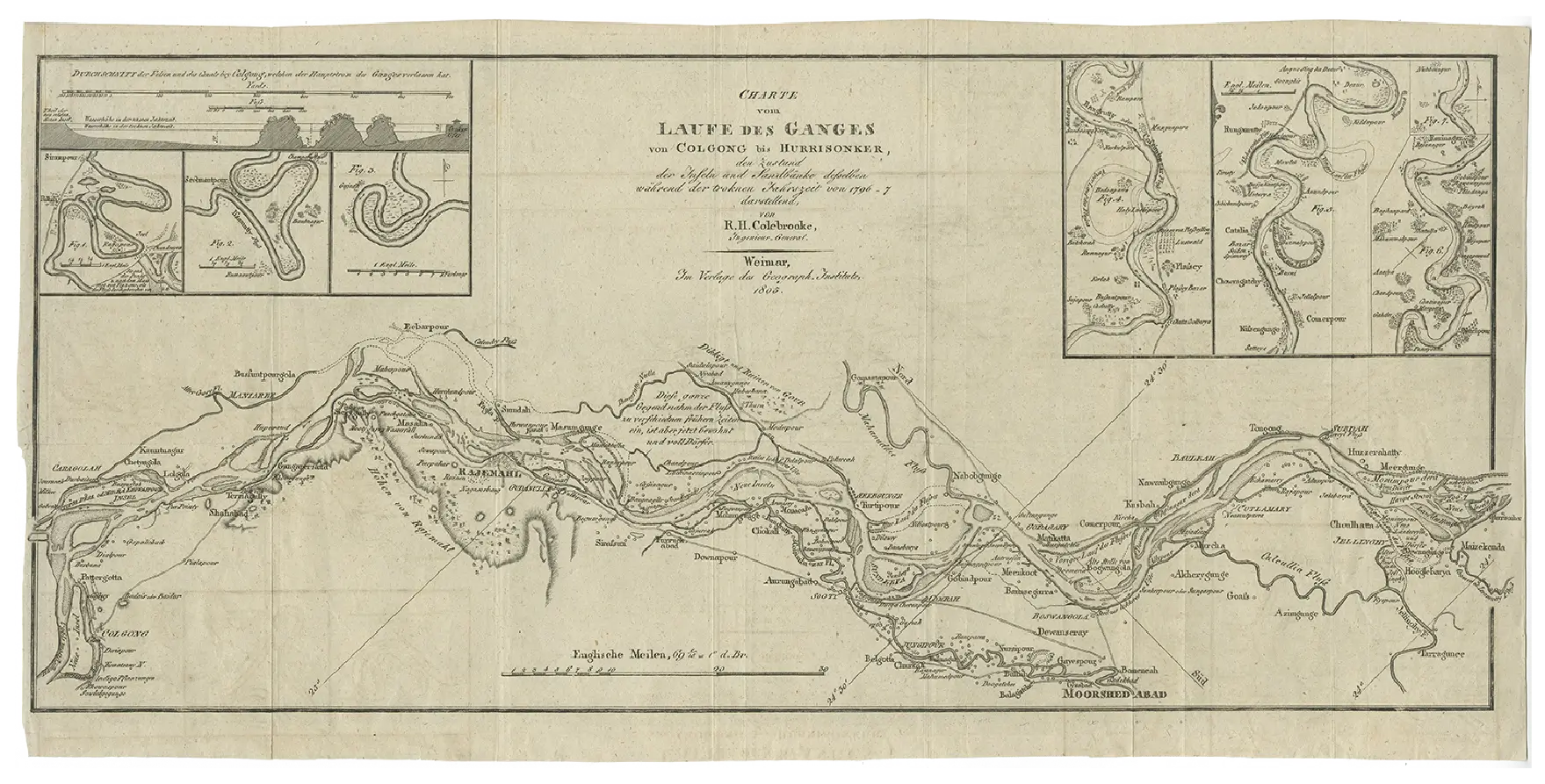
Antique map titled ‘Charte vom Laufe des Ganges von Colgong bis Hurrisonker’.

Antique map titled ‘Charte vom Laufe des Ganges von Colgong bis Hurrisonker’.

Yet that ancient relationship has been eroded. From colonial rule to the present day, the Ganga has been dammed, diverted, and industrialised—her body treated as infrastructure, her spirit reduced to a utility. Decolonisation demands dismantling these inherited systems of control, returning the river’s right to flow and the people’s right to defend her. It rejects top-down rule in favour of guardianship rooted in ecological rhythms and cultural memory—a shift from exploiting a resource to standing in solidarity with a living being.

Yet that ancient relationship has been eroded. From colonial rule to the present day, the Ganga has been dammed, diverted, and industrialised—her body treated as infrastructure, her spirit reduced to a utility. Decolonisation demands dismantling these inherited systems of control, returning the river’s right to flow and the people’s right to defend her. It rejects top-down rule in favour of guardianship rooted in ecological rhythms and cultural memory—a shift from exploiting a resource to standing in solidarity with a living being.

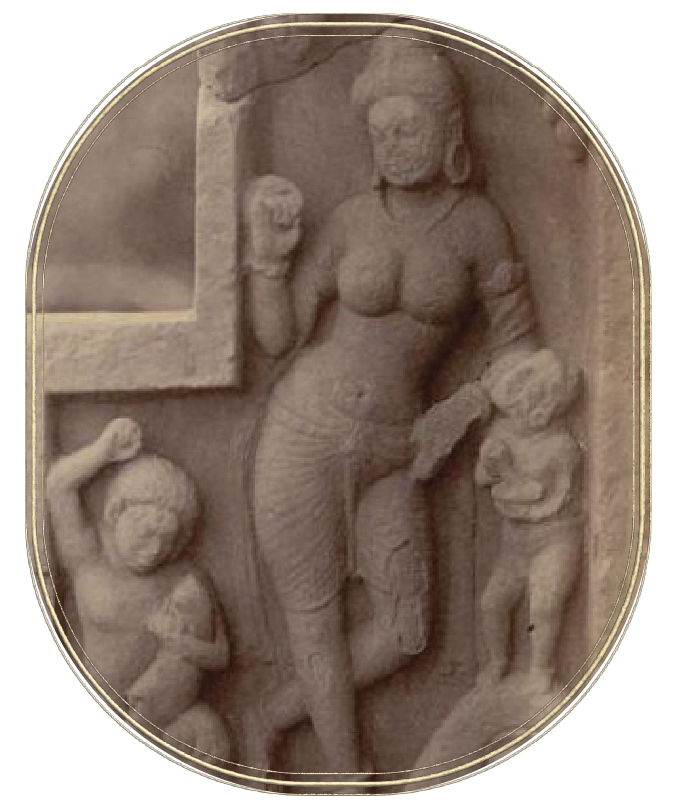
Photograph (1875) of goddess Ganga (Gupta period, 5th or 6th century CE) from Besnagar, Madhya Pradesh, now in Museum of Fine Arts, Boston.

Photograph (1875) of goddess Ganga (Gupta period, 5th or 6th century CE) from Besnagar, Madhya Pradesh, now in Museum of Fine Arts, Boston.

Photograph (1875) of goddess Ganga (Gupta period, 5th or 6th century CE) from Besnagar, Madhya Pradesh, now in Museum of Fine Arts, Boston.

As she descends into the plains, the rupture is clear. Her sacred rhythm falters—no longer guided by the wisdom of the land, but reshaped by the ambitions of empire. The river that once flowed through a tapestry of ecology and community was forced into the grid of colonial utility.

British colonialism introduced a violent way of inhabiting the land: subjugating rivers, forests, and soil to imperial needs. Sacred rivers became canals. Forests became timber reserves. Indigenous knowledge systems, refined over centuries, were dismissed as superstition. Irrigation schemes and navigation projects reframed the Ganga as a utilitarian resource. This marked the beginning of engineered flow regulation—a stark change from centuries of unhindered flow.

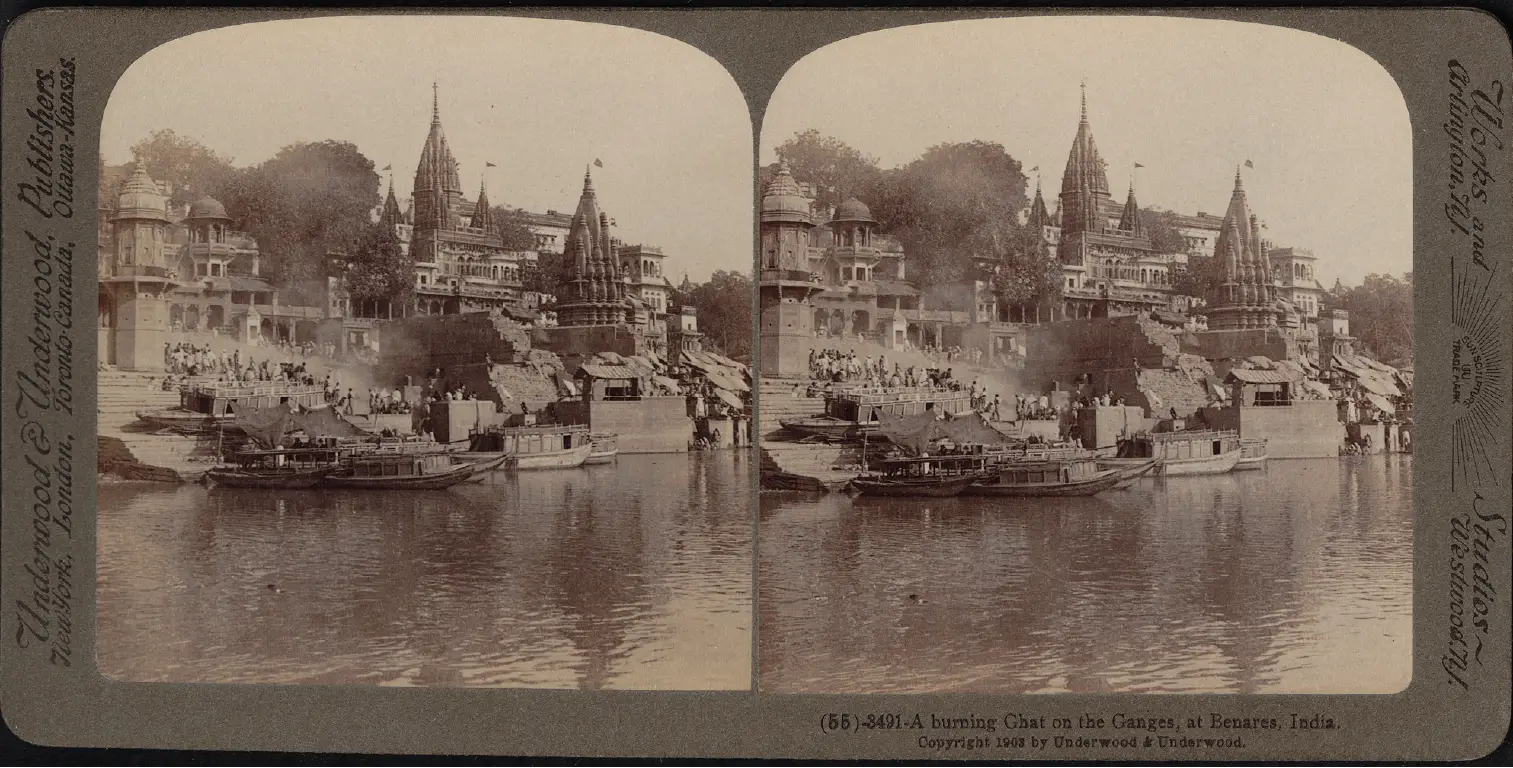
A burning-ghat on the Ganges at Benares, India

A burning-ghat on the Ganges at Benares, India

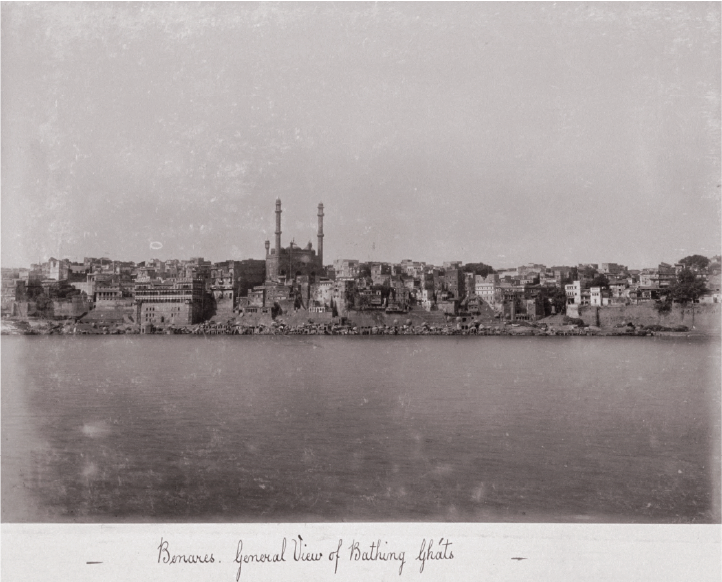
General view of the bathing ghats, Benares” (c. 1860s)

General view of the bathing ghats, Benares” (c. 1860s)

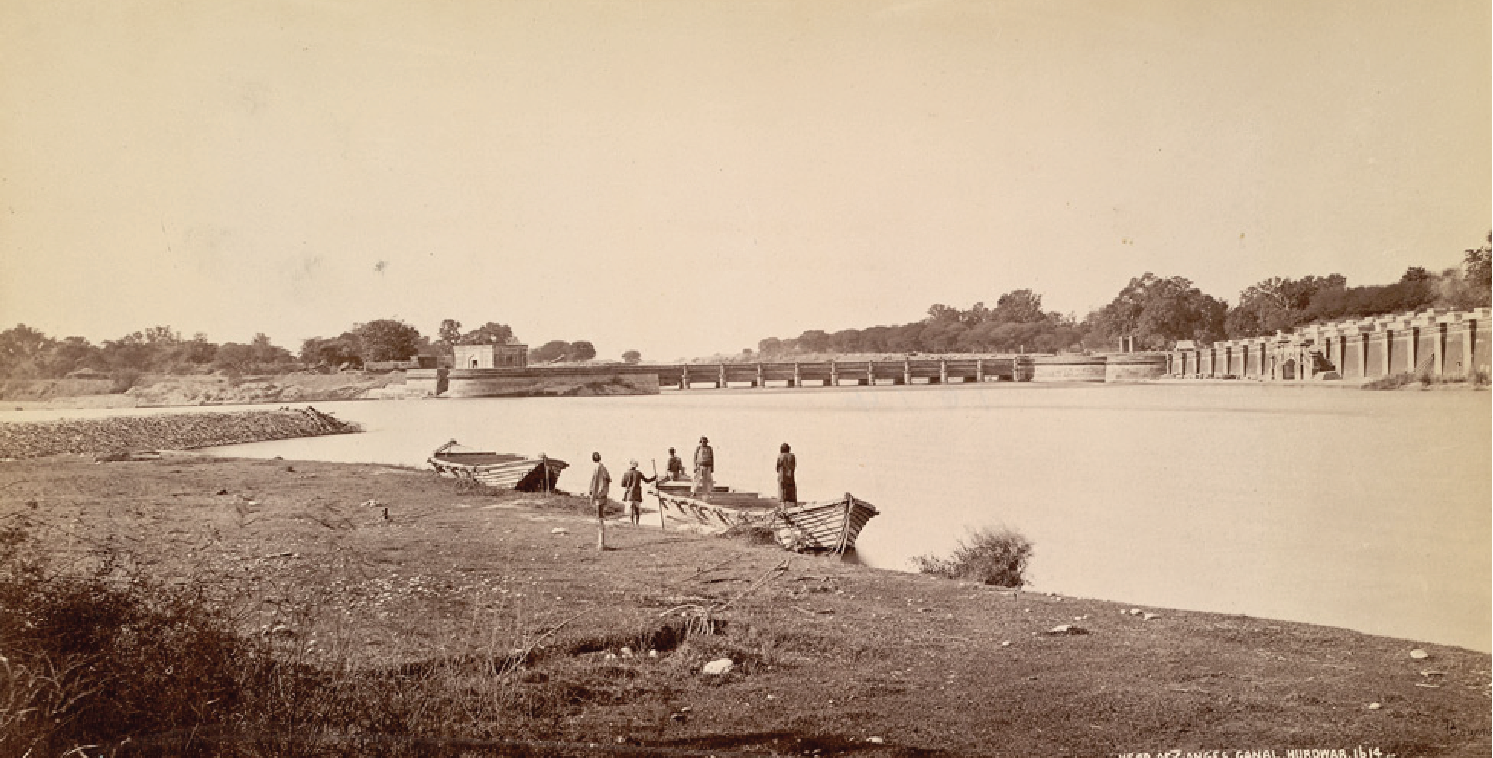
Head of Ganges Canal, Hardwar” taken by Samuel Bourne in 1860, but published in 1895, showing the headworks of the Ganges Canal in Haridwar, India.

Head of Ganges Canal, Hardwar” taken by Samuel Bourne in 1860, but published in 1895, showing the headworks of the Ganges Canal in Haridwar, India.

In 1854, the Ganga was first broken. The Haridwar barrage and Upper Ganges Canal diverted her waters for cash crops, depleting her dry-season flow. The main channel—once perennially navigable—became shallow, disrupting aquatic ecosystems and the river’s metabolism.


Transformation was not limited to engineering. Traditional farming gave way to monocultures of indigo, opium, jute, and cotton—crops grown not to feed people but to fuel trade. Forests were cleared, soil eroded, canals cut across floodplains. With railways expanding, the river’s role in commerce diminished. Urban-industrial sprawl crept along her banks, pouring sewage and effluents into her waters.

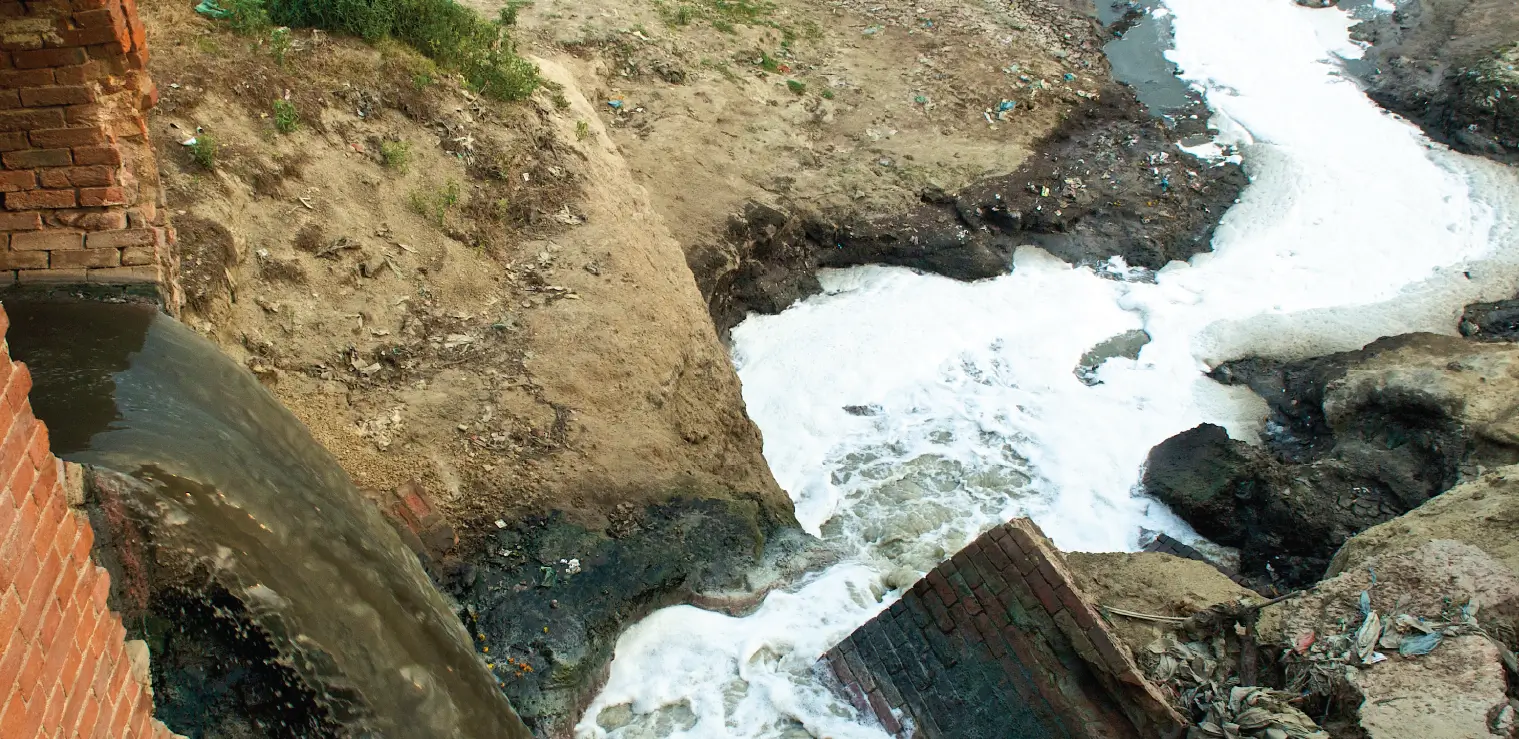
Just below the Dapka Ghat in Kanpur, a “nhala” or drainage ditch, pours raw sewage into the Ganges River.

Just below the Dapka Ghat in Kanpur, a “nhala” or drainage ditch, pours raw sewage into the Ganges River.

Just below the Dapka Ghat in Kanpur, a “nhala” or drainage ditch, pours raw sewage into the Ganges River.

Kanpur—once Cawnpore—rose as a colonial leather hub, manufacturing boots and saddles for the British army. Today, it remains home to India’s densest cluster of tanneries, many discharging chromium, lead, and cadmium into the river. Fishing is banned, aquatic life has nearly vanished, and toxins seed chronic illness in communities that depend on her.


The scars left in Kanpur are emblematic of a larger pattern inherited and amplified after independence. By 1947, the colonial mindset of treating rivers as instruments of utility was firmly in place. Independent India, rather than breaking from it, rebranded it. Dams, industrial corridors, and riverfront projects were hailed as the “Temples of Modern India”—glorifying growth even as ecological balance collapsed.


The slogans have changed, but structures of power remain. Modern conservation still echoes colonial logic, treating the river as a problem to be managed rather than a living system to be understood. Centralized planning dominates; conservation becomes another form of command—measured in pipelines and concrete, not community or care

Decolonial restoration offers a different path. Instead of fortifying banks and building over memory, it seeks to reweave the relationships that sustain the river—between water and floodplain, forest and catchment, community and commons. It begins with listening: to seasonal cycles, to local custodians, to the river’s own patterns of renewal. Where modern conservation seeks to control, decolonial restoration seeks to reconnect.

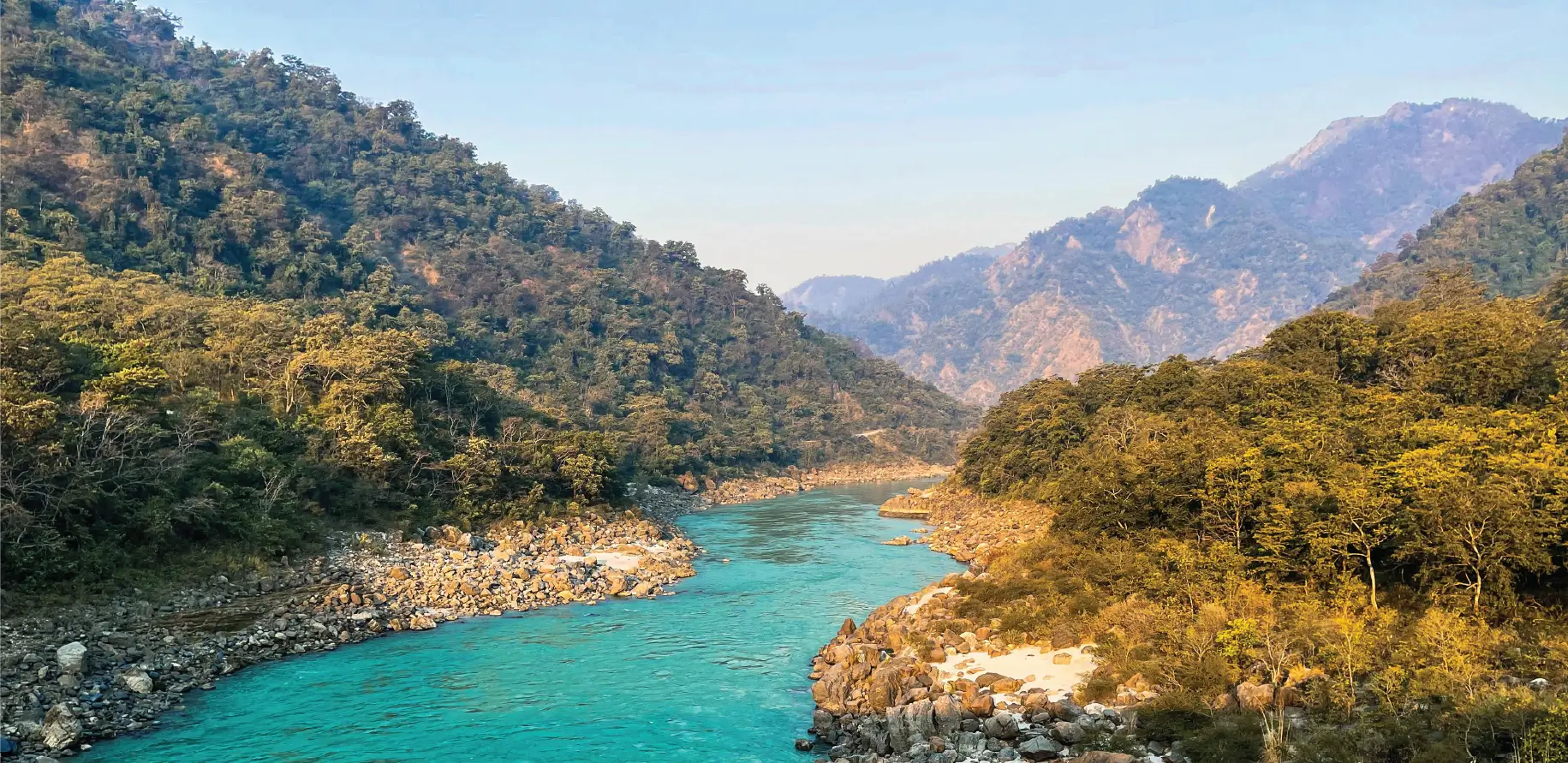
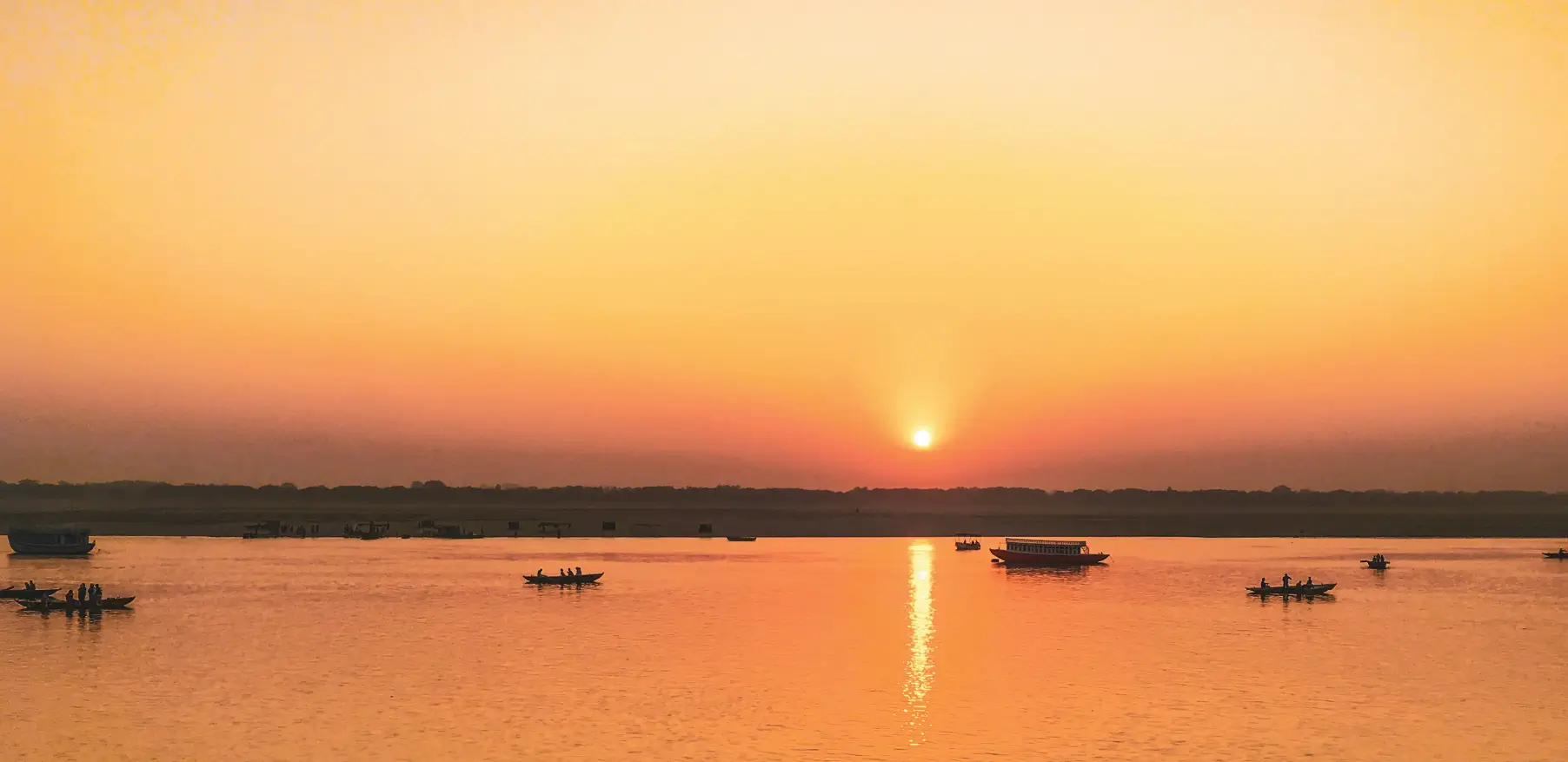
Photo Credit: Rishabh Gagneja, Unsplash

Photo Credit: Rishabh Gagneja, Unsplash

Today, the Ganga receives 4.8 billion liters of sewage daily. At more than one-third of monitored sites, biological oxygen demand exceeds safe levels. Across her 2,500 km journey, her flow is choked by over 40 dams and barrages, fracturing her course. Beneath this lies a deeper violence: the severing of India’s ancient relationship with its rivers. What was once sacred became state property. What was once protected through belief was now controlled through power.

Yet the ground holds memory. Communities have quietly kept practices alive. In Bihar and eastern Uttar Pradesh, farmers are reviving deepwater rice, an indigenous variety that grows with floodwaters rather than resisting them. Unlike high-yield rice, which demands irrigation and chemicals, deepwater rice thrives in chaos—stretching over two meters tall as waters rise. This is more than a crop; it is philosophy. It works with the river’s rhythm, not against it.

Just below the Dapka Ghat in Kanpur, a “nhala” or drainage ditch, pours raw sewage into the Ganges River.

Just below the Dapka Ghat in Kanpur, a “nhala” or drainage ditch, pours raw sewage into the Ganges River.


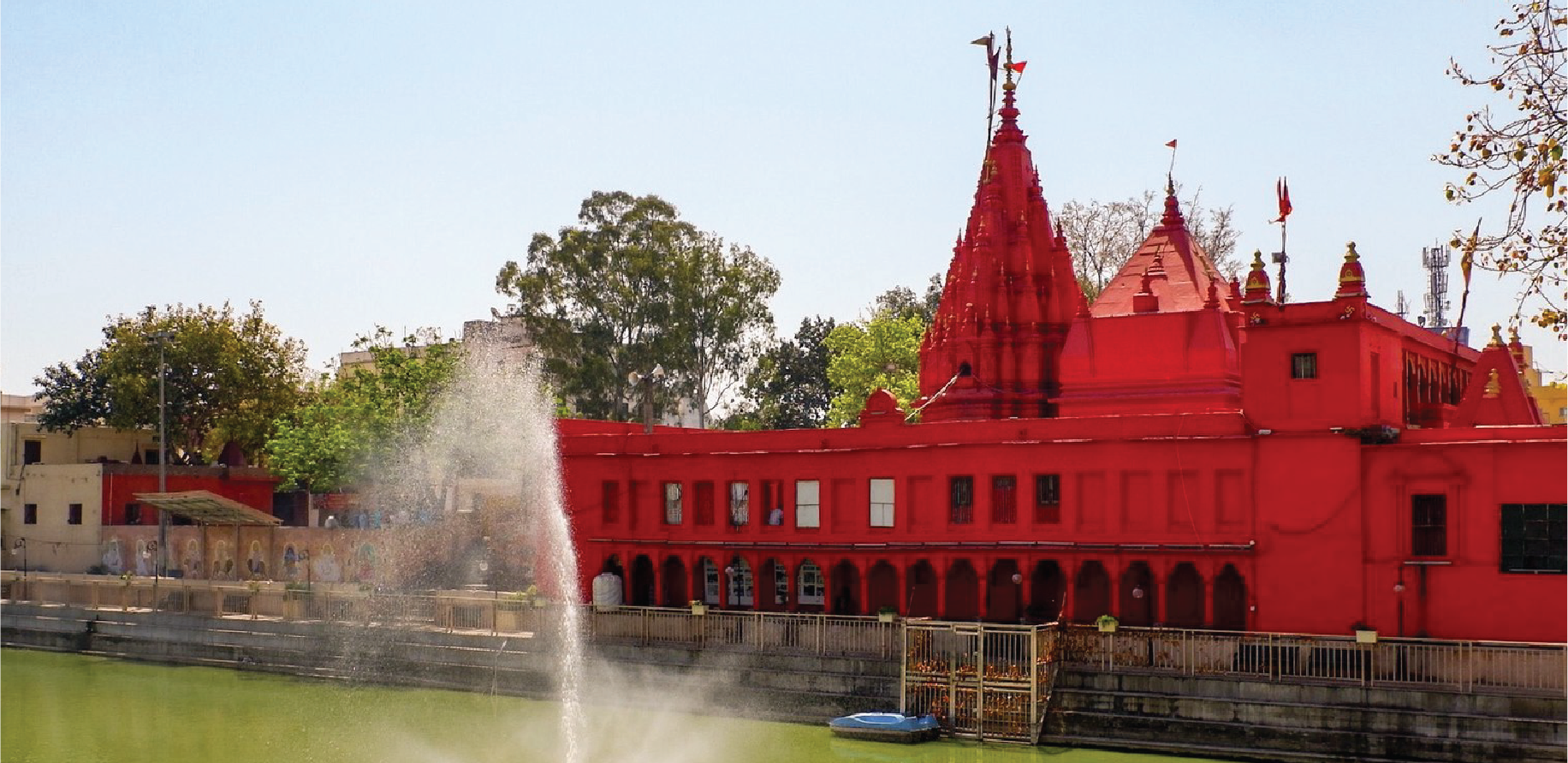
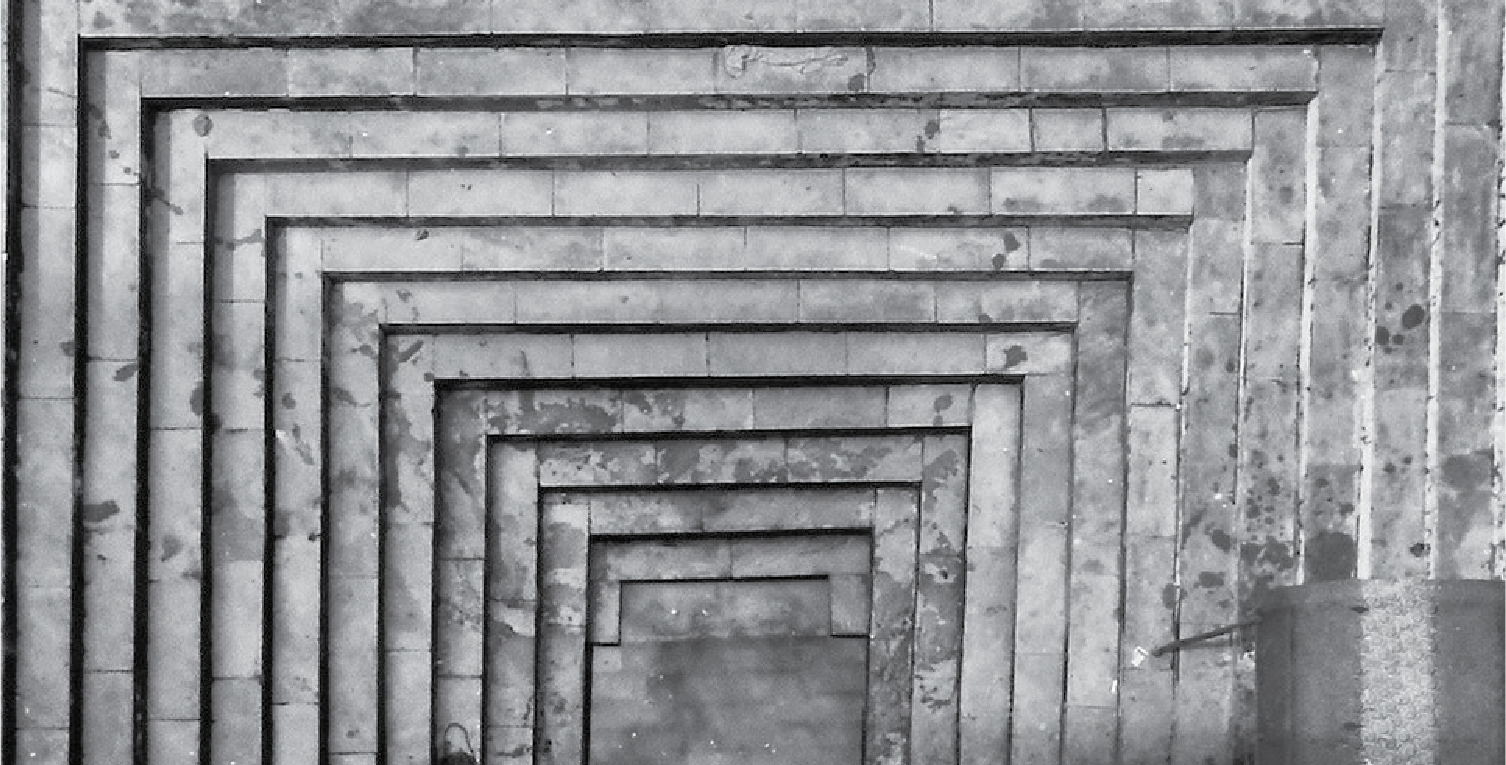
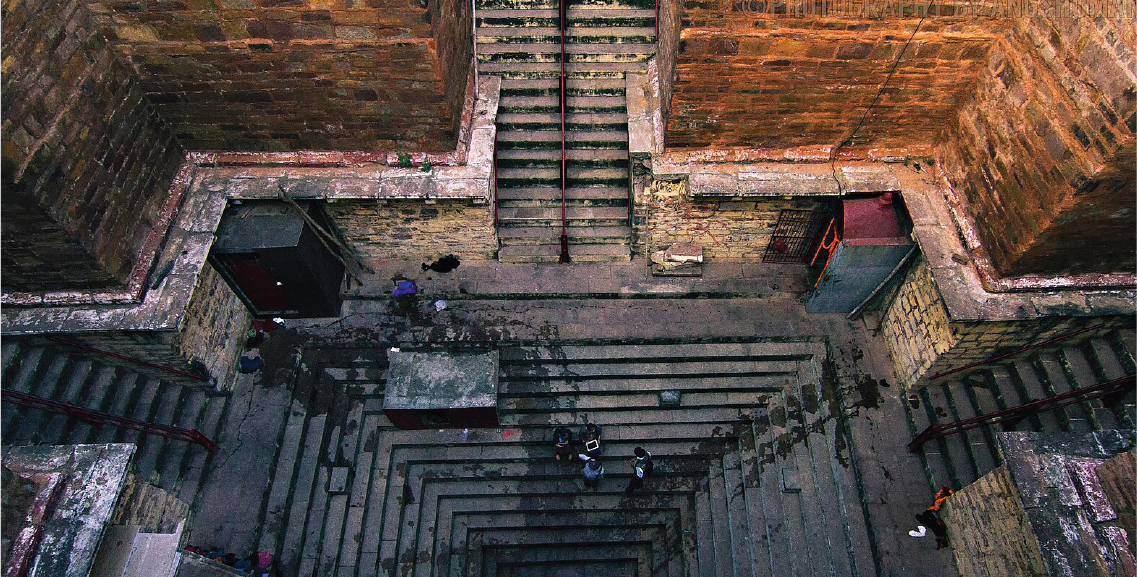
Across the basin, restoration is underway. In Varanasi, kunds—ritual tanks—are being cleaned. In Bundelkhand and Rajasthan, thousands of johads—earthen check dams—have been rebuilt, reviving groundwater. Stepwells like Agrasen ki Baoli in Delhi and Rani ki Vav in Gujarat once captured rainwater and cooled the earth. Sacred groves in Uttarakhand preserved catchment areas. The Mallah and Nishad communities guided fishing through lunar calendars. The ahar-pyne system diverted monsoon water into fields without tapping groundwater. Talabs and johads were caste-managed commons, sustained collectively.

Lolark Kund in Varanasi, in the state of Uttar Pradesh

Lolark Kund in Varanasi, in the state of Uttar Pradesh

Vertigo View At Varanasi Lolark Kund

Vertigo View At Varanasi Lolark Kund

These systems weren’t primitive—they were precise. The river was not a resource, but a sentient being. Polluting her was a sin; protecting her was dharma.

In 2017, the Uttarakhand High Court declared the Ganga and Yamuna legal persons—recognizing their right to flow and be protected. Though stayed, the ruling echoed cosmologies that see rivers as kin, not commodities.

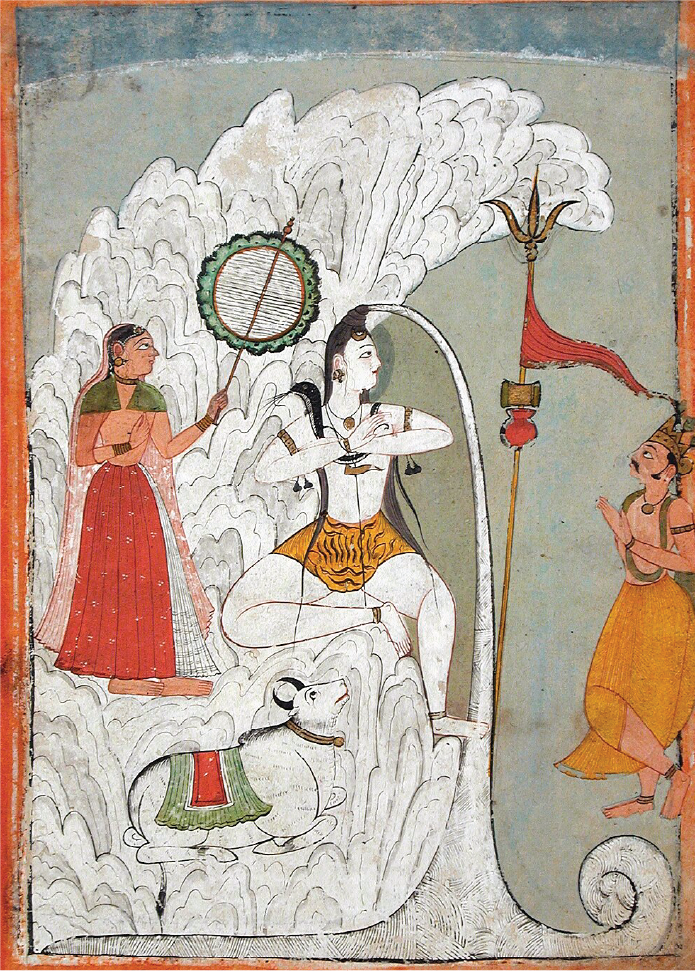
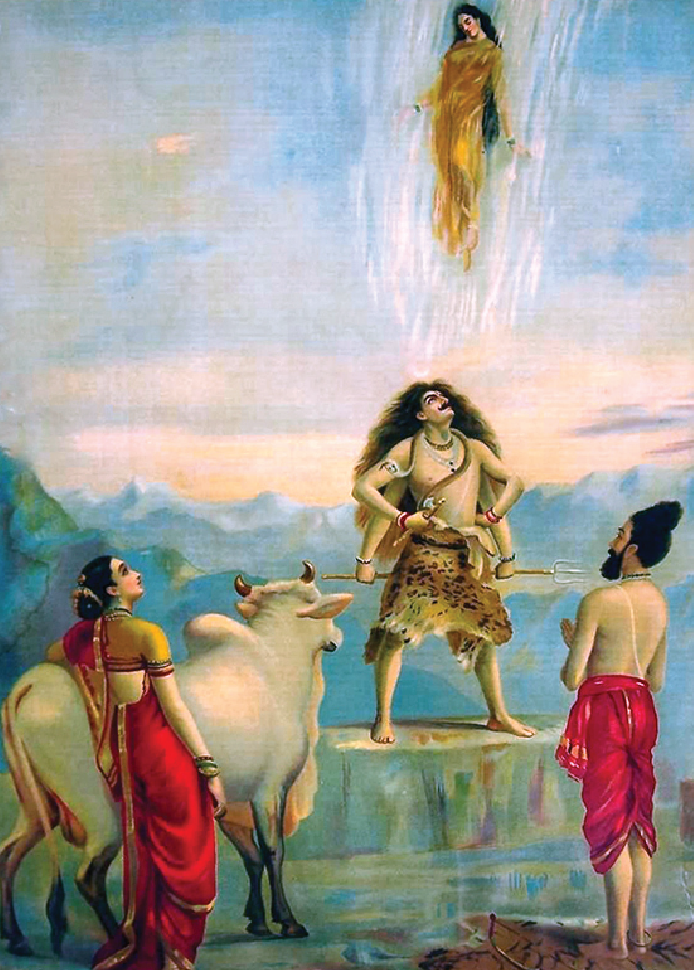
Shiva, as Gangadhara, bearing the Descent of the Ganges, as the goddess Parvati, the sage Bhagiratha, and the bull Nandi look on (circa 1740).

Descent of Ganga, painting by Raja Ravi Varma c. 1910

Swami Gyan Swaroop Sanand—formerly Dr. G.D. Agarwal—embodied this belief. A leading environmental scientist turned monk, he fasted to death in 2018, demanding aviralta (uninterrupted flow) and nirmalta (purity) of Ganga. His death sparked reckoning, yet dams on tributaries continue, sand and stone mining persists, and community voices remain sidelined.

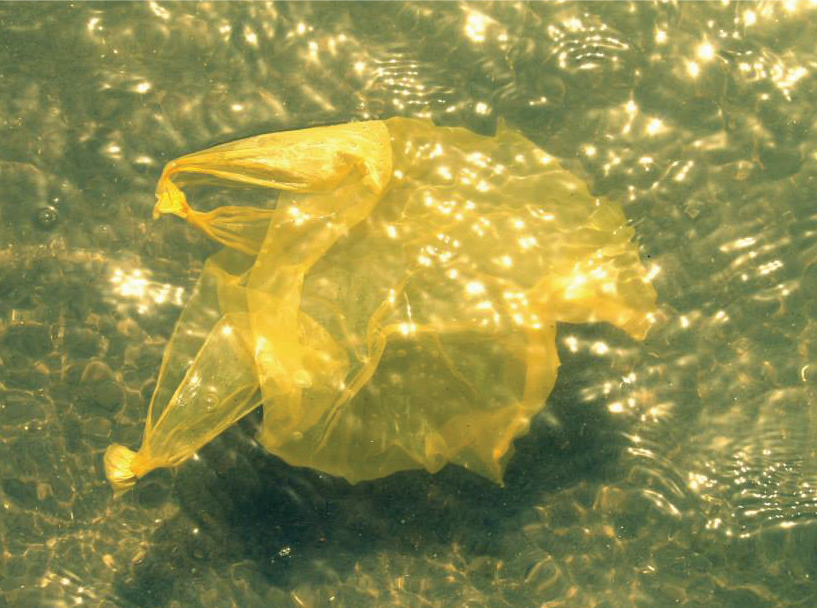
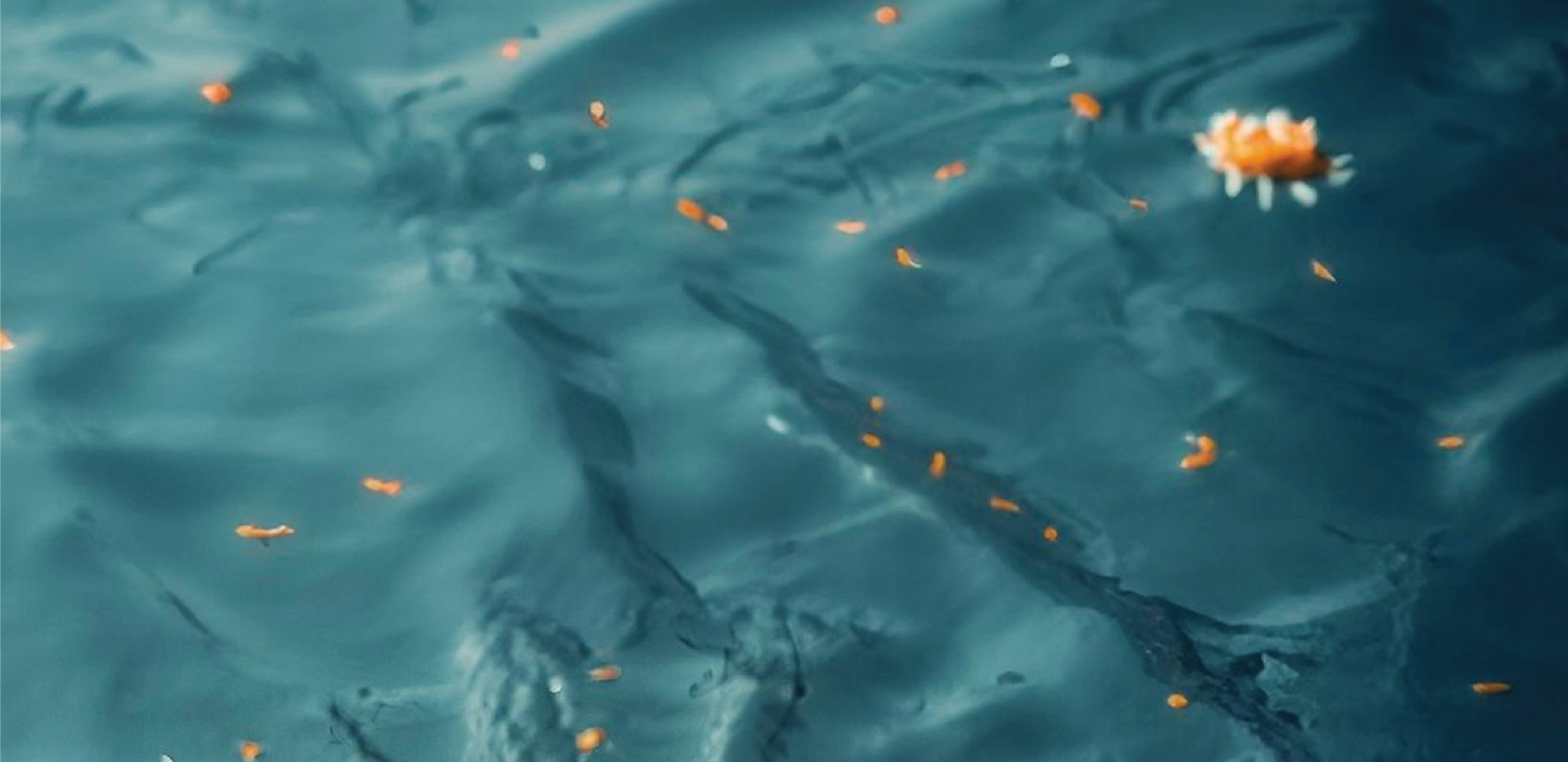
Photo Credit Chinta Pavan Kumar, Unsplash

Photo Credit Chinta Pavan Kumar, Unsplash

The government’s $3 billion Namami Gange mission promises sewage treatment, biodiversity restoration, and riverfront development. While progress is visible in pockets, the deeper rupture remains unhealed. During COVID-19 lockdowns, as factories shut down, the Ganga cleared—a reminder that when she flows freely, she cleanses herself.

What often passes as conservation today—sewage plants, embankments, parks—may improve metrics but leaves the deeper wound untouched. Efforts remain top-down, mirroring colonial control. The river is still treated as an object, not a relationship.

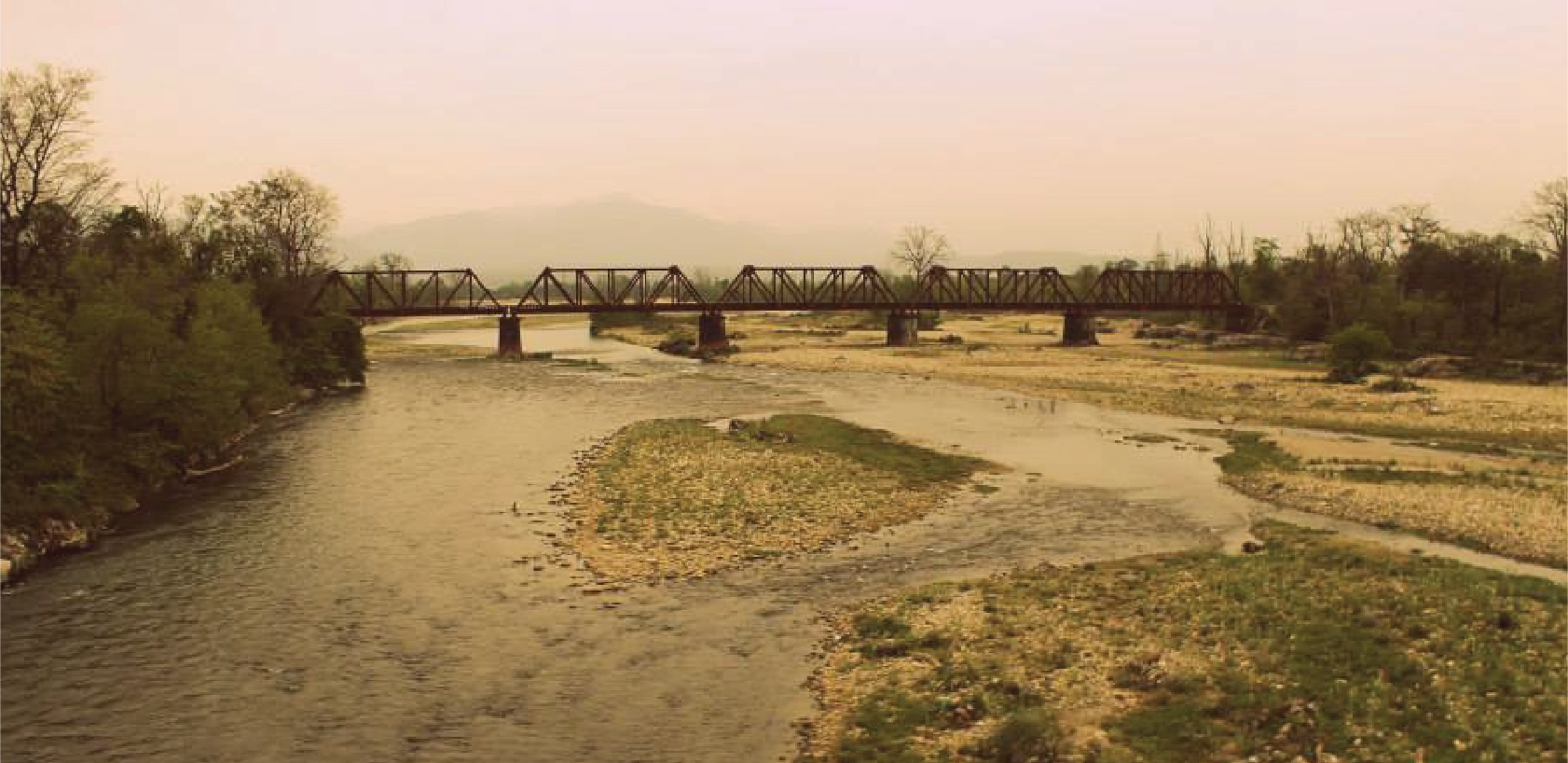
Photo Credit: Niharika Jain

Photo Credit: Niharika Jain

Photo Credit: Niharika Jain

Photo Credit: Niharika Jain

In contrast, decolonial restoration begins with recognition: of the river’s personhood, of community wisdom, of cultural memory. It centres those historically excluded—Dalit fishers, forest dwellers, ritual workers—restoring their role as caretakers. It values listening over managing, reciprocity over extraction. To heal the Ganga is to remember, to repair what was broken, to reweave the severed bond between land, river, and people.


Because conservation alone is not enough. What the Ganga needs is decolonial healing—a restoration of relationship, not just removal of waste.

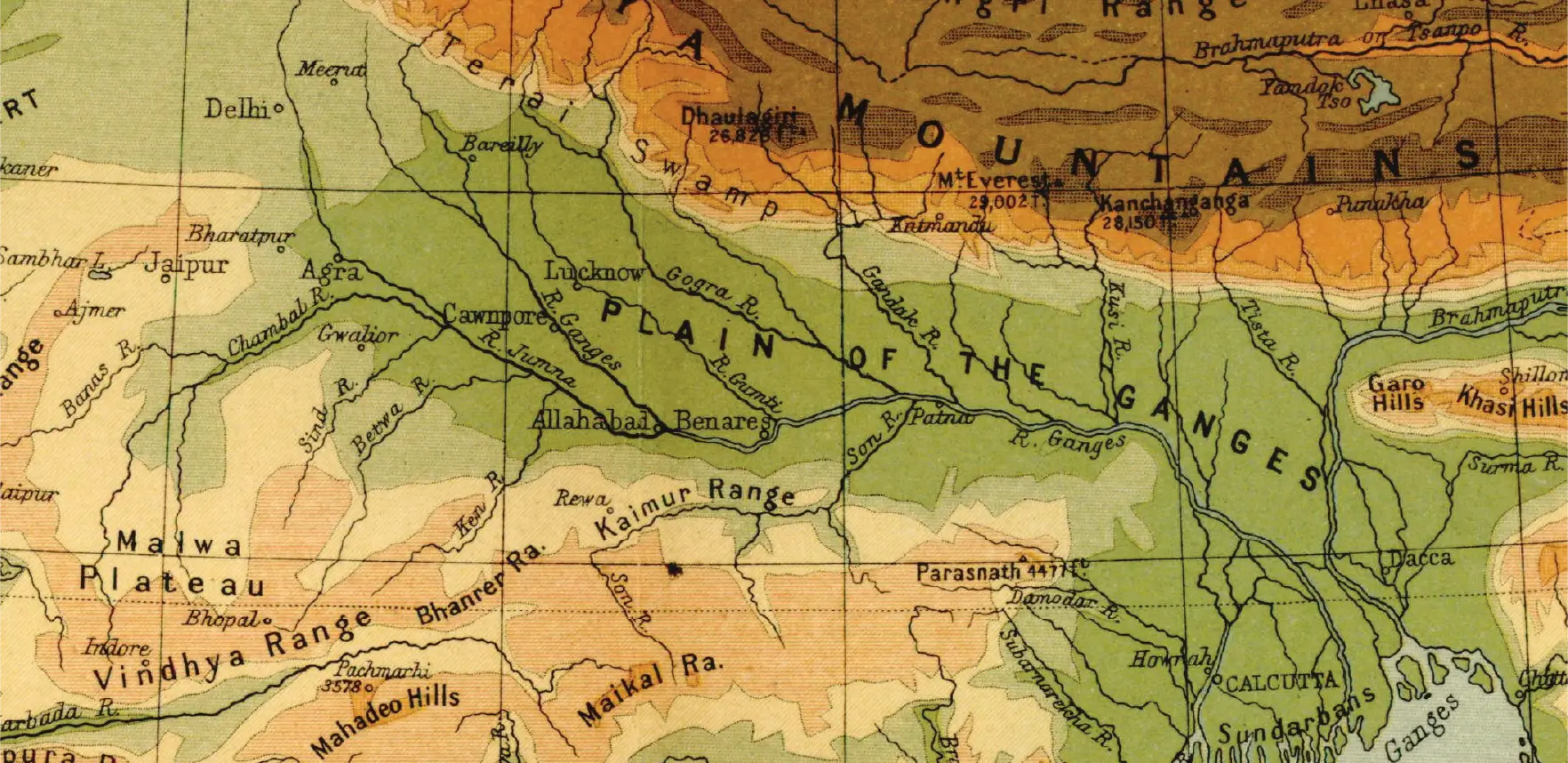
A 1908 map showing the course of the Ganges and its tributaries.

A 1908 map showing the course of the Ganges and its tributaries.

Her degradation is not only an environmental crisis—it is a social one. The same forces that poison her waters exploit the people who live along her banks. Dalits, fisherfolk, cremation workers, waste-pickers—they suffer first and are heard last. Their bodies carry the weight of pollution, while their voices are shut out of decisions. Social oppression and ecological destruction are twin wounds. Caste exclusion enables dumping; land grabs disguise themselves as development. Conservation that ignores justice only deepens harm.


Without equity, there is no sustainability. Without decolonisation, there is no true restoration. Without justice, there is no healing. And without her people, there is no Ganga.

KEEP READING

Inside the Aranyani Pavilion: Meet the Architects

ARANYANI PAVILION

From Introduction To Invasion: How Non-Native Plants Took Root In India’s Ecosystems

SACRED EARTH

Restoring The Earth’s Memory: The Decolonisation of Nature

SACRED EARTH