Our Work On The Ground

REWILDING, LIVELIHOOD, REGENERATION

Forest Futures: The Gothangaon Rewilding Model

LOCATION

Gothangaon Village Maharashtra

PARTNERS

Santuary Nature Foundation

The Gothangaon project, launched in 2015, marked the first step in testing a bold idea: could degraded farmland be rewilded in a way that benefits both people and biodiversity? Located on the edge of Maharashtra’s Umred Pauni-Karhandla Wildlife Sanctuary, this pilot COCOON Conservancy transformed over 100 acres of failing farmland into regenerating forest, while offering 37 families a viable alternative to unsustainable agriculture.

With support from Sanctuary Nature Foundation, the project replaced short-term farming income with compensation, homestay ownership, and new livelihood opportunities rooted in tourism and local enterprise.

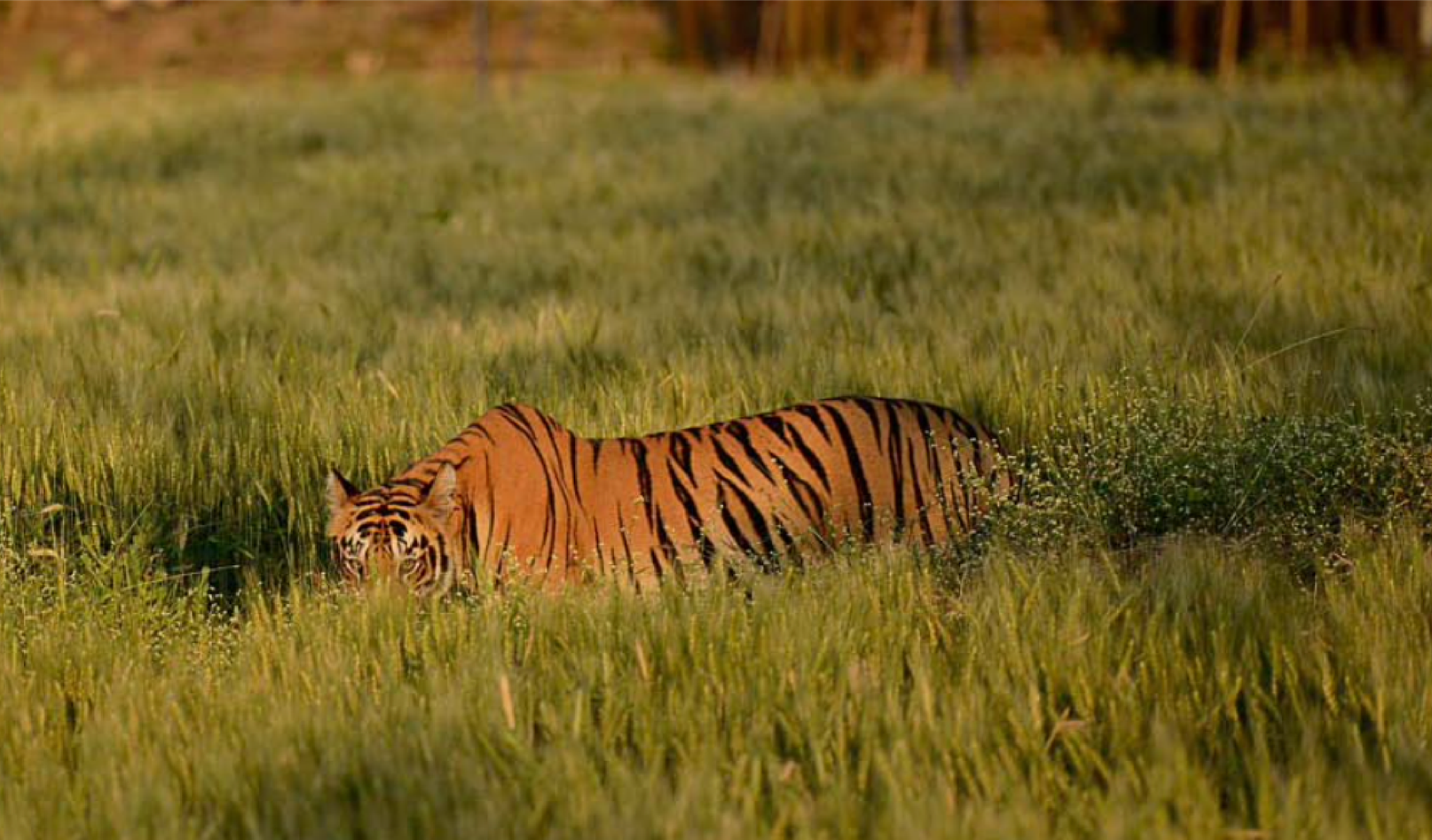
The results have been encouraging. Wildlife, including tigers, deer, monkeys, wild pigs, and a wide variety of birds, has begun to return to the regenerating landscape. Community-owned homestays have opened up new income streams, while training in tourism and craft-making has supported local employment.

With the project now managed independently by the village, Gothangaon offers a working example of how ecological restoration and economic resilience can grow side by side. It has also helped shape the direction of future COCOON Conservancies now underway across India—from the forests of Panna and Satpura to the grasslands of Dara and the wetlands of Chilika—each adapting the same core idea to its own unique landscape and community.

Scroll down for
the NEXT PROJECT

Environmental education

One Earth, Many Classrooms: The Ek Prithvi Assam Initiative

LOCATION

Assam

PARTNERS

WWF - India

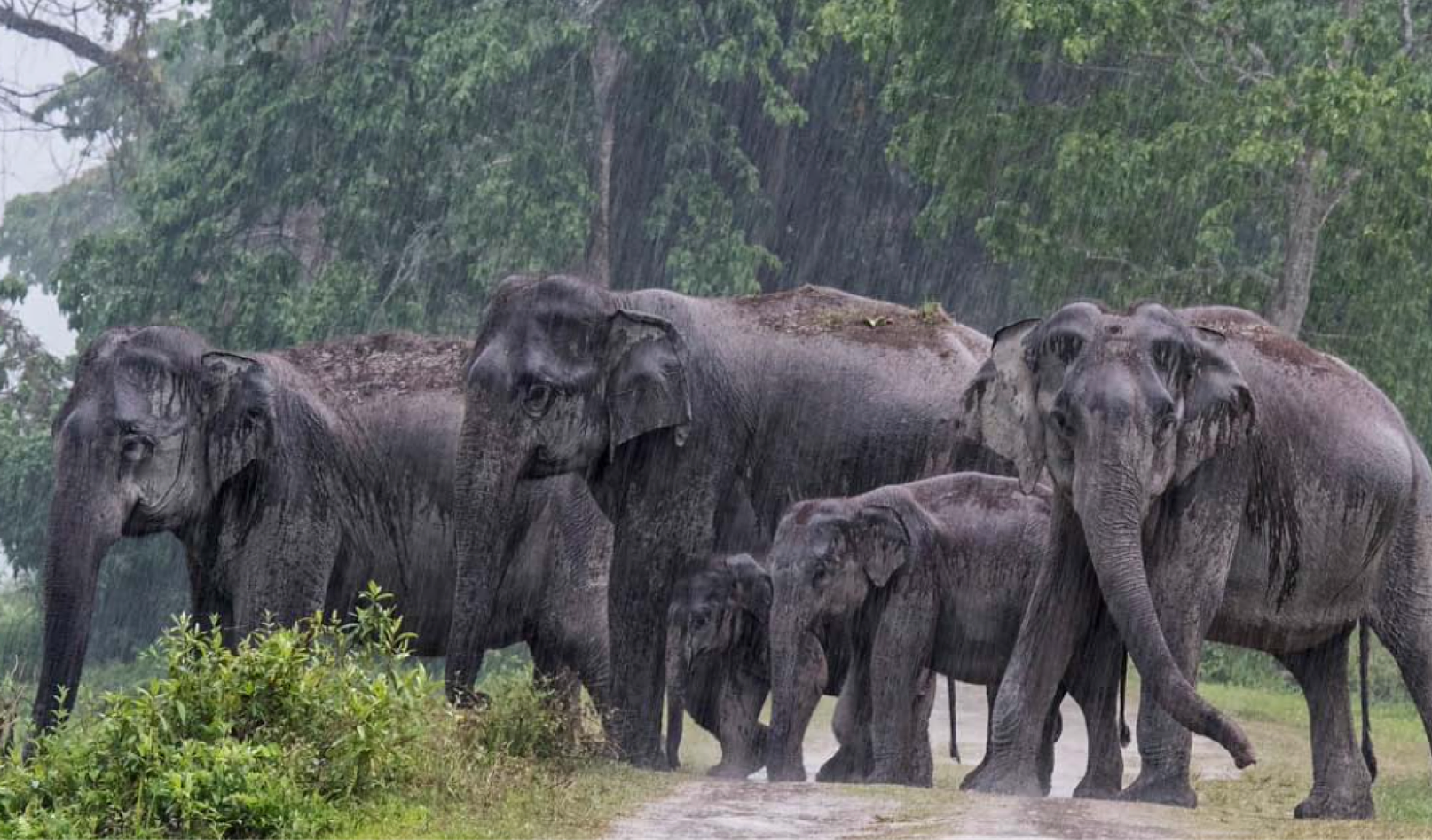
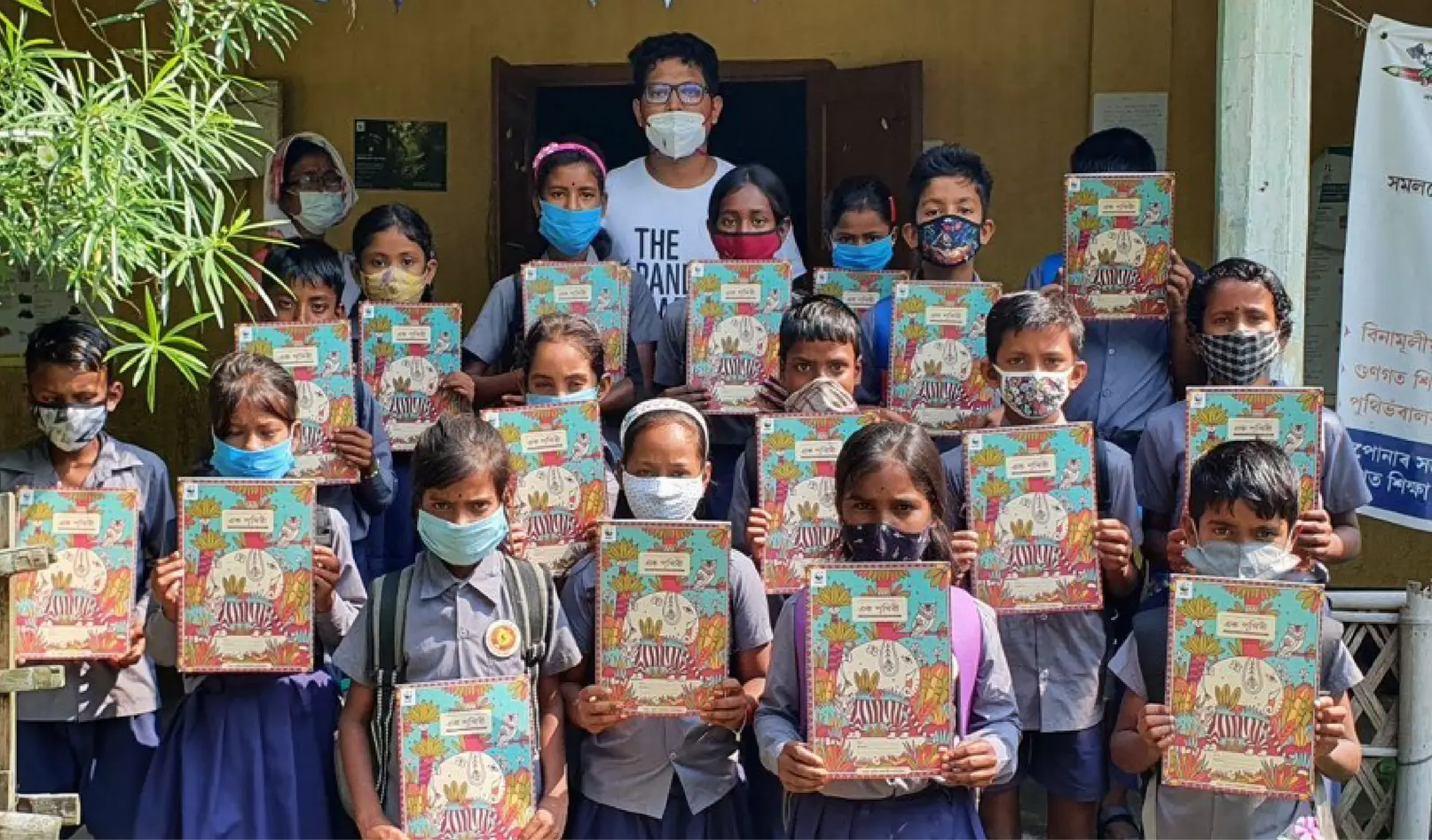
Launched in 2019, Ek Prithvi Assam set out to bring environmental education into everyday school life—starting with just three government schools near Pobitora Wildlife Sanctuary. The programme aimed to build conservation leadership among students through a whole-school approach that made environmental thinking part of how schools teach, learn, and operate.

Led by WWF-India in partnership with Assam’s education departments and supported by the Wild Blue Foundation, it quickly expanded to ten schools and later, through a digital version called Ekhon Prithvi Ekhon Ghor (One Earth One Home), reached over 42,000 schools across all 33 districts of Assam.

Centred on five key themes, water, waste, energy, biodiversity, and food, the programme combines classroom sessions with hands-on experiences like eco-trails, kitchen gardens, composting, and student-led campaigns.

Assamese-language workbooks, teacher guides, posters, and games developed by WWF-India helped schools integrate sustainability into their daily rhythm. Today, Ek Prithvi is a growing movement of students, educators, and communities working together to turn learning into action. With the launch of the Mission Prakriti Awards, the project continues to evolve, shaping a generation of environmentally conscious citizens across the state.

Scroll down for
the NEXT PROJECT

WATER CONSERVATION

Water First: A New Approach to Freshwater Conservation in India

LOCATION

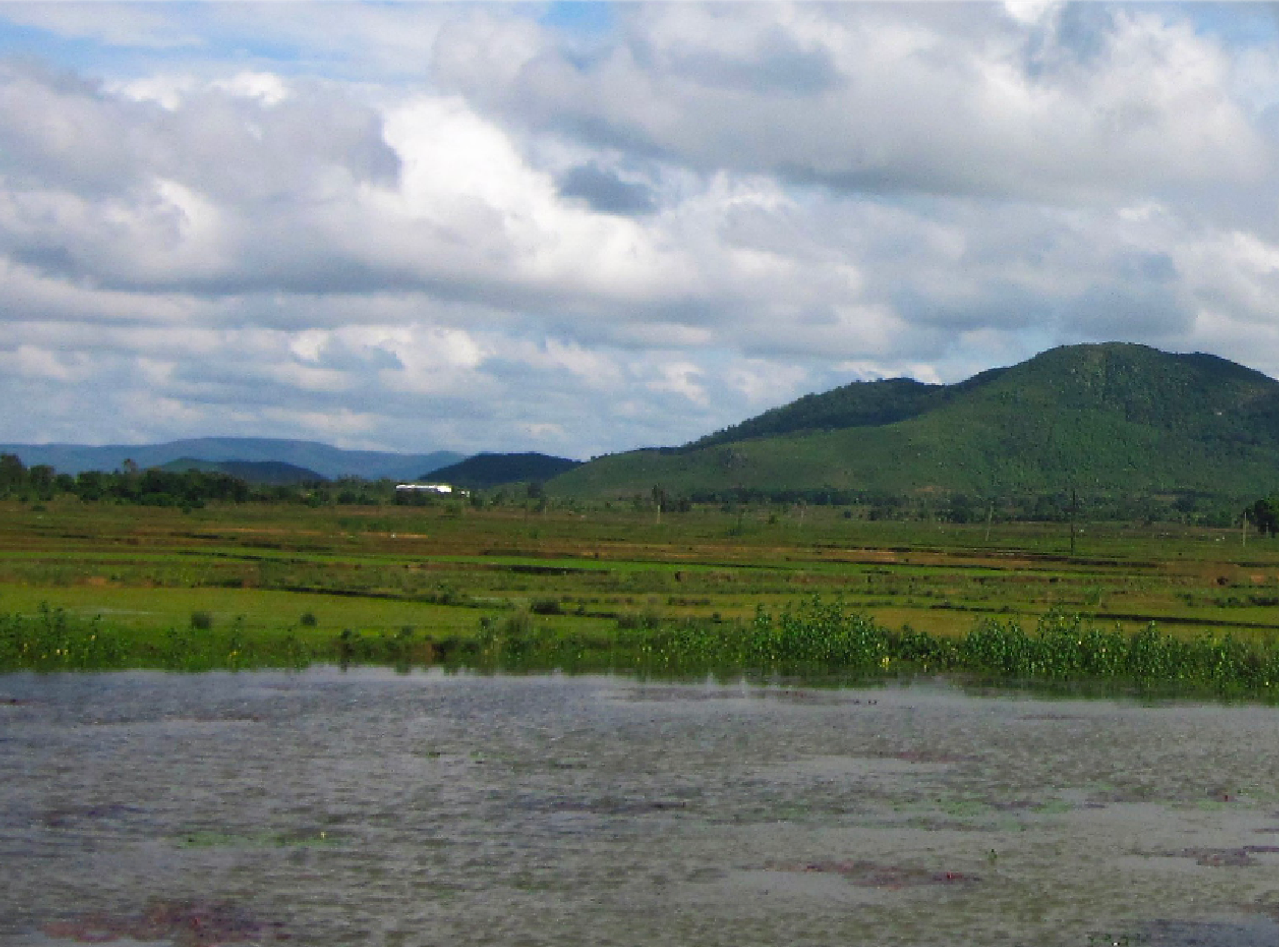
Upper Bhima Basin, Maharashtra

PARTNERS

The Nature Conservancy Centre (TNC India)

Across India, freshwater ecosystems are quietly reaching a tipping point. Rivers are shrinking, wetlands are vanishing, and aquifers are running dry—often faster than we realise. In response, The Nature Conservancy Centre (TNC India), with support from the Lal Family Foundation, launched a nationwide effort to figure out where water conservation is needed most—and how to act before it’s too late.

The Freshwater Prioritisation Project, which ran from 2020 to 2023, set out to build a practical, data-backed roadmap for protecting India’s most critical water ecosystems.

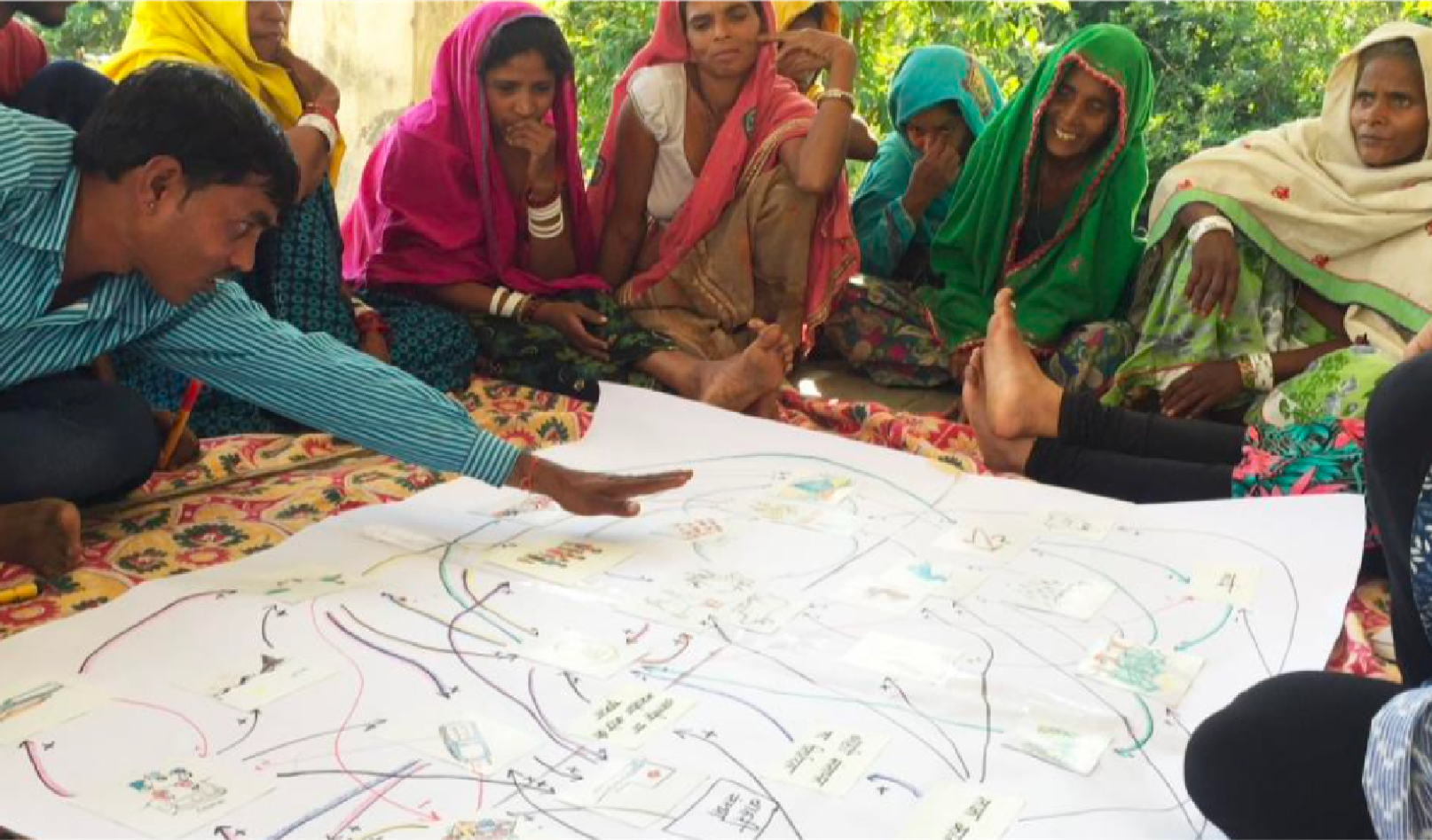
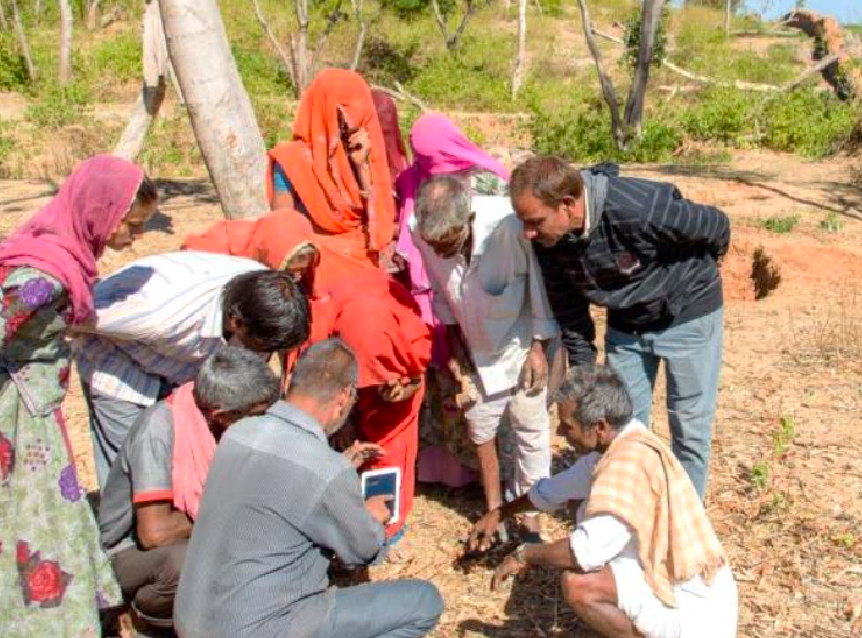
Through national-scale watershed mapping, policy analysis, and expert collaboration, the project identified areas where conservation could be most impactful. Its first on-ground demonstration took place in the Upper Bhima Basin in Maharashtra—an intensely used landscape facing growing water stress.

There, the team developed a region-specific action plan with input from over 20 local partners, focusing on restoring flows, managing competing demands, and building long-term water resilience. While Upper Bhima was the starting point, the framework is designed to scale offering a blueprint for freshwater protection across India’s river basins and wetland networks.


COMMUNITY-BASED CONSERVATION

Scroll down for
the NEXT PROJECT

WASTE MANAGEMENT

Cleaning the High Himalayas: Waste Warriors x Karvansarai

LOCATION

Uttarakhand and Himachal Pradesh

PARTNERS

Waste Warriors Society, Karvansarai Investments Pvt. Ltd., Lal Family Foundation

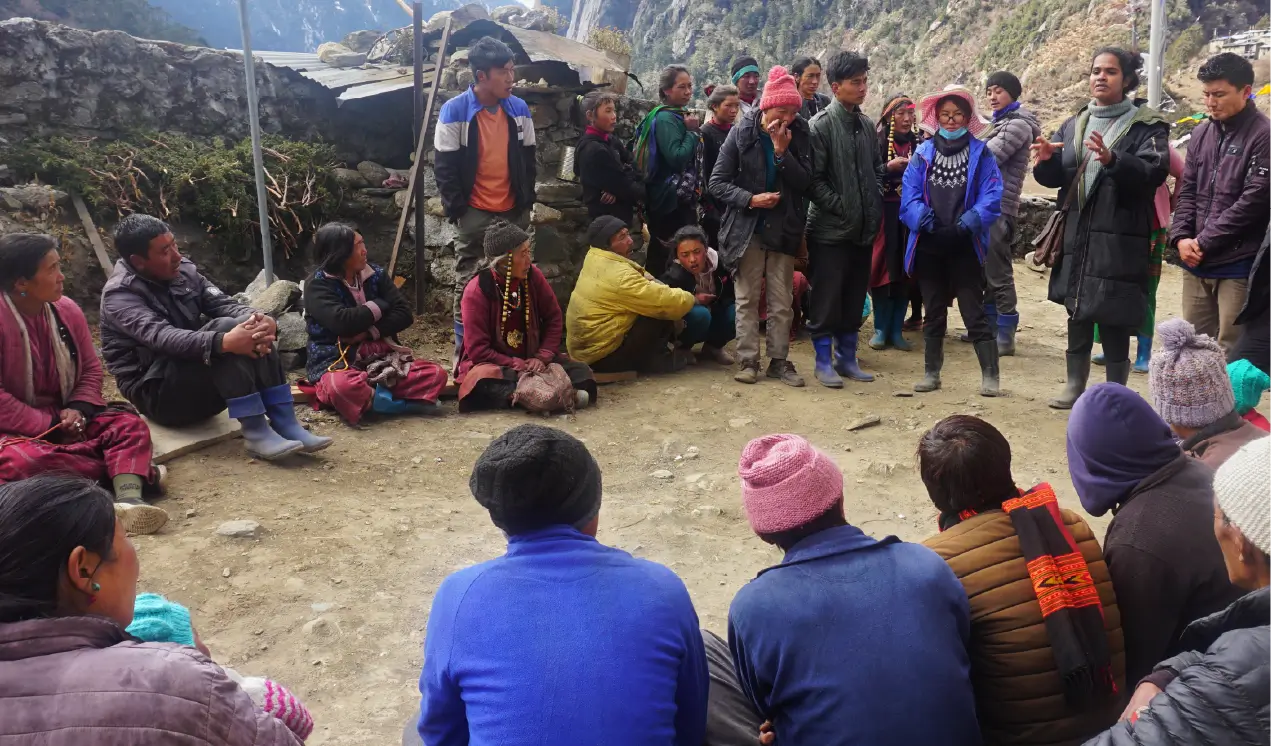
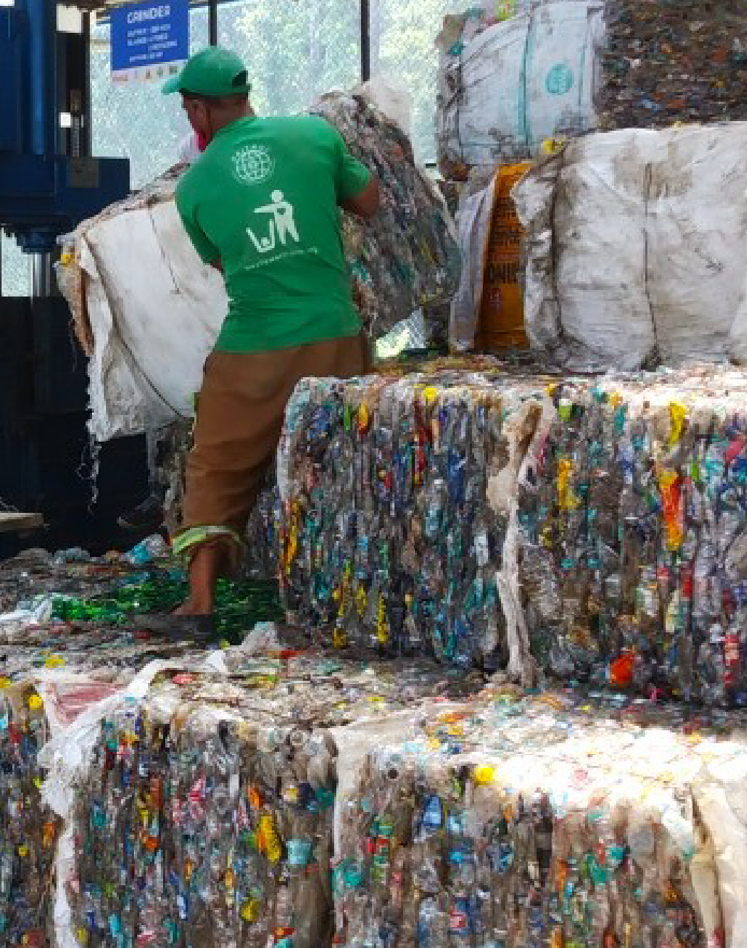
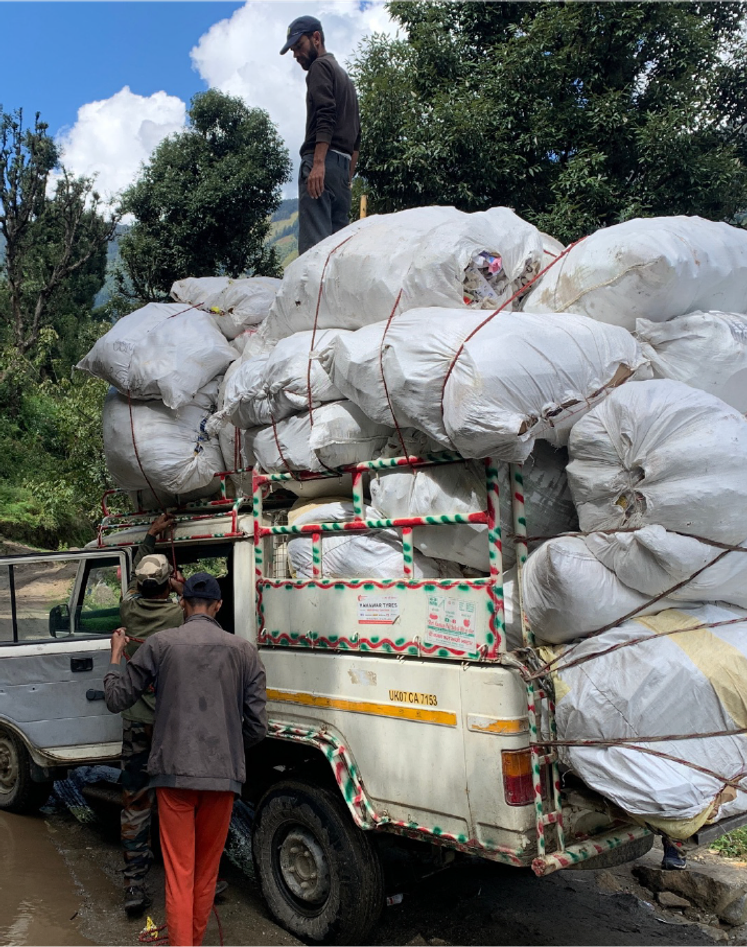
What happens when a landscape built over millions of years starts collapsing under the weight of a waste crisis? In the fragile Himalayan belt, Waste Warriors Society—supported by Karvansarai Investments and the Lal Family Foundation—is answering that question with action. Together, they are building community-led waste management systems across Uttarakhand and Himachal Pradesh, focusing on some of India’s most vulnerable and eco-sensitive regions where formal waste services have long been absent.


In the snow leopard habitat of Govind Wildlife Sanctuary, waste collection services have reached villages for the first time, diverting over 27,000 kilograms of waste from burning and dumping. In Dehradun’s Ward 97, an end-to-end system has achieved waste segregation rates of over 85%, creating a scalable model for other urban areas.

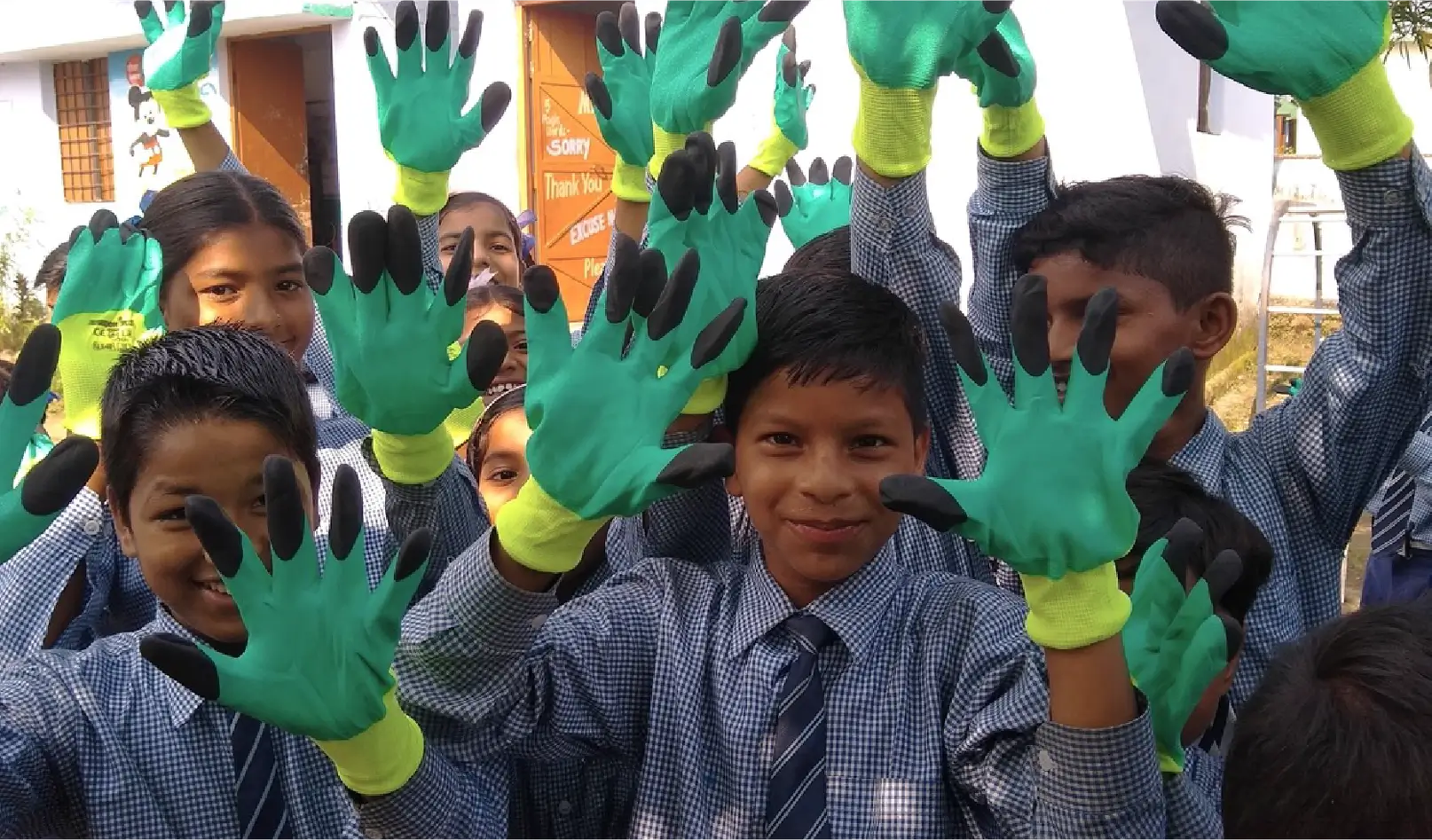
Beyond infrastructure, the project invests in people—training Green Workers in financial and digital literacy to build more resilient livelihoods. From the crowded trails of Manali to the forests of Corbett, this collaboration is not just managing waste, it’s helping communities reclaim the health of their mountains, rivers, and forests for the generations to come.

MORE PROJECTS

Forest Futures: The Gothangaon Rewilding Model

REWILDING, LIVELIHOOD, REGENERATION

Wellspring of Resilience: Project Revive Jaisalmer

WATER HERITAGE CONSERVATION

Restoring the Aravallis: Ecosystem Revival at RAAS-Chhatrasagar

Ecosystem Restoration