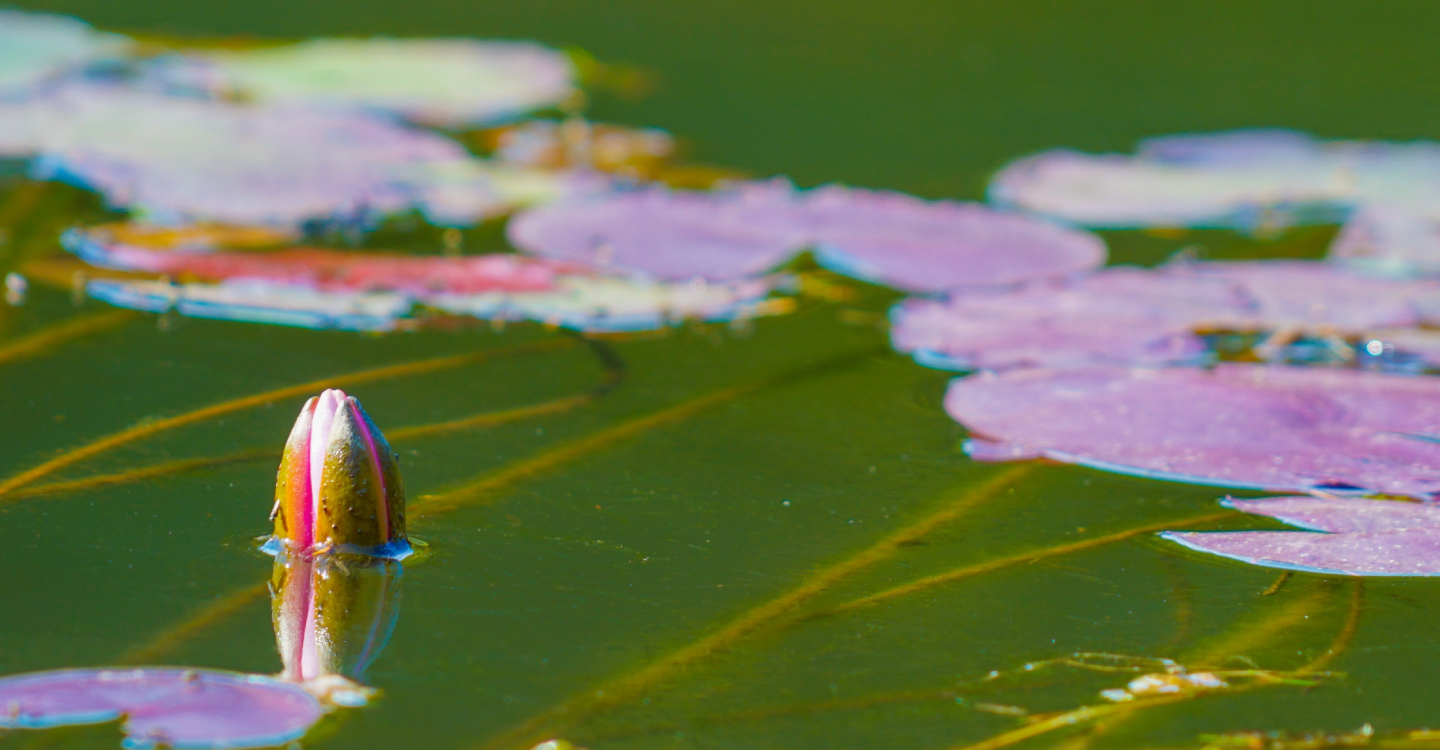
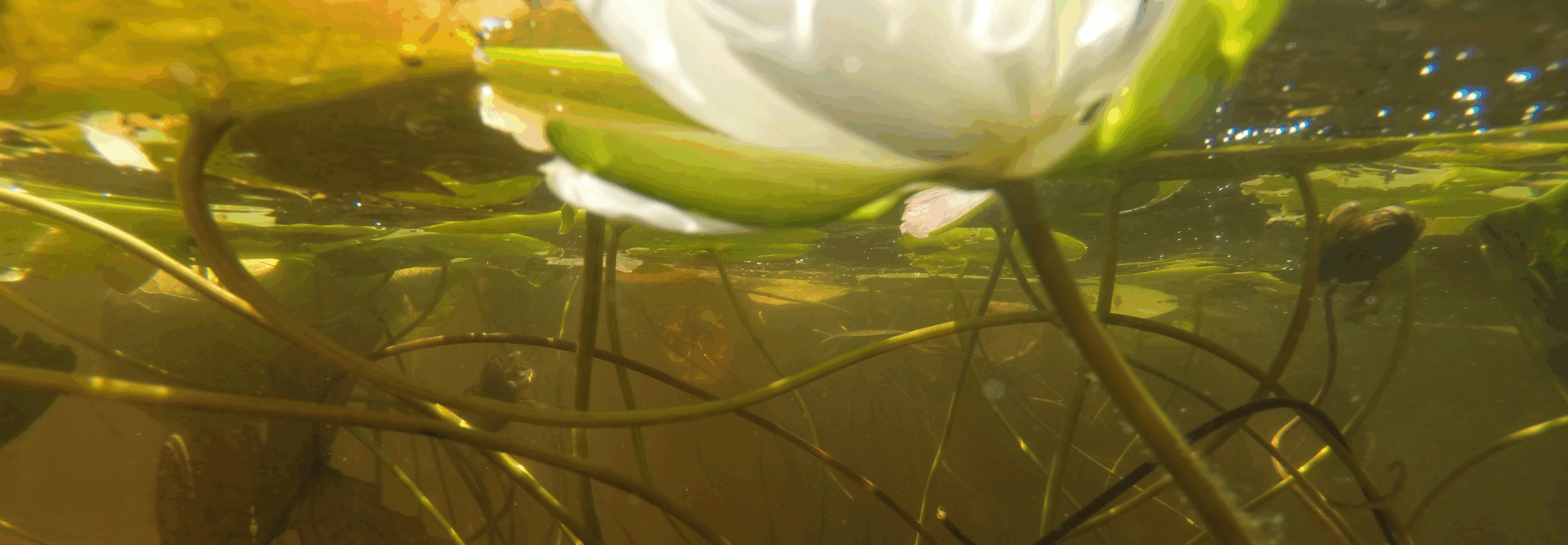
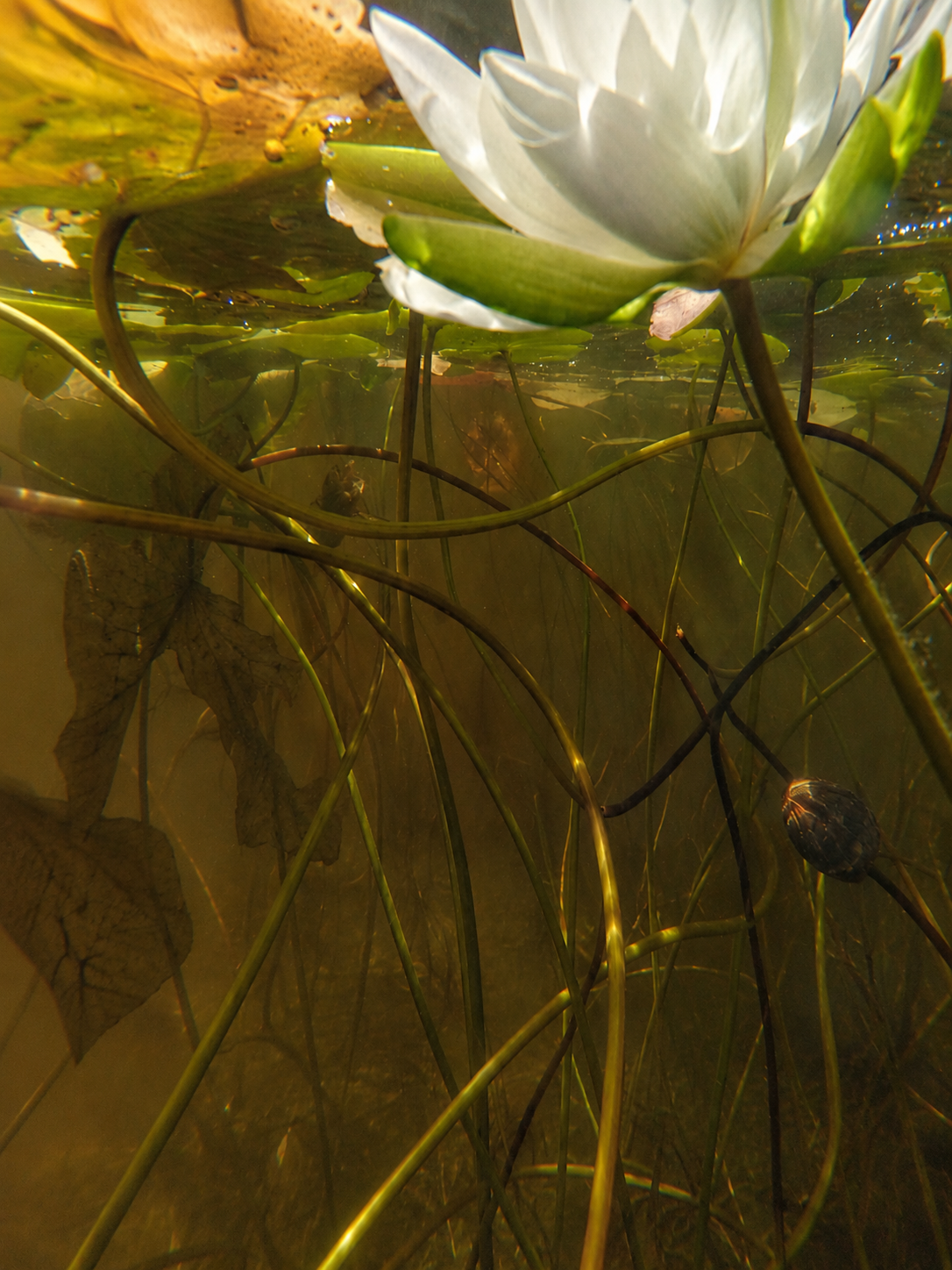
Across legend, mythology, and spiritual traditions, the feminine divine occupies liminal spaces—thresholds and transitions. The mangroves embody this energy, serving as a real-world home for the unseen but ever-present feminine force.
Mangroves are where tides move like ribbons against waterlogged banks of black soil that preserve fossils, and thick canopies root like snorkels, entwining and breathing underwater.
Across the world’s mangroves, women appear in stories—surviving even as colonialism tried to erase them.
In West Africa, Nanã Buruku is the oldest orixá, older than thunder or the ocean. She rules deep water and mud where life and death mix, ensuring the mangroves flourish. Her legend crossed the Atlantic during the Middle Passage to Brazil and Cuba, surviving in art, music, and prayer despite colonial erasure.
In ancient Egypt, two figures are tied to the wetlands. Heqet, the frog-headed goddess of transformation, appeared with the Nile’s annual flood, symbolizing destruction and creation. Anuket, from Nubia, ruled the First Cataract—the wild, dangerous stretch of the Nile that fueled the fertile delta. Together they ensured Egypt’s survival, honored with offerings for renewing the black soil.
But colonial powers saw only farmland, not sacred ground. They drained the wetlands for cash-crop production and dam construction, and changed the river forever.
In the subcontinent, the dense Sundarbans that defy modern borders and religion and spill into the Bay of Bengal are home to the spirit Bonobibi – the forest mother. Her story blends Hindu and Sufi roots. She protects anyone who braves the jungle, as long as they respect the land and its tigers. Boatmen, woodcutters, honey collectors, and fishermen still visit her temples, hoping for protection.
Colonial developers cleared much of these sacred forests for timber. Today, Bonobibi’s Sundarbans are among the most climate-vulnerable jungles, disappearing as tidal surges deepen and islands sink.
In the vibrant estuaries of precolonial Mesoamerica lies Alchiuhtlicue, a goddess of freshwater, adored by the Aztecs. In their cosmology, Alchiuhtlicue is believed to have wept until her tears flooded the world, swallowing it and turning people who worshipped her into fish, ushering in a new era.
When the Spanish arrived at Aztec shores in the 1500s, they burned her temples and codices that spoke of her and the sacred basin that she was the ruling deity of was drained and turned into what is now the modern metropolis of Mexico.
Not all these spirits are gentle. Some are malevolent beings turned into warnings.
In Slavic folklore, the Bolotnitsa wasn’t your friend; she was a beautiful maiden who lured children into the bog before transforming into a terrifying demon when it was too late for them to escape. In the icier wetlands in the north, the terrain is extremely treacherous, freezes over for months on end, and is filled with deep mud that can collapse into sinkholes, with deceptive, fairy-tale-esque frost-covered surfaces. These marshes could swallow not only children but also enormous creatures like horses and cattle whole, without leaving a trace of their disappearance. Draining and peat extraction have erased both the land and her story from memory.
The Scottish Highlands are inhabited by the Fideal, a fuath, a vicious water sprite waiting to pull intruders under the surface of the water. Local legends warned people to respect the land or risk a watery end.