Sacred EARTH

Cows, Celestial Cycles, and Vedic Agroecology

PUBLISHED

June 6, 2025

WORDS

Chetna Chopra

We often time our lives with the moon—scheduling haircuts during the waxing phase, planting intentions under a full moon. But for our ancestors, the moon was far more than a symbolic guide; it was a literal calendar for agriculture. Every phase, every lunar mansion, held meaning. These celestial rhythms, woven into Vedic agroecology, shaped a farming system that honoured the Earth and sky alike. And at the heart of this system stood Kamadhenu, the divine cow, embodying the regenerative essence of both soil and spirit.

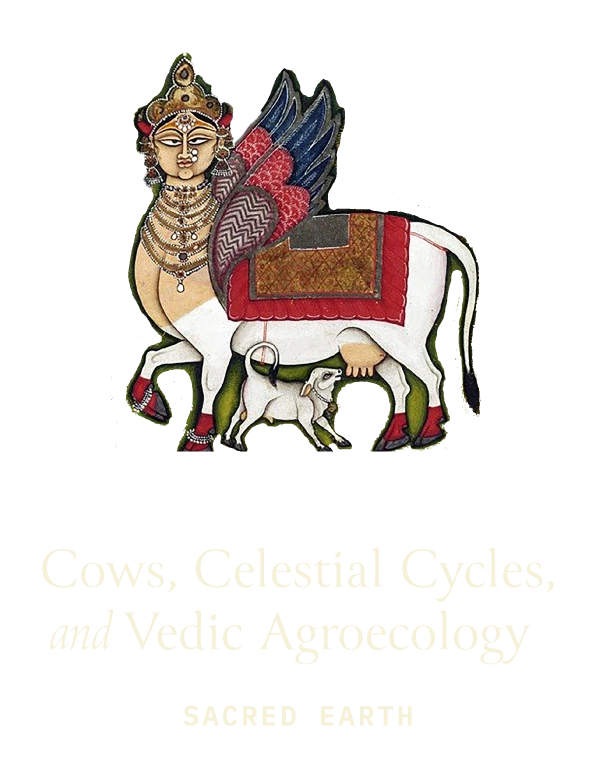
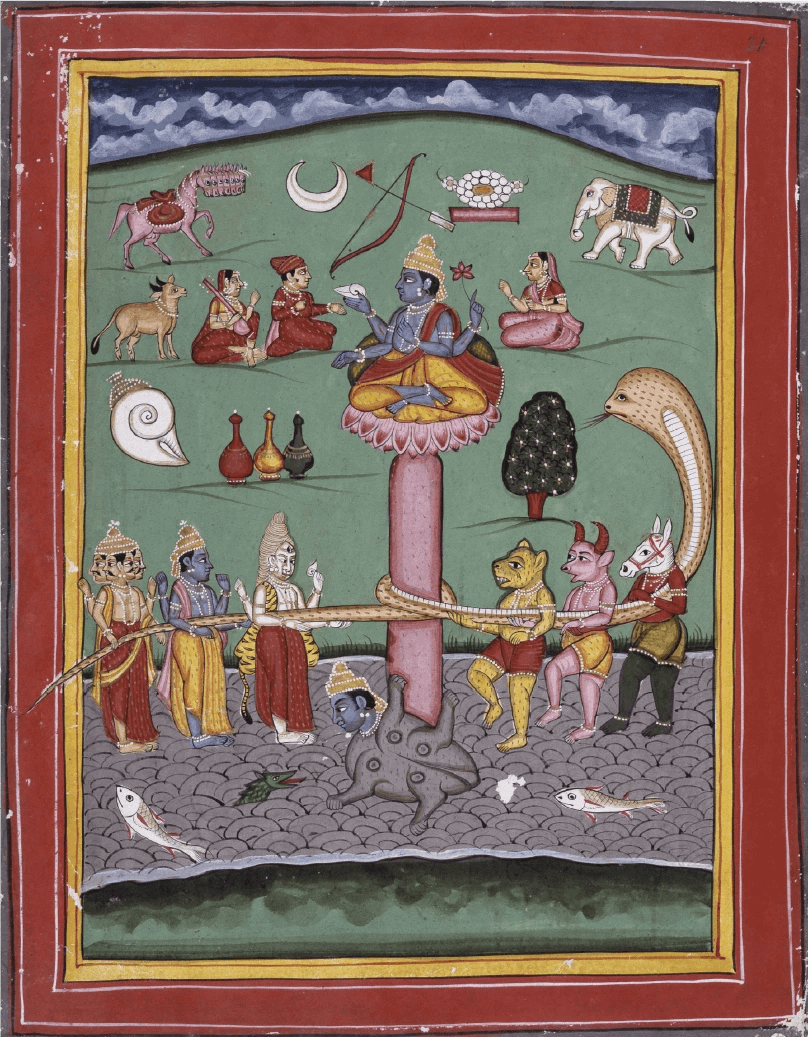
Long ago, when gods and demons sought immortality, they joined forces to churn the great Ocean of Milk. With a mountain as their rod and a serpent as their rope, they stirred the cosmic sea, unleashing wonders and chaos alike. From its depths rose treasures, poisons, and divine beings. Among them emerged Kamadhenu, the gentle, glowing cow of plenty — not with thunder, but with grace. She gave without demand—milk, nourishment, and the sacred essence of life—long before the nectar ever reached a god’s lips.

Kamadhenu emerged from the Samudra Manthan not merely as a divine cow — she was a living embodiment of the Earth’s regenerative power. Her presence signified the importance of the cow in the Vedic worldview: not only as a domestic animal but as a spiritual and ecological cornerstone.

Kamadhenu emerged from the Samudra Manthan not merely as a divine cow

she was a living embodiment of the Earth’s regenerative power.

Kamadhenu (left, 2nd from top) depicted in a scene of the Churning of the Cosmic Ocean

Our ancestors found a way to forge a deep connection with the universe. They understood early on that if they cared for Mother Earth, the rewards — abundance and enriched soil — would be priceless. The rhythms of nature were considered to be cosmic intelligence. Star patterns revealed secret signs and messages privy only to those who gazed at them with intent. Before the plow kissed the earth, and before fire met seed, there was only rhythm — the moon’s soft pull, the breath of the land, the whispering orbit of time.

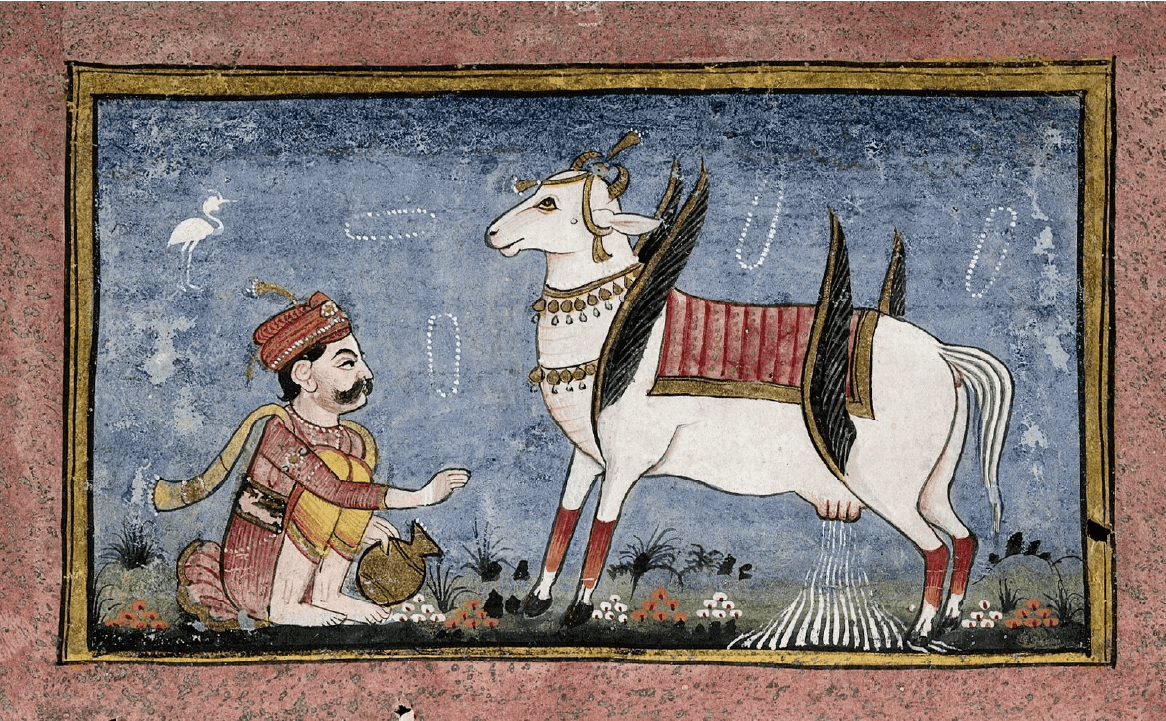
A king kneeling before Kamadhenu from Nanda and Mukunda, Koka-sara.

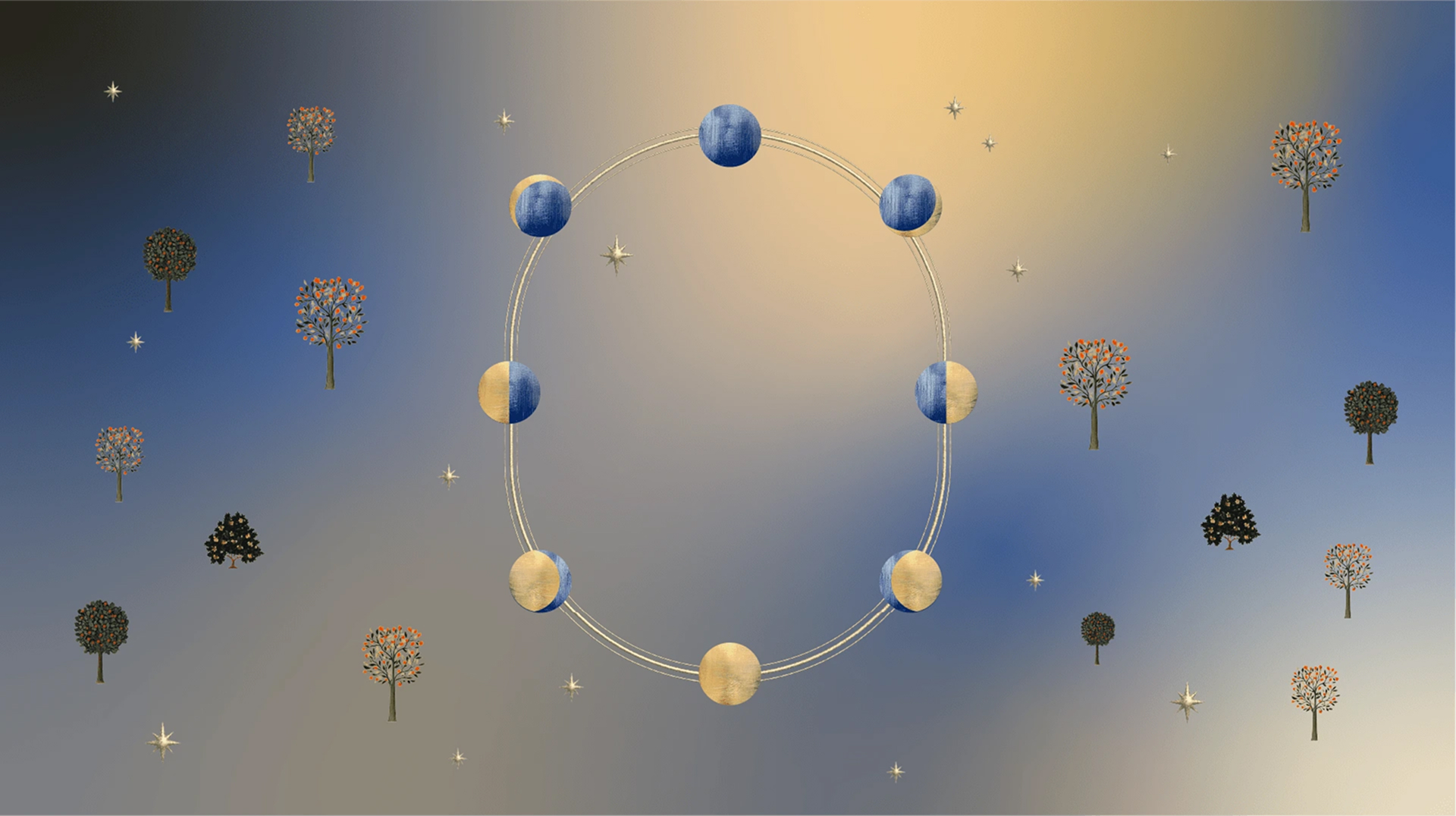
In Vedic agroecology, farming was intimately connected to the lunar phases. Our ancestors looked at the moon for signs as much as the monsoon clouds. The Vedic month was divided into: Shukla Paksha (waxing moon) — from new moon to full moon and Krishna Paksha (waning moon) — from full moon to new moon.

Moon gravity affects soil moisture and plant fluids. The waxing moon associated with growth and vitality, is an ideal period to sow seeds or transplant, whereas the waning phase is better for weeding or pruning. Harvest was done during the krishna paksha, close to the amavasya (new moon), when plants were considered to have lower water content and were easier to dry and store. Both solar and lunar eclipses were deemed inauspicious for all farming tasks.

Position of the Hindu Mandala Nakshatra according to the coordinates specified in the Suria-siddhanta

Nakshatras are the moon’s secret resting places. The 27 nakshatras are like cosmic shrines scattered across the sky. The moon — a celestial guest in a divine home — wanders night by night visiting one nakshatra after another. By observing the moon’s movement through these nakshatras, farmers decide when to sow, irrigate, transplant, harvest, or rest.


Each nakshatra carries a unique energy — linked to one of the five elements (earth, water, fire, air, or ether) — and influences the growth patterns of different crops. Earth and Water nakshatras favor planting root vegetables and leafy greens. Fire nakshatras support flowering and fruit-bearing crops.

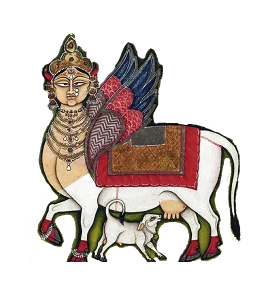
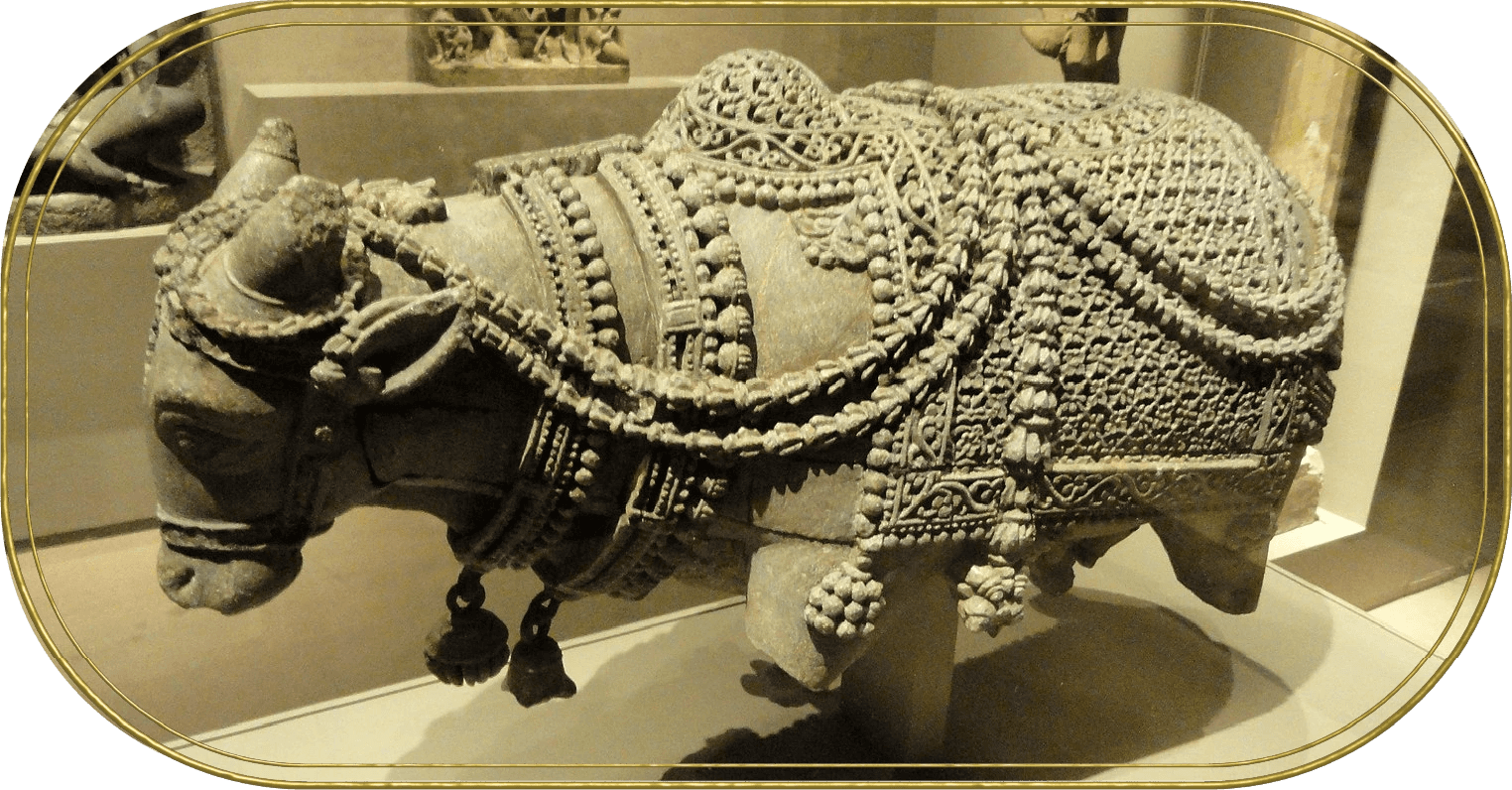
Kamadhenu, the Wish-Granting Cow, South India possibly Karnataka, 15th to 17th century

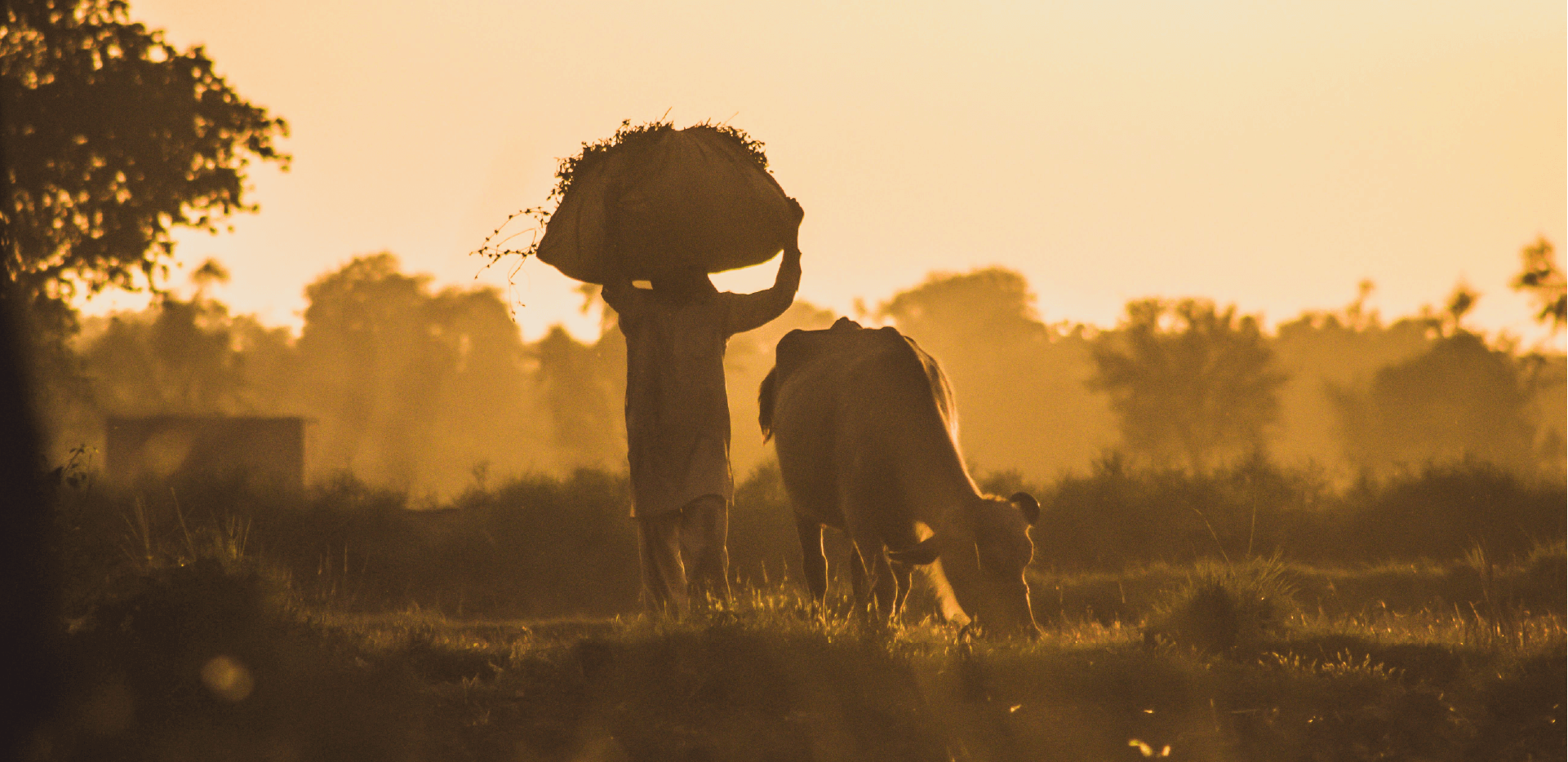
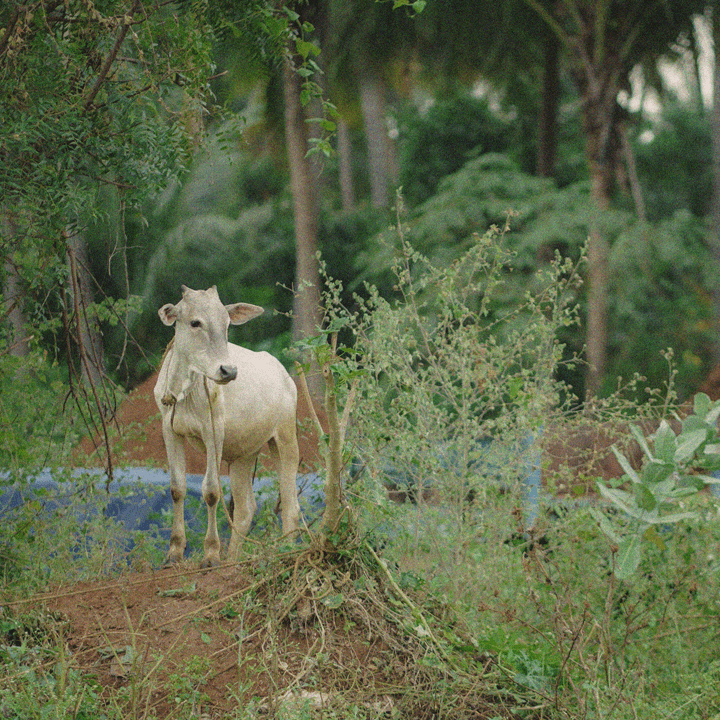
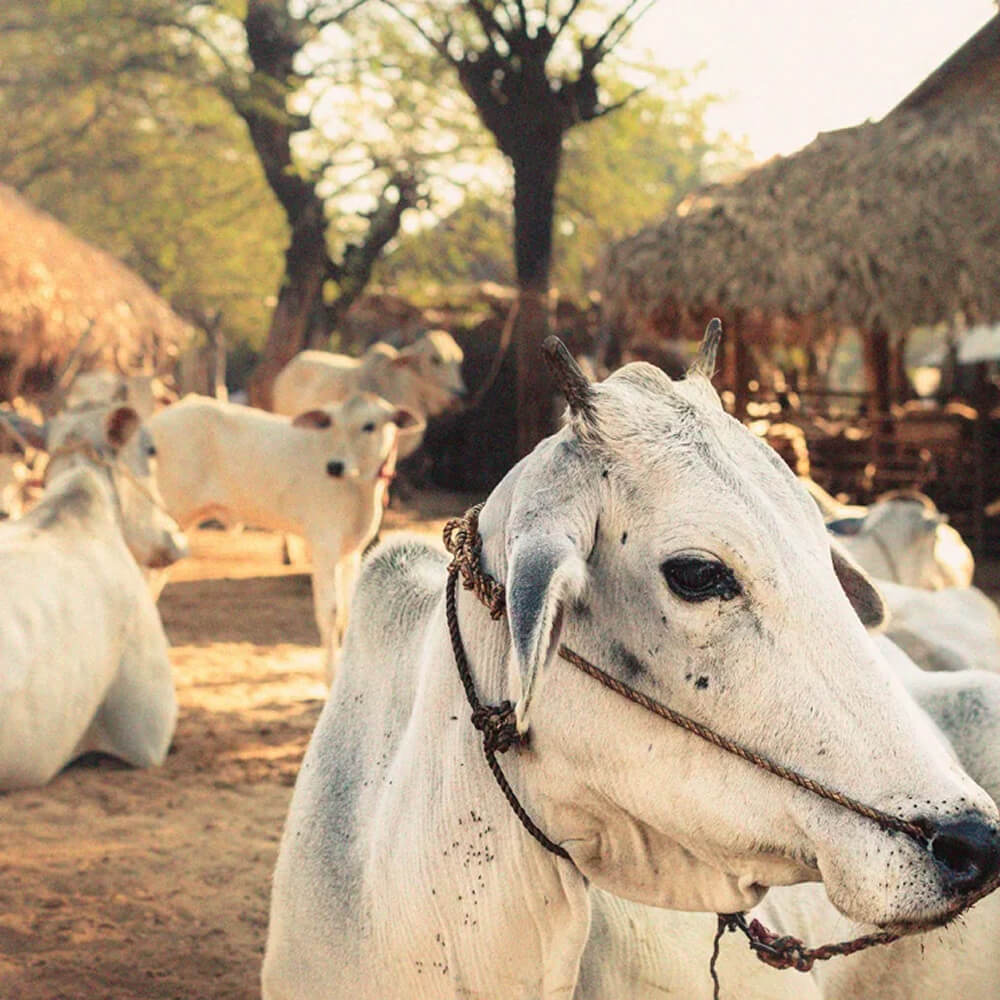
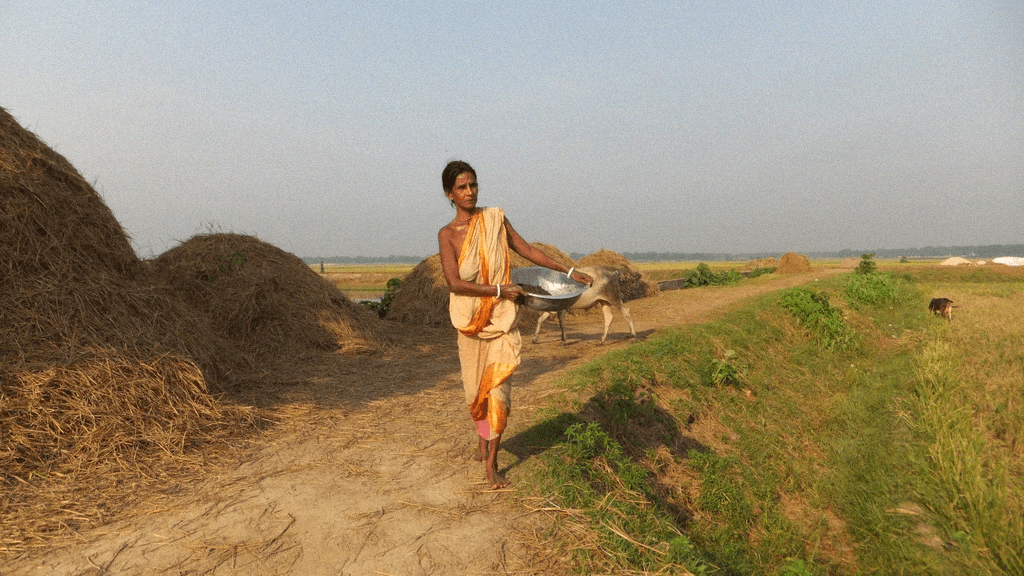
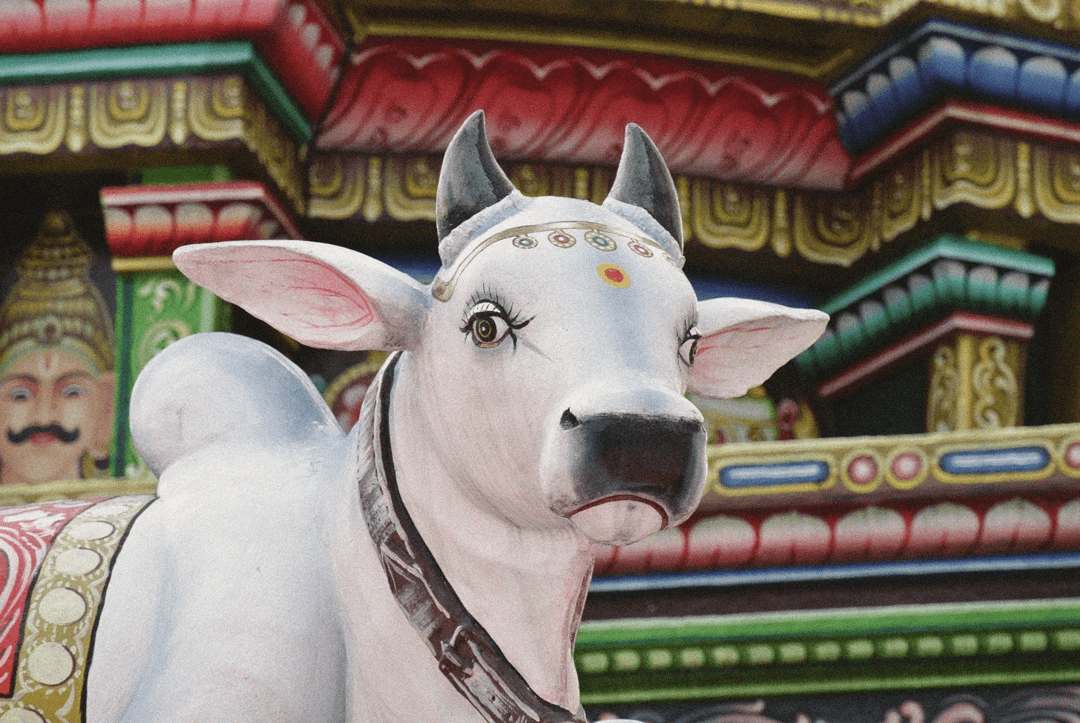
Cows have long been a living phenomenon in Indian culture. The foundation of agrarian life — she is the sacred provider and nurturer. From milk and butter to dung for fuel and fertilizer; they are treasured for everything they confer. Symbolizing earth’s fertility, the cow is considered to be a goddess, and her dung a divine blessing.


A famous Rig Veda hymn sings: “The cows have come and have brought us good fortune… May they stay contented in our stall and bring forth calves for us. You make the weak strong and the unlovely beautiful; you enrich our homes, O cows!”

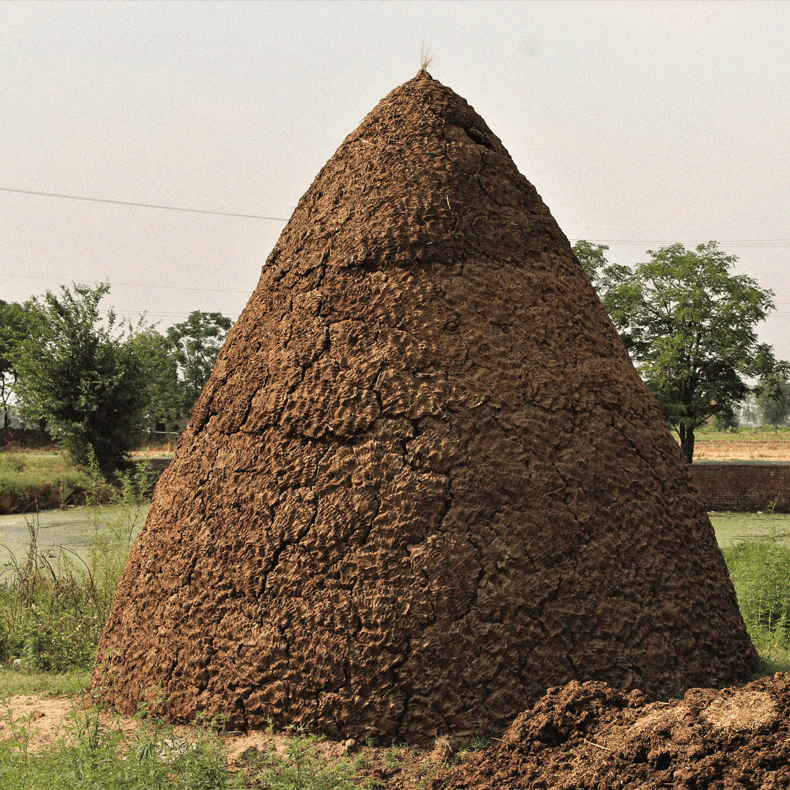
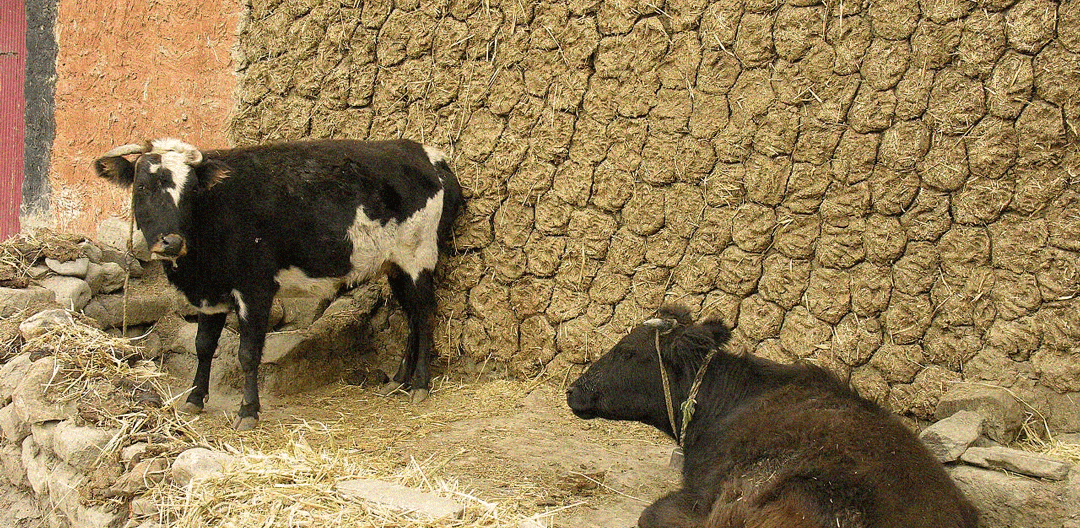
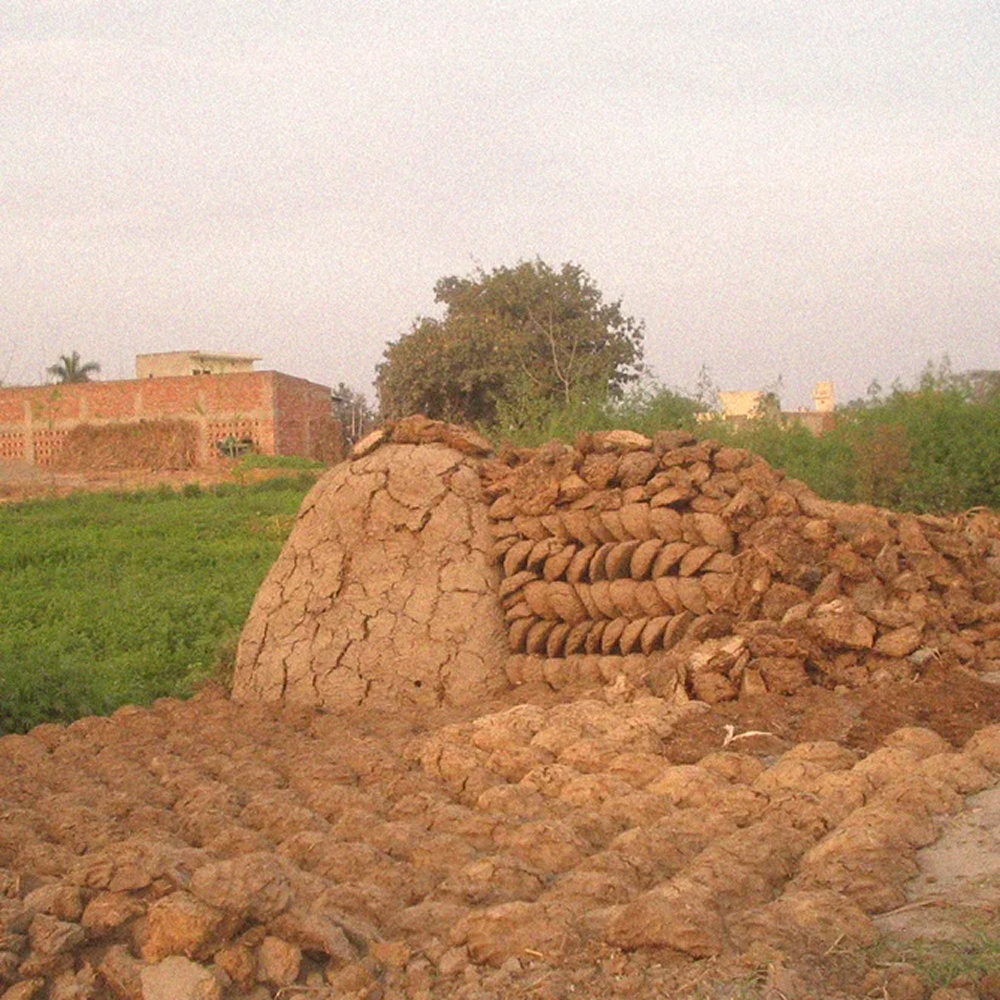
Cow dung has been an integral part of day-to-day life in villages. It served as a natural fertilizer, enriched compost, and pesticide, and maintained soil moisture. Dried dung was used as fuel for cooking fires, plastered onto walls and floors for insulation, and applied to homes for its disinfectant properties. Modern studies confirm its antifungal and antibacterial effects.


At the heart of Vedic farming was panchagavya — a sacred blend of five cow-derived substances: manure, urine, milk, curd, and ghee. Together, they formed what we like to call the cosmic compost — a living fertilizer that not only nourished the soil but sanctified it.

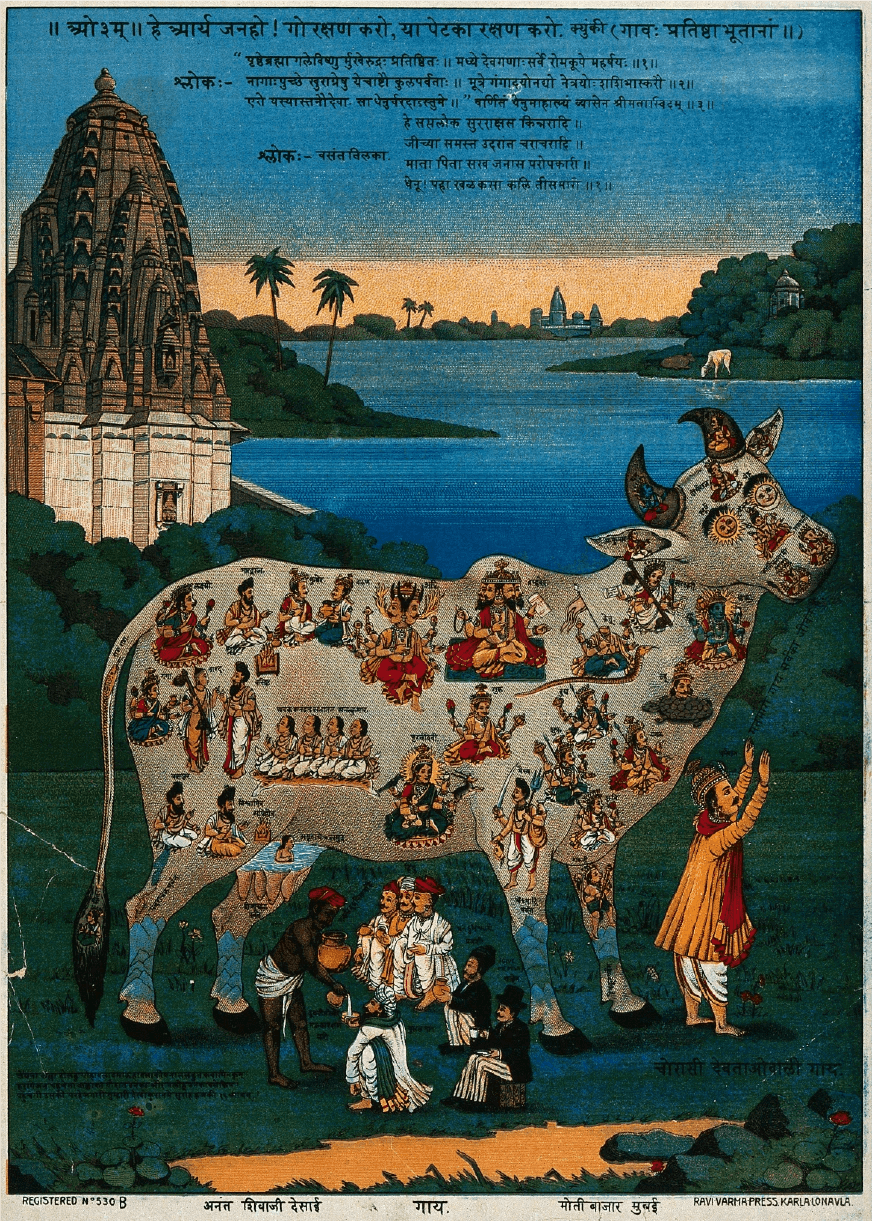
The cow personified as world mother, a symbol of selfless giving.

Farmers performed rites like yajñas (sacrificial fire ceremonies) to invoke favourable weather. One such ritual still practiced is agnihotra; described in the Atharva Veda as an act of purifying the atmosphere. Today farming communities perform agnihotra in their fields, believing the ash and vibrations will nourish the soil and ward off pests.

Even today indigenous tribes respect ancestral and plant intelligence. They acknowledge that the purest form of worship is the respect for nature. Healing the earth with astrological sowing and planting calendars is a part of the norm in many communities around the world. Rudolf Steiner’s “biodynamic farming” practices — observed worldwide —mirror Vedic agroecology. One of the main characteristics of biodynamic farming are the esoteric manures. The sacred manure preparation—cow dung buried in a horn through winter—awakens the soil and deepens the bond between earth and plant. Its counterpart, horn silica, made with summer-buried quartz, enhances plant vitality and fortifies crops.

KEEP READING

Inside the Aranyani Pavilion: Meet the Architects

ARANYANI PAVILION

From Introduction To Invasion: How Non-Native Plants Took Root In India’s Ecosystems

SACRED EARTH

Restoring The Earth’s Memory: The Decolonisation of Nature

SACRED EARTH