Mawphlang: The Forest that Remembers
Our journey into the soul of Mawphlang and the power of sacred groves
PUBLISHED
June 27, 2025
WORDS
Ishani Singh
PHOTOGRAPHY
Aradhana Seth
“The forest watches over itself,” Born, our Khasi guide, said softly, his voice threaded with reverence and quiet pride. “If you respect it, it will never harm you.” His words weren’t a warning. They were an understanding—ancient, unspoken, and deeply felt. A truth that lived not in rules, but in a relationship that was deeply rooted in the rhythms of the land.

With a quick smile and quiet authority, Born moved through the grove as someone who belonged. He had walked these paths many times, yet spoke of them as if seeing them anew—always listening, always learning. He had that rare mix of being funny without flippancy, and wise without weight.
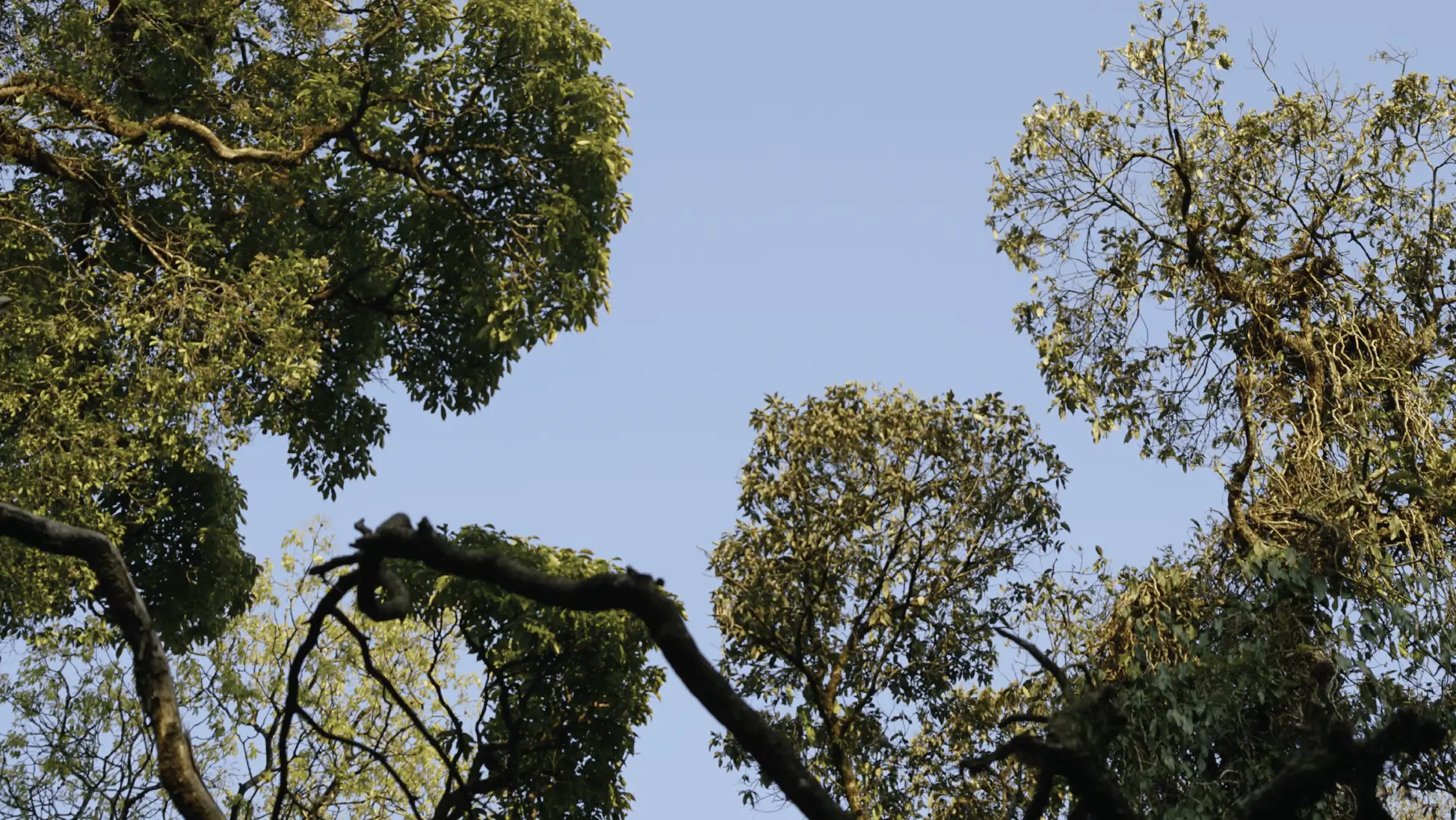
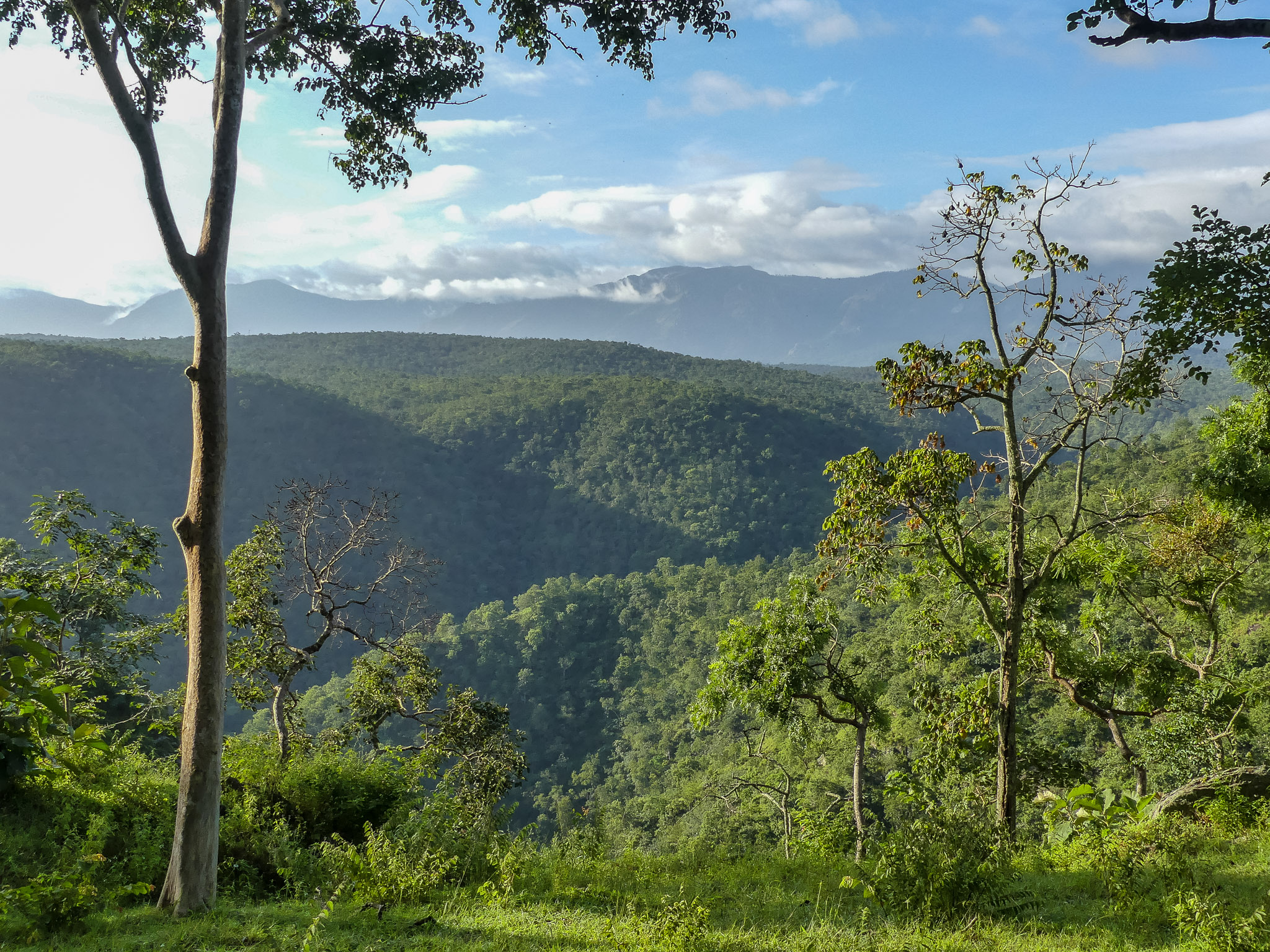
In the folds of Meghalaya’s East Khasi Hills lies something both ancient and alive: the Mawphlang Sacred Grove. Across India, sacred groves are pockets of forest preserved by indigenous communities through ritual and reverence.
They serve as both ecological sanctuaries and living altars, where nature and spirit entwine. Trees are never felled. Leaves are never taken. The forest thrives—not by state protection, but through belief. It lives because it is revered.
What makes Mawphlang extraordinary is its scale and continuity. At 192 acres, it is one of the largest and longest-protected sacred groves in the world—safeguarded for centuries by the Khasi community through a covenant of care, not enforcement.
FOR US AT ARANYANI, MAWPHLANG IS A REMINDER THAT CONSERVATION IS NOT NEW—IT IS ANCIENT. LONG BEFORE ECOLOGY HAD A NAME, INDIGENOUS WISDOM PRACTICED DEEP STEWARDSHIP.
The Khasi belief that the forest is alive and watchful echoes our own: that reverence can be more powerful than regulation. These groves are not just preserved—they are lived in, loved, and remembered.
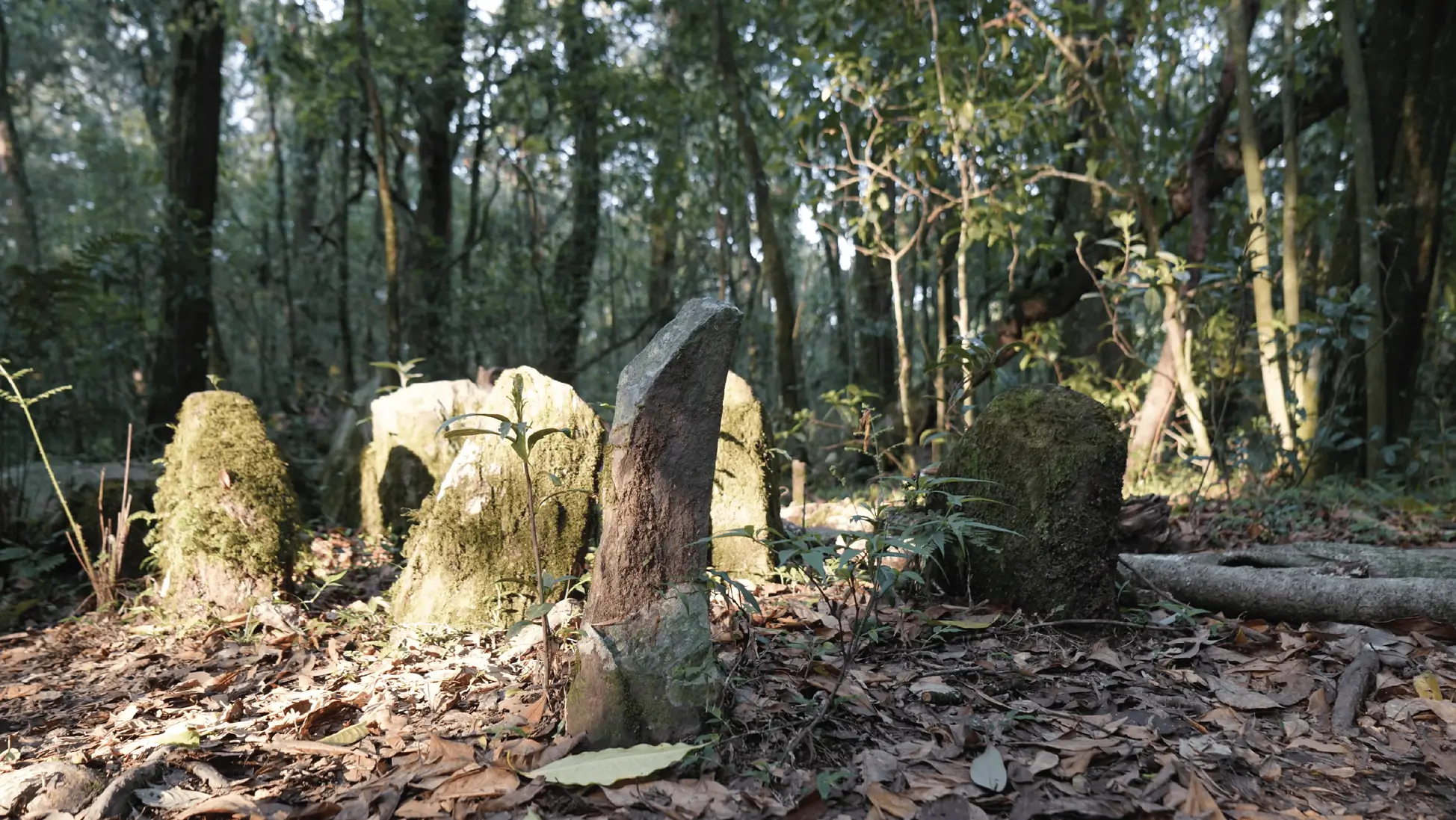
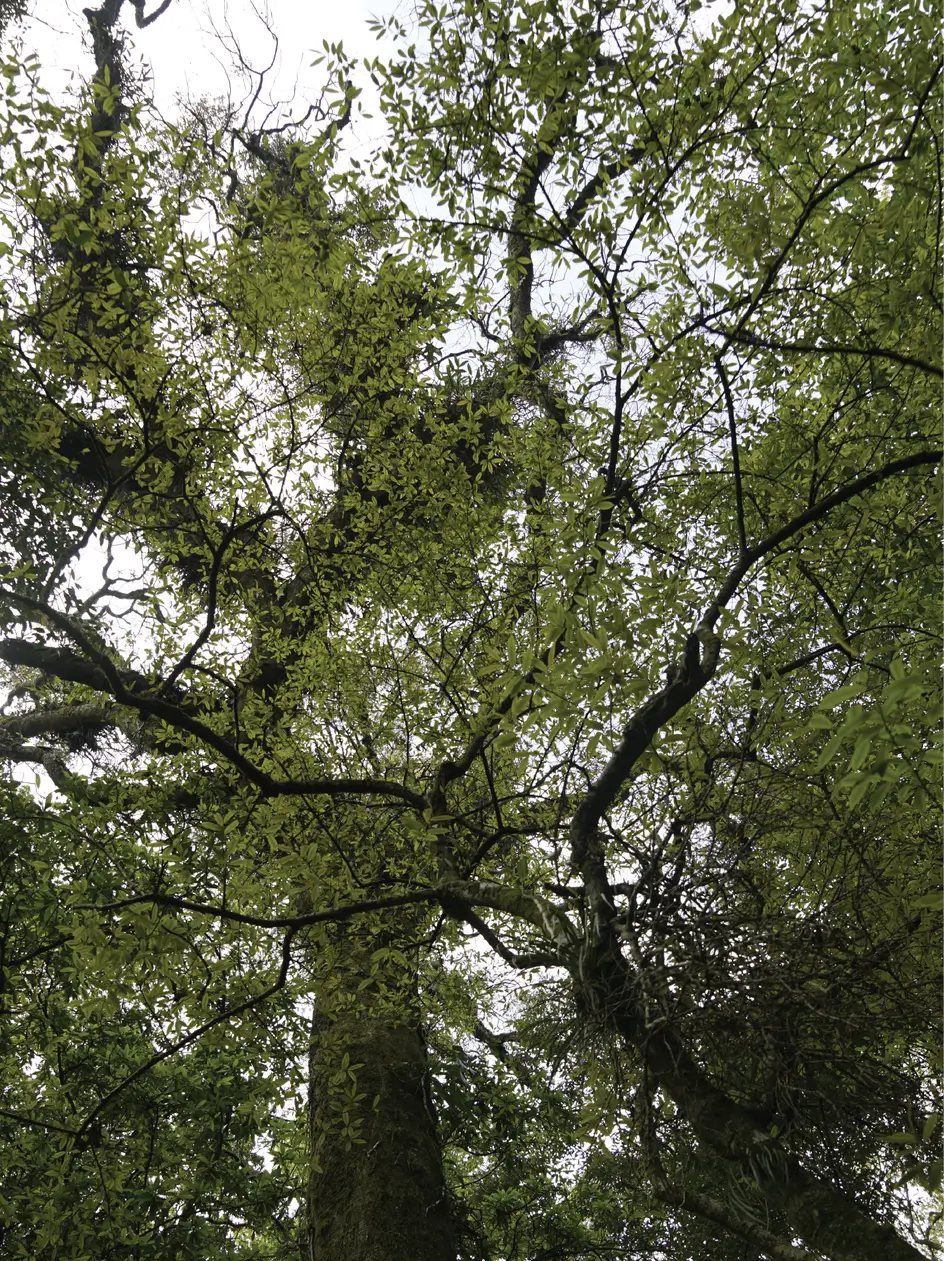
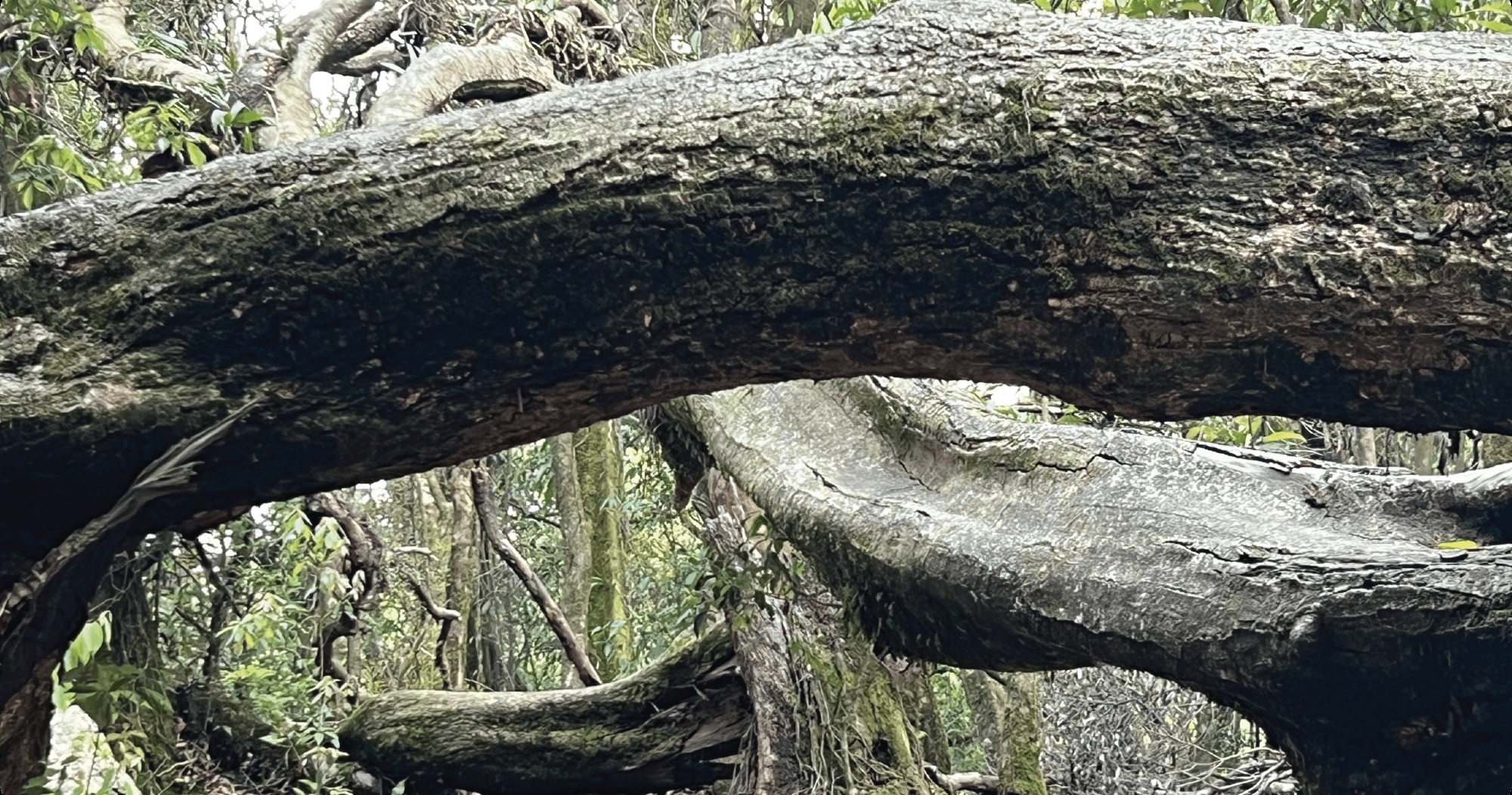
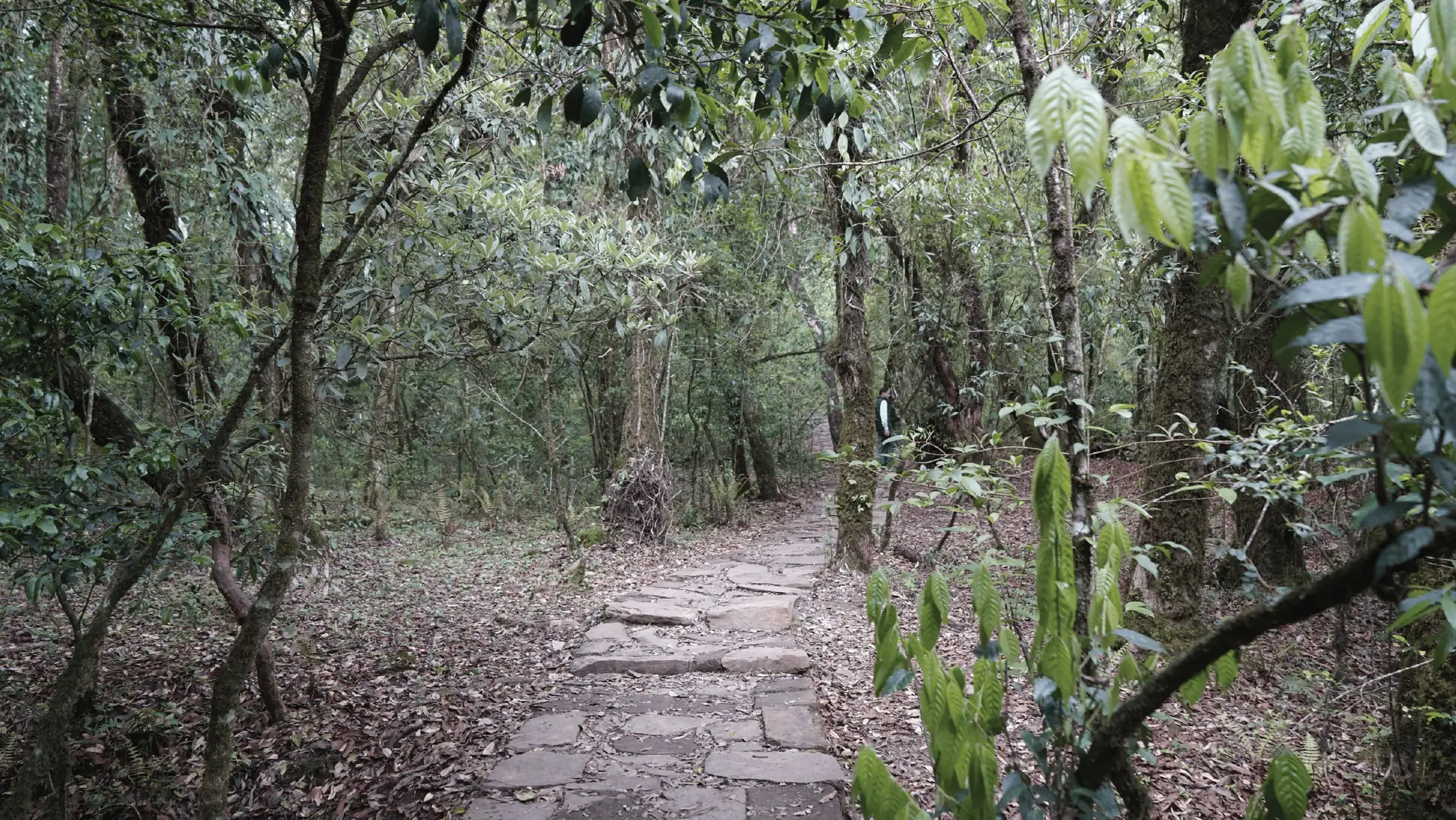
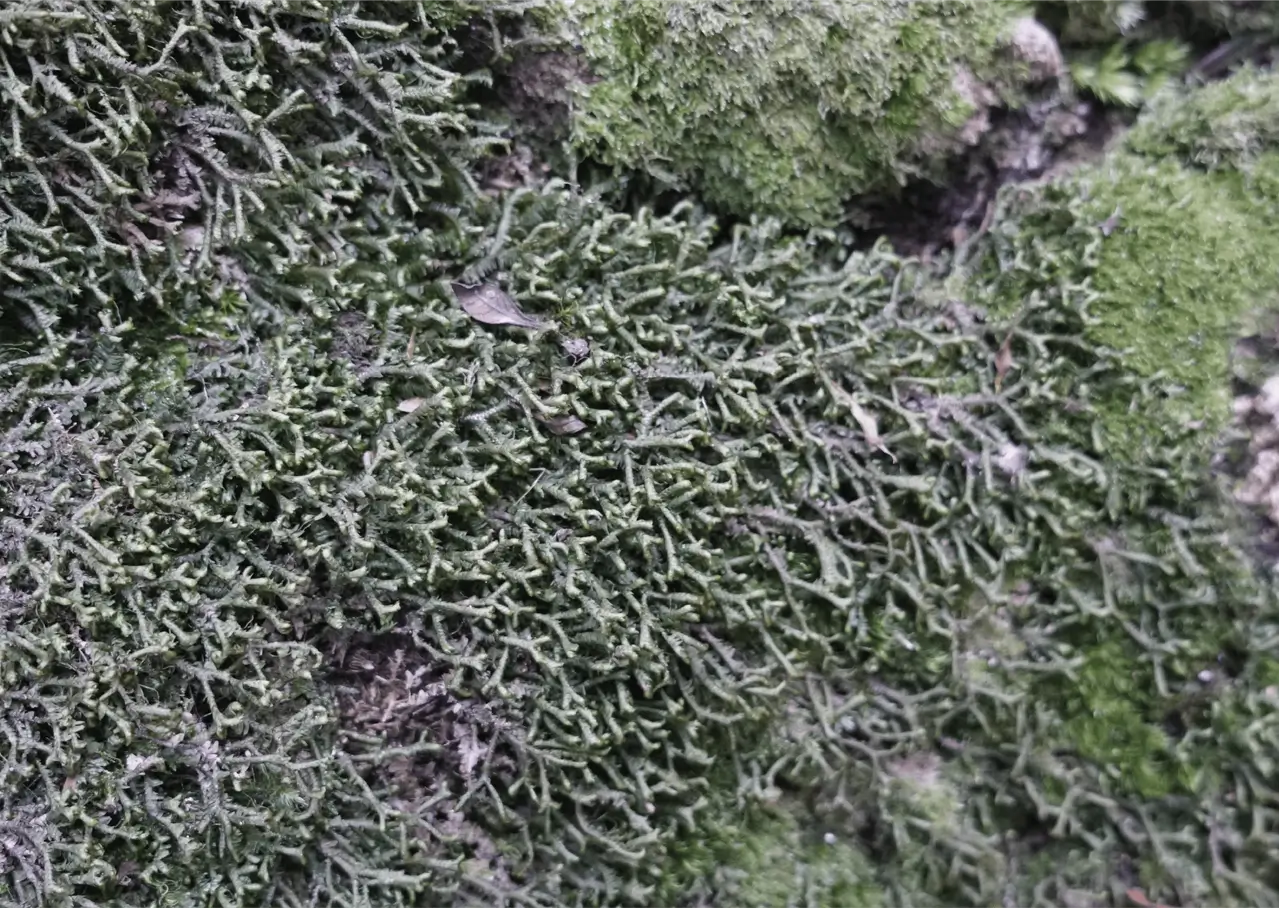
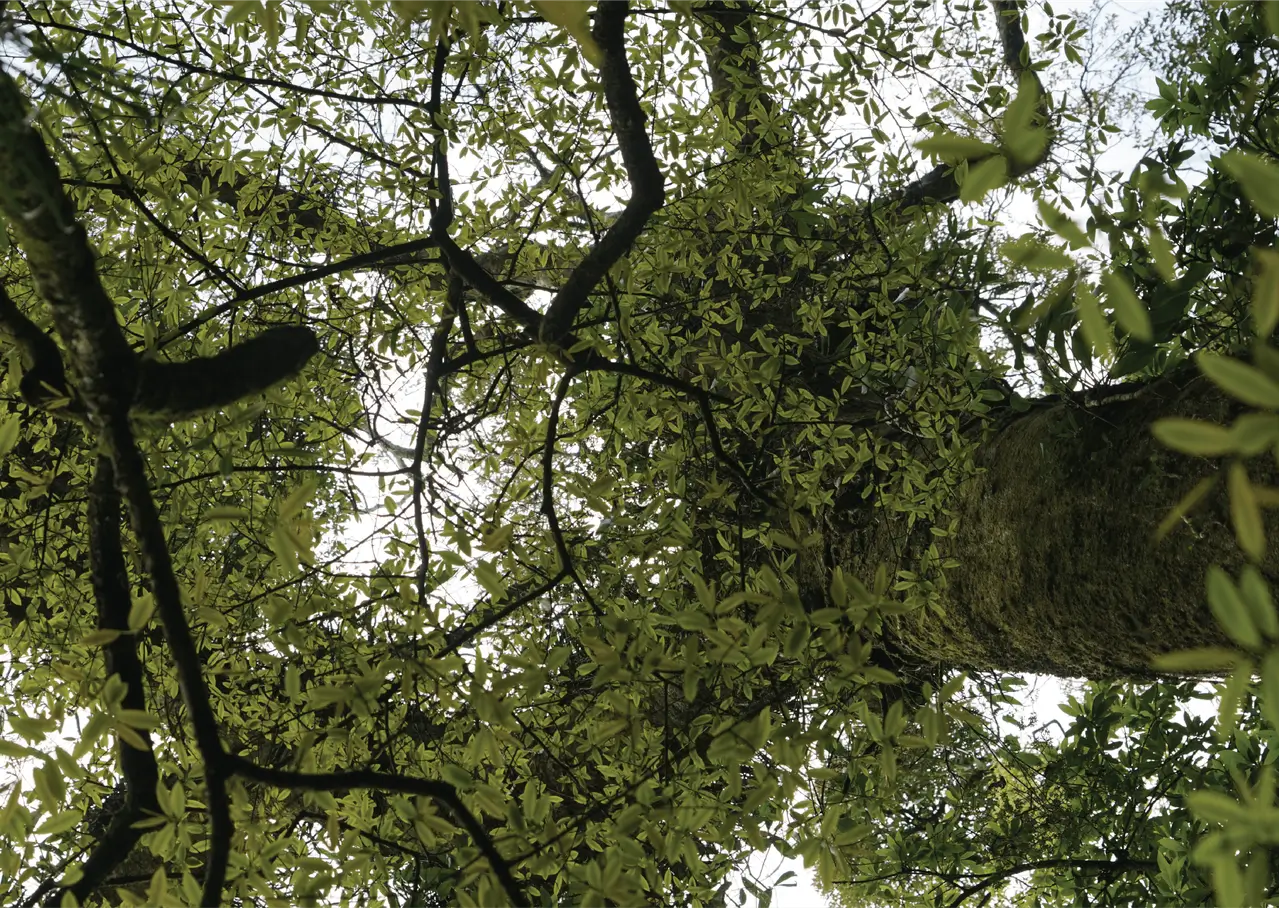
Stepping into Mawphlang, the shift is immediate. From open fields to the grove’s shaded stillness, it feels less like entering a forest and more like crossing into memory. The air cools, sounds soften, and every moss-laden branch seems to hold a story.
According to Khasi myth, seven families emerged from a sacred cave, entrusted with the land’s care. These groves became their sanctuaries—spiritually and ecologically. Mawphlang is the heart of that covenant. No signs, no state protection—only people, guided by ancestral belief, still watching over the forest.
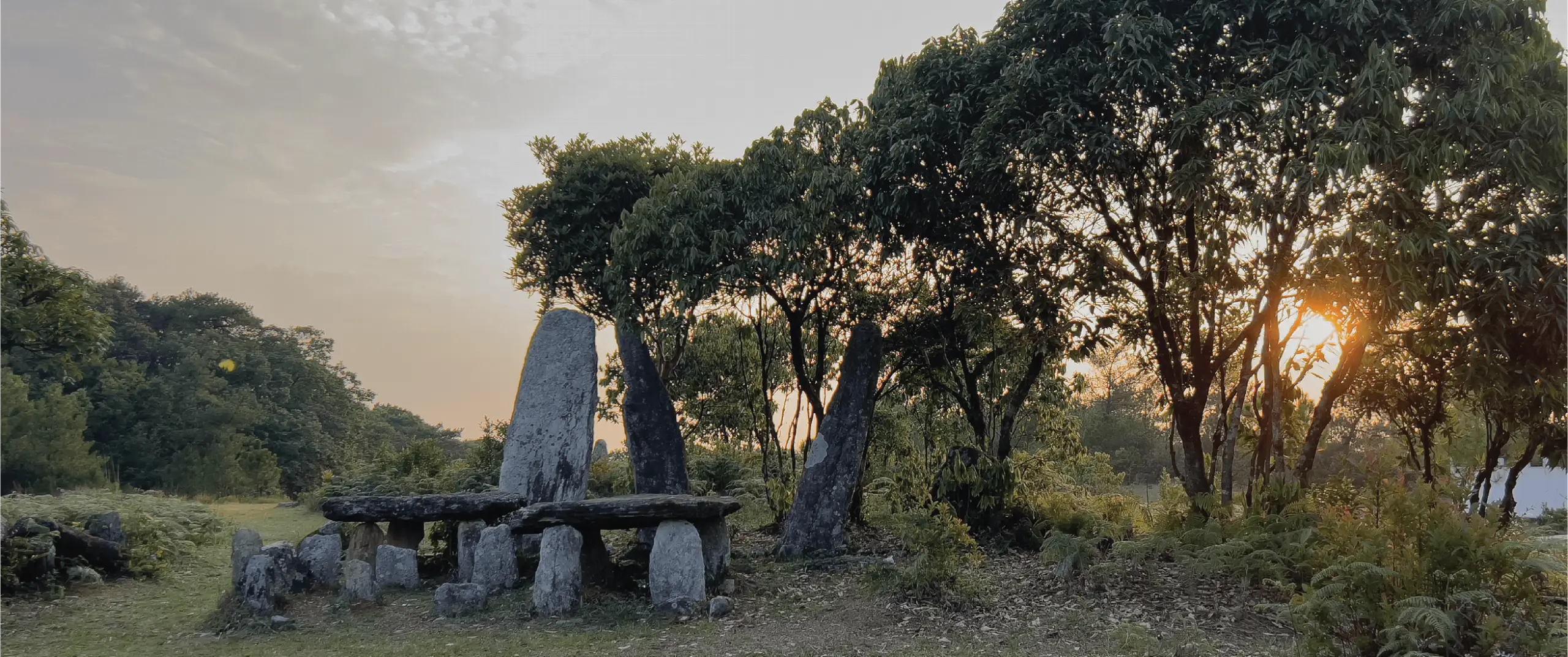
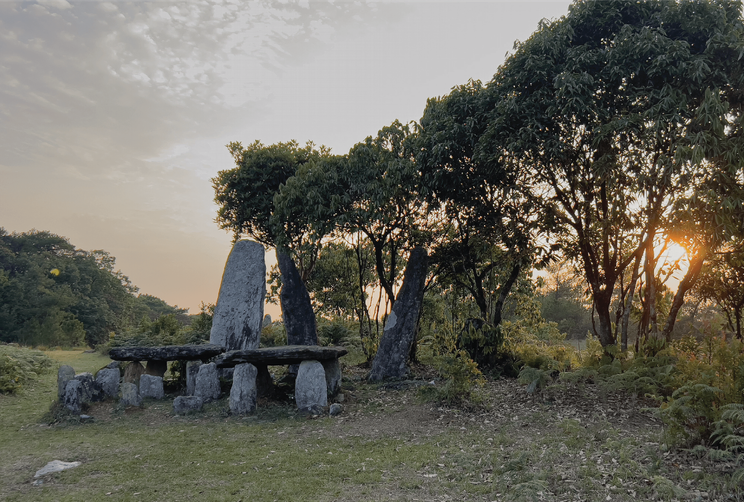
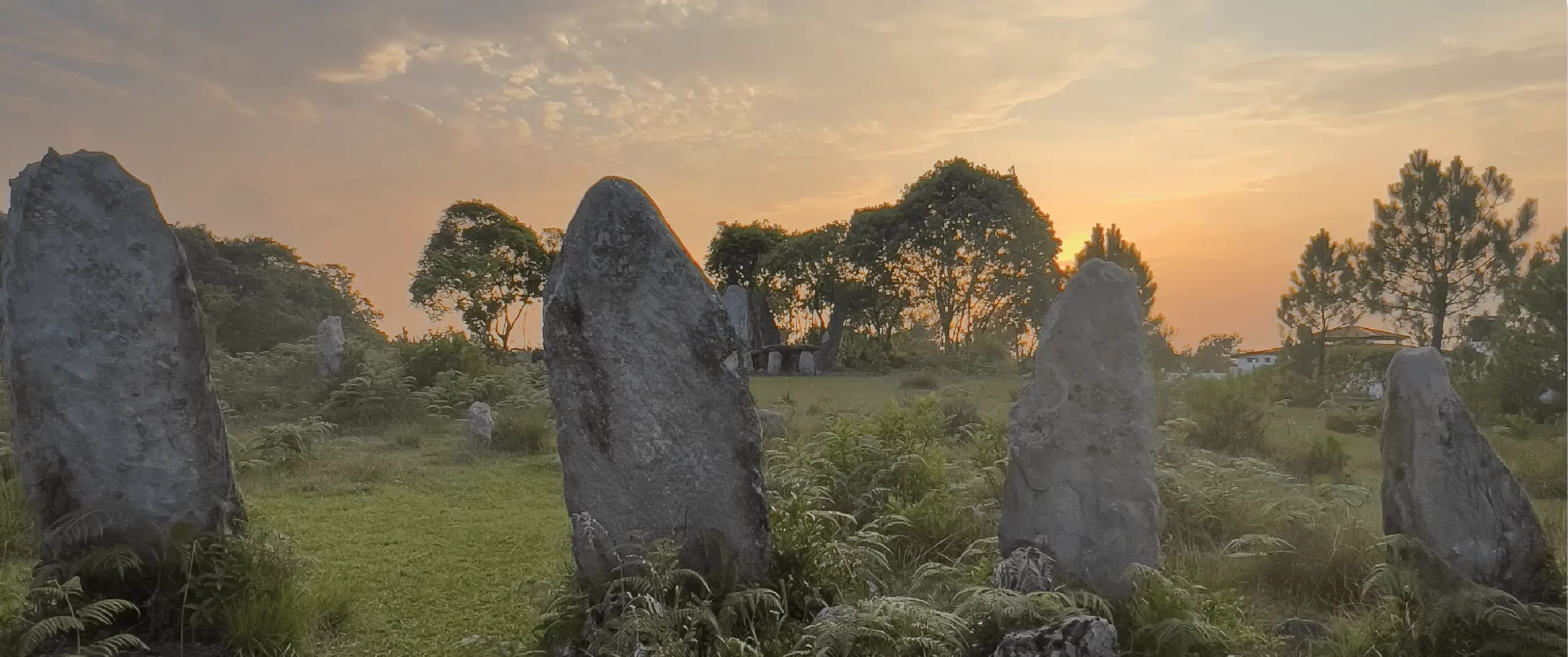
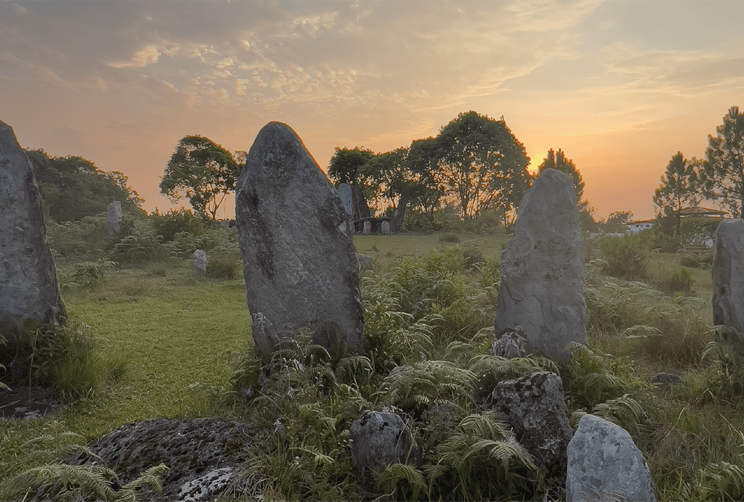
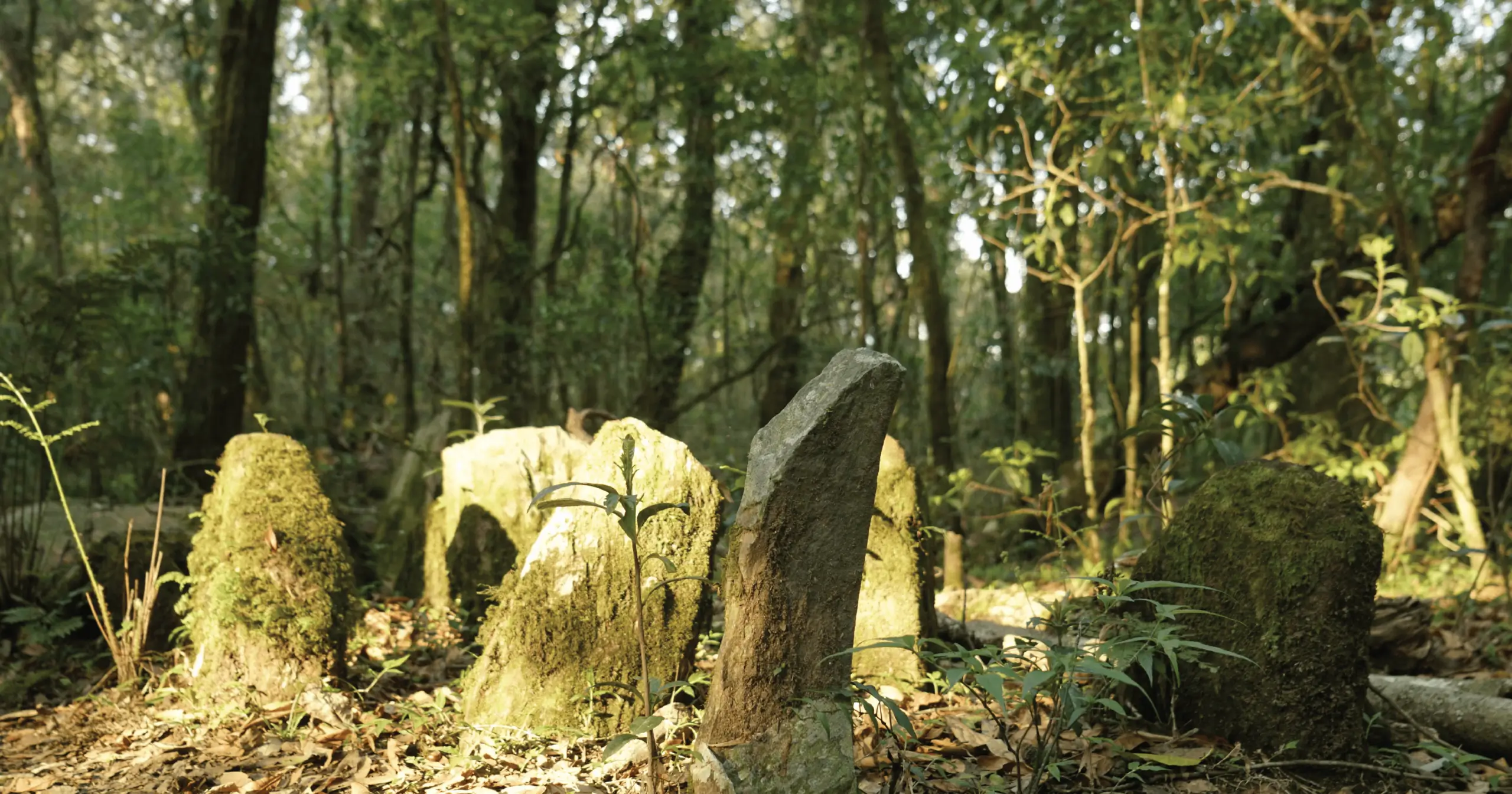
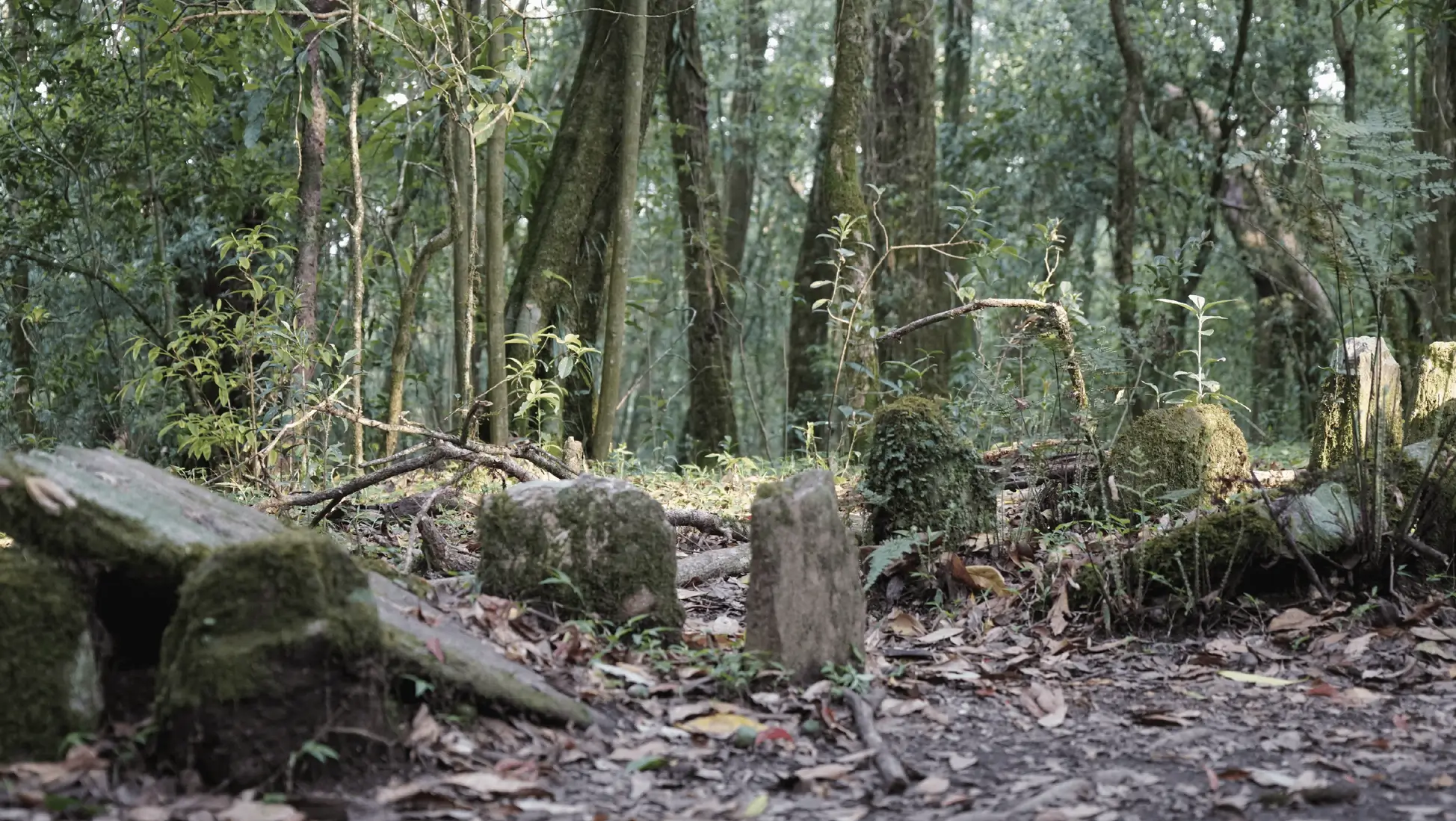
One of the grove’s most sacred spots is a stone altar, used in ancestral ceremonies. It is both literal and symbolic—a place where earth and sky are believed to meet.
As we stood there, Born called it their version of Thor’s Bifrost—the rainbow bridge in Norse mythology connecting the human world to the divine. “A direct line to the heavens,” he said, only half-joking. And yet, that lightness didn’t diminish its weight.
Perhaps the most telling story Born shared was of a time when animal sacrifices were part of rituals. One year, a bull destined for sacrifice broke free and disappeared into the hills. The villagers searched, but it was gone. The priest then paused and said, “Maybe the forest is telling us it no longer needs blood.” From that day forward, the rituals changed. The belief remained. Reverence, they understood, does not demand harm.
MAWPHLANG DOESN’T NEED SAVING—ONLY WITNESSING.
And in that, something in us shifts. The question isn’t how to protect such places, but how to become the kind who would. To walk here is to remember an older way of being. These forests aren’t hidden. They’re held. And if we’re invited in, we leave not with answers, but with a question: What does it mean to live in reverence?