SACRED EARTH

Restoring The Earth’s Memory: The Decolonisation of Nature

PUBLISHED

January 27, 2026

WORDS

Sunaina Mullick

The British Empire reshaped more than political systems and economies—it transformed landscapes, ecologies, and humanity’s relationship with the natural world. By the 19th century, colonial notions of nature as either extractable resource or pristine wilderness became central to imperial thinking, establishing conservation models that persist today. Now, formerly colonised nations are questioning these inherited legacies through the decolonisation of nature—a process of reclaiming decision-making power, restoring indigenous knowledge, and reimagining relationships between people and land.

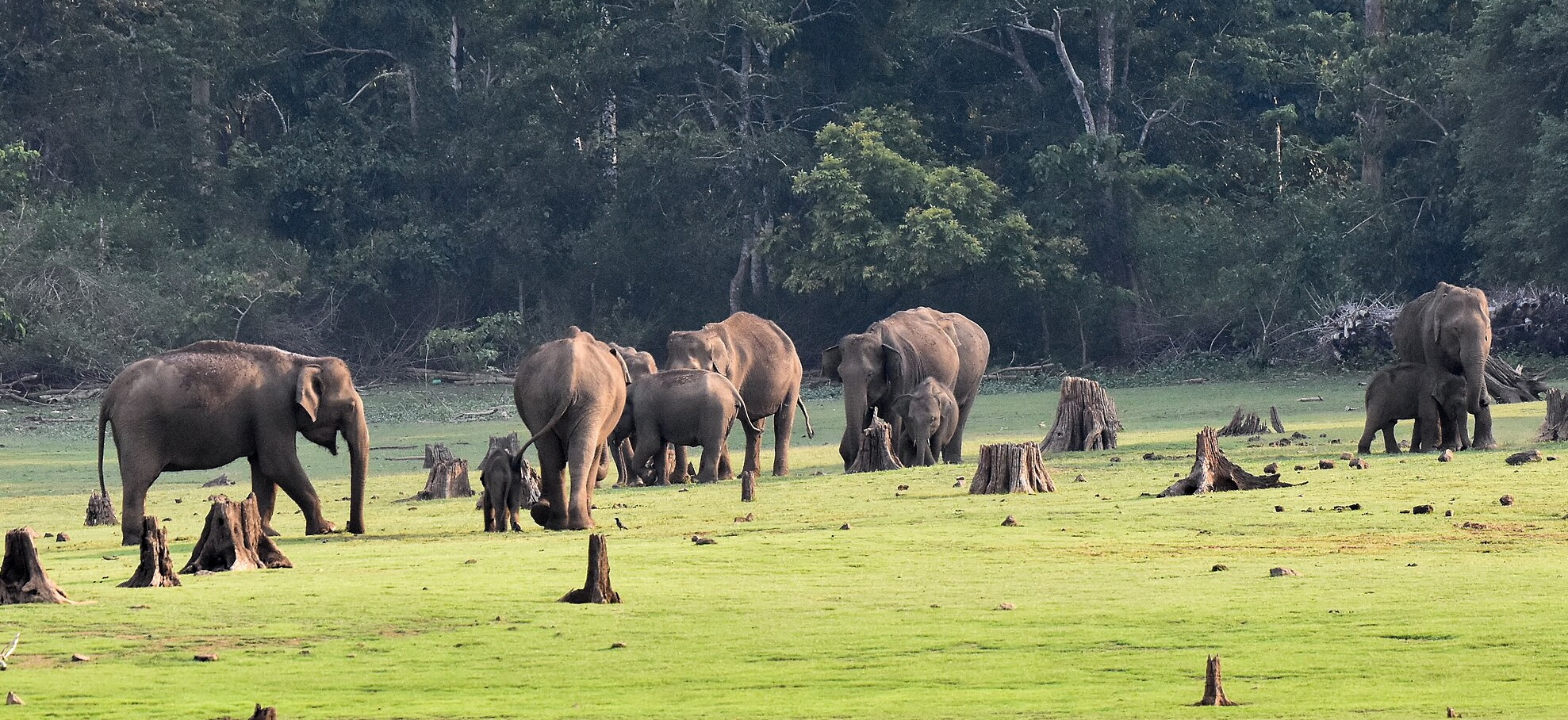
Herd of female elephants with their babies at Nagarhole National Park, Karnataka, India.

Decolonising nature means rebuilding from within: centring local voices, reviving suppressed traditions, correcting power imbalances, and nurturing landscapes in ways that honour both ecological integrity and cultural belonging. It is the recovery of agency, the restoration of memory, and the renewal of bonds between people, place, and the ecological world.

Cave painting from Bhimbetka at the Ratapani Wildlife Sanctuary in Madhya Pradesh

Removing Colonial Footprints


Across formerly colonised nations, removing invasive species has become critical to decolonising nature. These plants and animals, introduced during imperial expansion, displaced native species, altered ecosystems, and undermined traditional livelihoods.


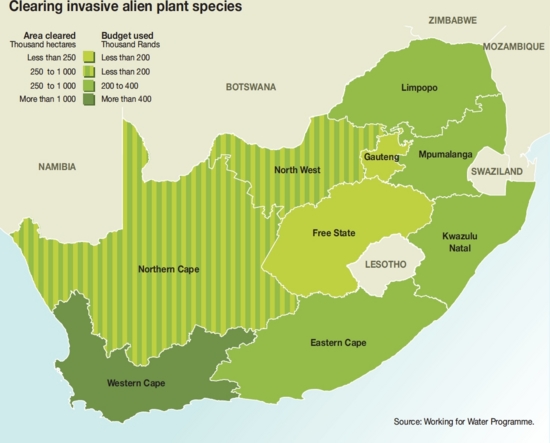
In India, communities clear Lantana camara, Senna spectabilis, and Water Hyacinth to restore biodiversity and revive fishing, grazing, and foraging practices. In Kenya, Maasai and Samburu communities uproot Prosopis juliflora, allowing native grasses and pastoral systems to recover. South Africa’s ‘Working for Water’ programme targets invasive acacias and eucalyptus that drain water and degrade native ecosystems, combining restoration with local employment. In Australia, First Nations Rangers use cultural burning to manage feral cats and cane toads, while in Aotearoa New Zealand, Maori iwi lead removal of invasive mammals, enabling endemic bird species to rebound.

The Working for Water programme uses mechanical, chemical, biological, and integrated methods to control invasive alien plant species.

Invasive removal is more than environmental management—it is historical repair, allowing landscapes to recover their ecological rhythms and cultural identities after centuries of disruption.

India’s Path Forward

India’s conservation approach is rooted in ancient worldviews where nature was sacred. Rivers, forests, and animals were revered as living deities; ideals like Vasudhaiva Kutumbakam—the world as one family—cultivated ethical regard for all life. Sacred groves, sustainable forest management, and traditional water harvesting expressed relationships built on care and reciprocity.

Colonial rule disrupted this harmony through aggressive logging and commercial agriculture. Post-independence, India began reclaiming its natural heritage through legislation including the Wildlife Protection Act (1972) and Environment Protection Act (1986), balancing growth with ecological protection.

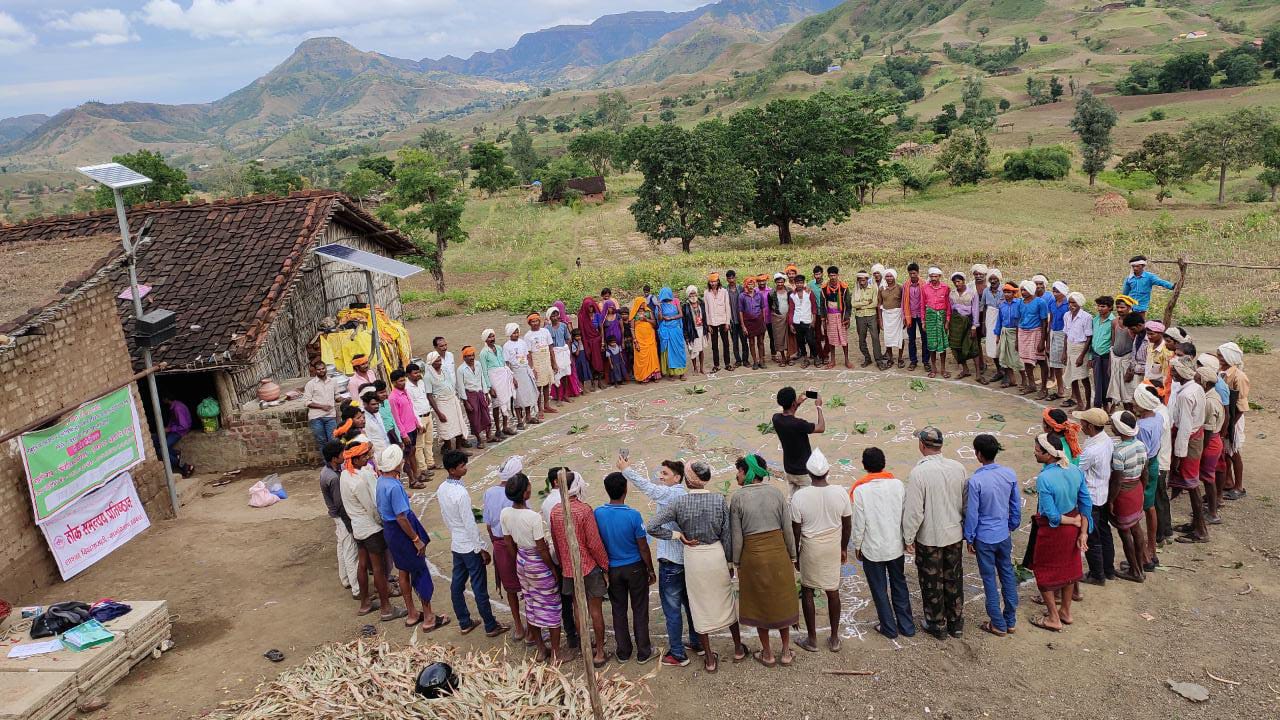
A tribal group from Sindidigar village in Toranmal, Maharashtra, carried out village mapping and forest conservation to manage and conserve forest in the collective forest rights area.

Today, decolonising conservation means dismantling exclusionary approaches and acknowledging the interdependence between people and environment. This transition emphasizes Indigenous and local communities, restoring their rights and honouring their knowledge. The Forest Rights Act and PESA enable forest dwellers to govern their lands, while Community Reserves formalise local stewardship. Traditional practices—sacred grove protection, selective harvesting, rotational grazing, agroforestry—are being reintegrated because they support both biodiversity and livelihoods.


Governance is shifting toward local leadership. Decisions once made by distant authorities now involve Gram Sabhas, forest collectives, and joint management groups, demonstrating how shared management restores ecosystems while strengthening community agency.

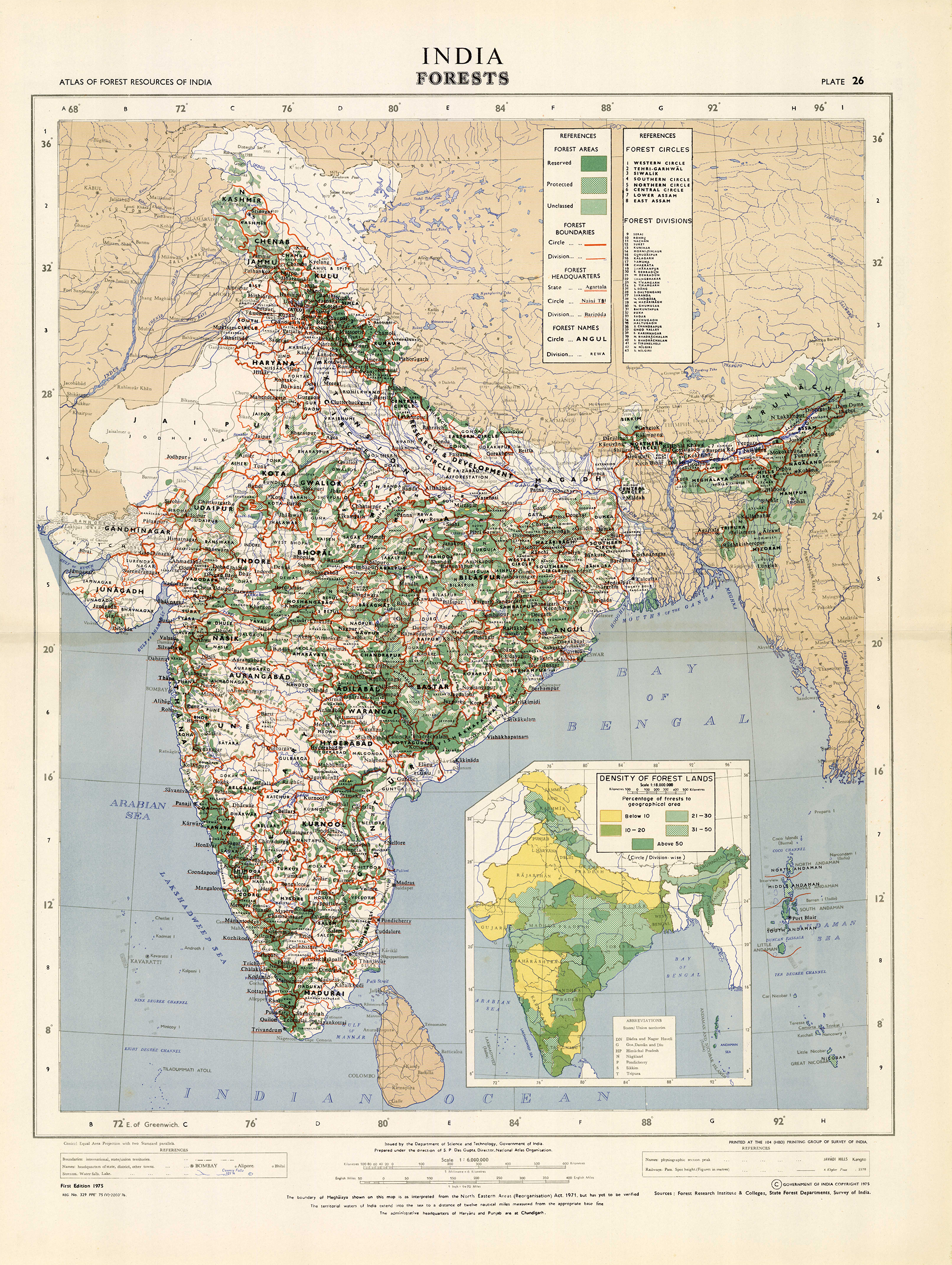
1976 Atlas of Forest Resources of India–Plate 26: India Forests

A Different Future


Ultimately, decolonising nature is about justice: ensuring fair benefits, amplifying Indigenous voices, and correcting historical imbalances. It demands conservation models shaped not by imposed frameworks but by people who have cared for these landscapes across generations.


As India and other formerly colonised nations reclaim ecological knowledge, restore community authority, and heal environments altered by colonial interventions, a different future emerges. It is a future where conservation is co-created rather than enforced, where ecological recovery accompanies cultural renewal, and where land is understood not as a distant resource but as a living relationship to be nurtured. 

In this ongoing work lies decolonisation's true promise: restoring not only ecosystems but the bonds that sustain them.

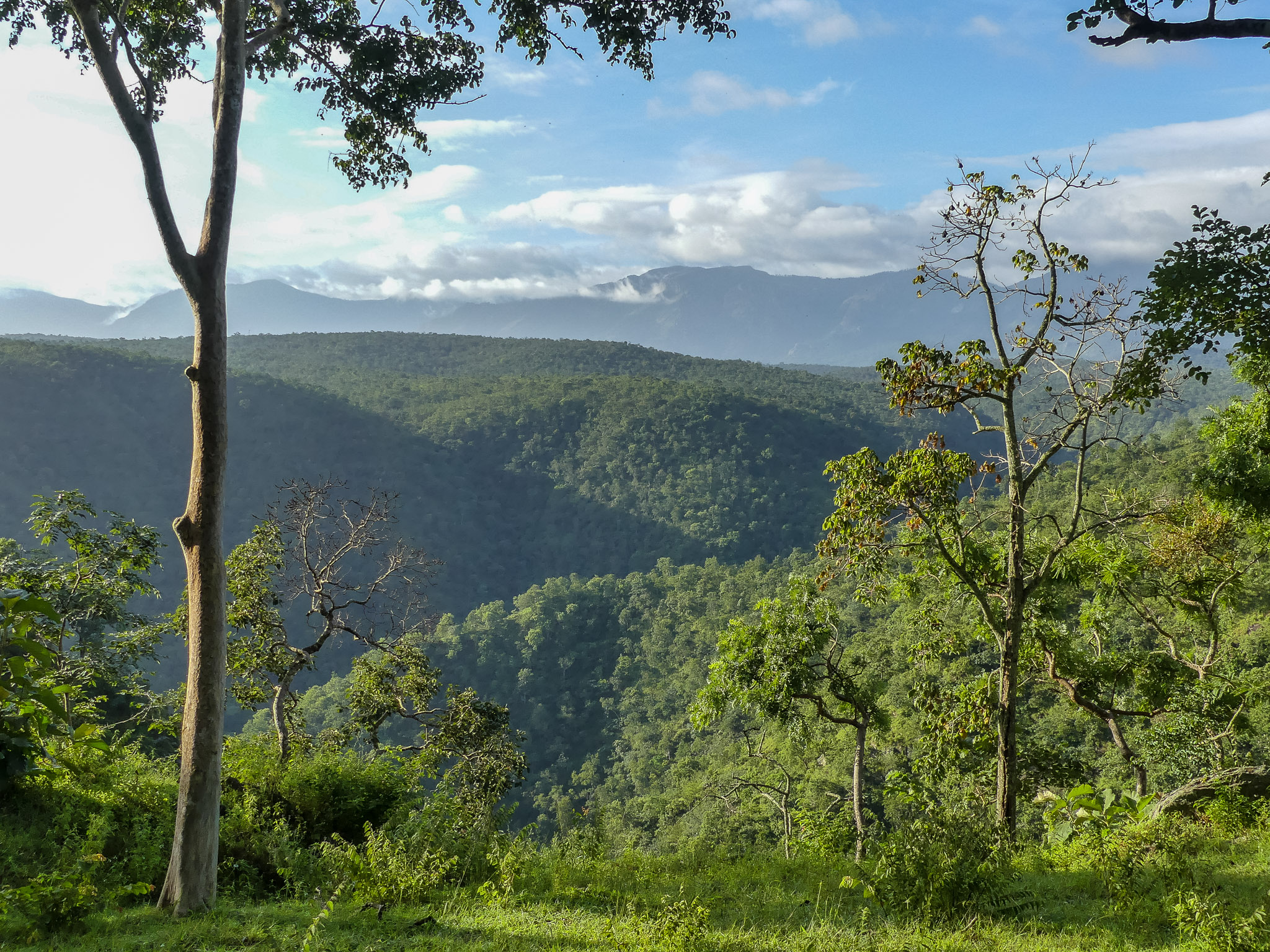
Bandipur National Park

*1976 Atlas of Forest Resources of India–Plate 26: India Forests, 1976, map image, PAHAR Mountains of Central Asia Digital Dataset (MCADD), accessed January 7, 2026, https://pahar.in/indian-subcontinent-after-1900/

KEEP READING

Inside the Aranyani Pavilion: Meet the Architects

ARANYANI PAVILION

From Introduction To Invasion: How Non-Native Plants Took Root In India’s Ecosystems

SACRED EARTH

Restoring The Earth’s Memory: The Decolonisation of Nature

SACRED EARTH