
From Sacred Lands to Urban Forests: The Spread of Non-Native Plants in India
WORDS
Sunaina Mullick
As you wander through your neighbourhood or a quiet park, perhaps even a forest nearby, have you ever stopped to notice what surrounds you? Creepers and vines entwine across walls and trees, while vibrant flowers emerge from the smallest crevices, blooming their way into being. But not all the greenery predominantly belongs to that particular region sometimes. Some of it may appear beautiful, yet it grows unintentionally and out of place, even anomalous — what we call invasive.
Invasive plants are species that do not naturally belong to a region but, once introduced, spread rapidly and disrupt their new environment. Though some of them may dazzle with their beauty, they grow without an invitation, unbalancing the delicate harmony of the ecosystem.
When we look at a thriving patch of greenery around us, it’s easy to mistake abundance for health. But beneath India’s lush landscapes lies a quieter crisis — a silent takeover by plants that do not belong here. These are the non-native plants in India, foreign settlers that have taken root in Indian soil and, over time, have transformed its ecological balance, its water systems, and even its cultural relationship with nature.

A study conducted by scientists from the Wildlife Institute of India — Ninad Avinash Mungi, Omar Qureshi, and Y. V. Jhala — states: “High-concern plant invasions were recorded in 22% of natural areas and modelled to potentially threaten 66% of natural areas. These estimates were statistically robust as suggested by accuracy indicators.”
India, with its varied climates and biodiversity-rich landscapes, is particularly vulnerable to plant invasions. From the grasslands of Rajasthan to the rainforests of the Western Ghats and the wetlands of Assam, invasive species have found their way into nearly every ecological biome. In India, invasive plant species have become one of the quietest and most stubborn threats to biodiversity, water security, and rural livelihoods.
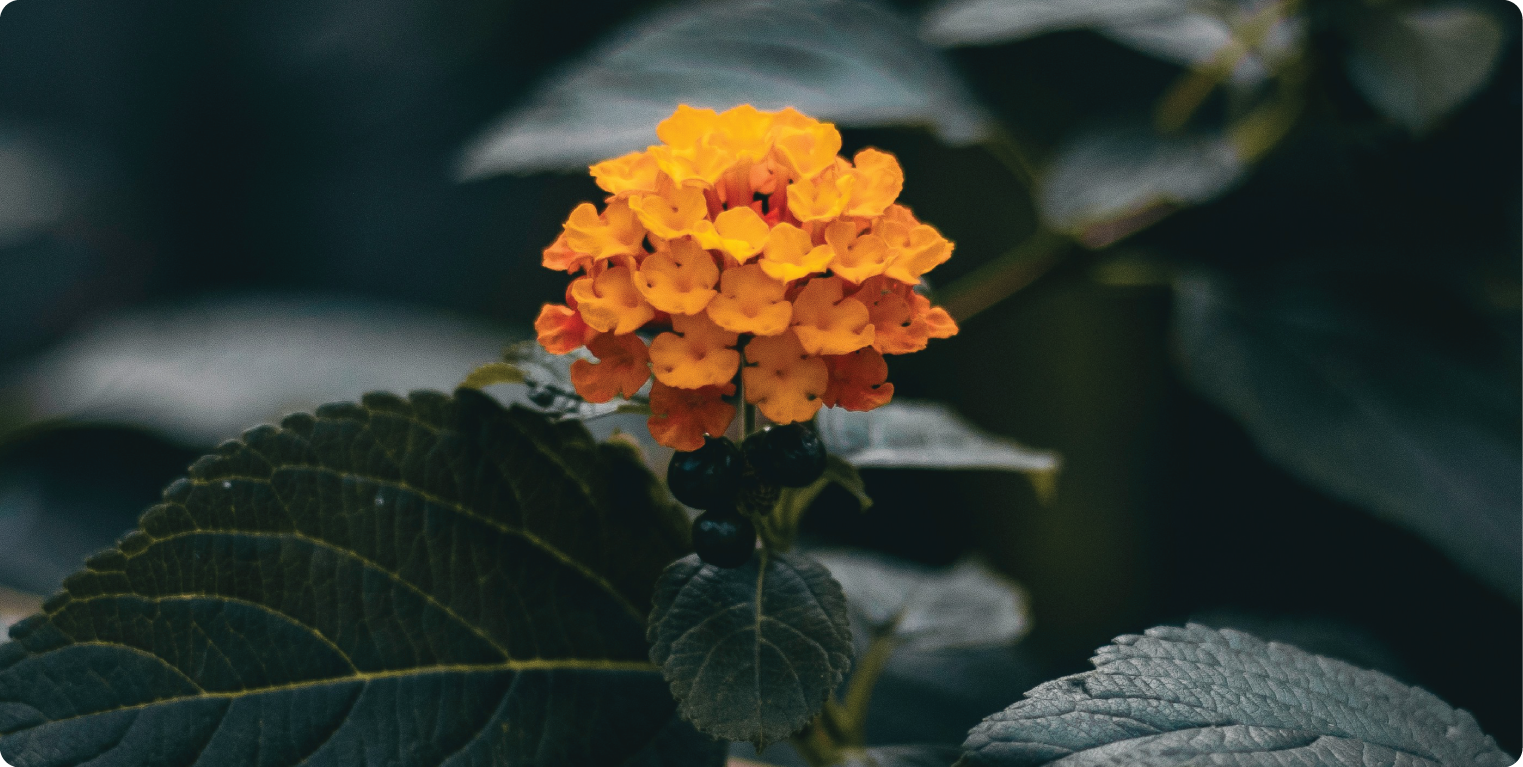
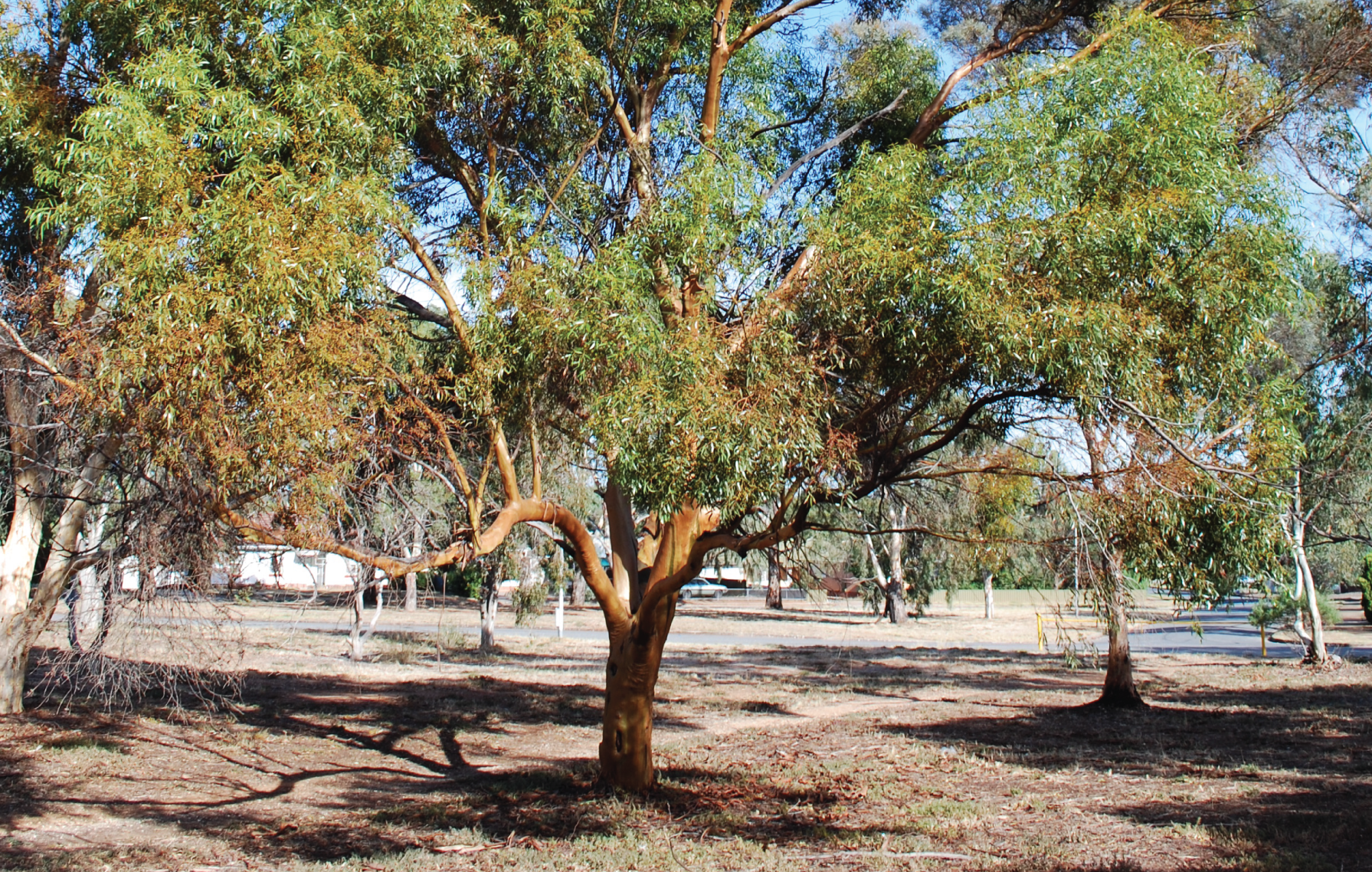
The roots of this ecological “invasion” lie deep within India’s colonial past. During British rule, numerous non-native plant species were introduced across the subcontinent for economic, aesthetic, and experimental purposes. Species such as Lantana camara, Eucalyptus, and Prosopis juliflora were imported for ornamental landscaping, timber production, and land reclamation, particularly in arid and semi-arid regions. Once established, these species soon escaped cultivation and spread uncontrollably, asserting ecological dominance over vast landscapes.
Invasive plants typically grow rapidly and monopolise essential resources such as water, nutrients, and sunlight. This competitive edge enables them to displace native vegetation and diminish local biodiversity. Moreover, they alter fundamental ecosystem processes, such as changing soil composition, nutrient cycles, and water retention capacities — thereby creating conditions inhospitable to indigenous species. For instance, the deep-rooted Prosopis juliflora drains groundwater reserves in arid regions, leaving the surrounding flora desiccated and unable to survive, making land and ecosystem restoration more challenging.
Here’s a rudimentary fact, though — India may have plenty of non-native trees and plants, but not all of them are invasive. Many were brought here long ago and have since blended naturally into local ecosystems without causing harm. Some even come from regions with climates much like India’s, which helped them adapt over time. When these species grow, reproduce, and sustain themselves without upsetting the balance of their surroundings, they’re known as naturalised plants.
You’ve probably noticed rows of bright Gulmohar (Delonix regia) trees lining the streets of Delhi. They even made headlines recently when plans were proposed to uproot some of them for interfering with power lines. Interestingly, the Gulmohar isn’t native to India — it originally comes from Madagascar and was introduced here as an ornamental tree. While its fiery red blossoms make it a favourite in urban landscapes, the tree offers little ecological value and provides minimal support for local biodiversity.
Coming back to the real troublemakers — the invasive species. These foreign invaders pose a serious threat to India’s environment and biodiversity. There’s an ongoing debate about whether alien plant invasions could ultimately lead to the extinction of native species. But it’s worth asking: what would that really mean? Native plants are the foundation of entire ecosystems. They feed, shelter, and sustain countless insects, birds, and animals. When invasives take over, those delicate ecological relationships begin to unravel.
Forests and grasslands may still appear lush and green from afar, but beneath the surface, they grow quiet — with fewer pollinators, declining wildlife, and soils losing their natural vitality.
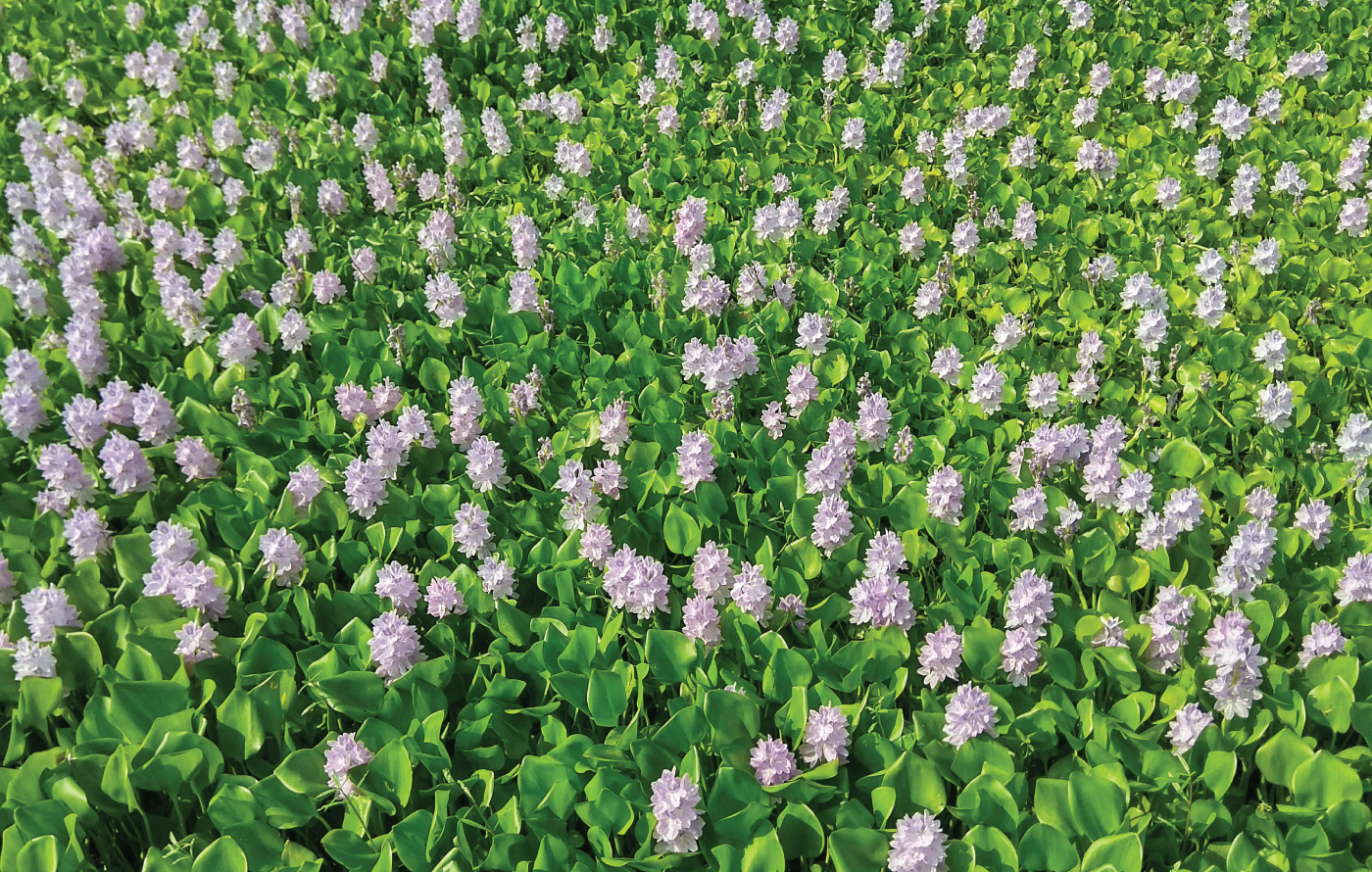
Rivers and lakes choke with weeds like water hyacinth (Eichhornia crassipes), starving aquatic life of oxygen and disrupting livelihoods built around fishing and clean water. In rural areas, dense invasive thickets shrink grazing lands and reduce crop yields, unsettling the long-held balance between people and the landscapes they depend on.
Over time, the spread of invasives doesn’t just strip away biodiversity; it also erodes the local knowledge, healing traditions, and ecological wisdom rooted in India’s native flora — threatening sacred lands, wildlife conservation, and forest conservation efforts.
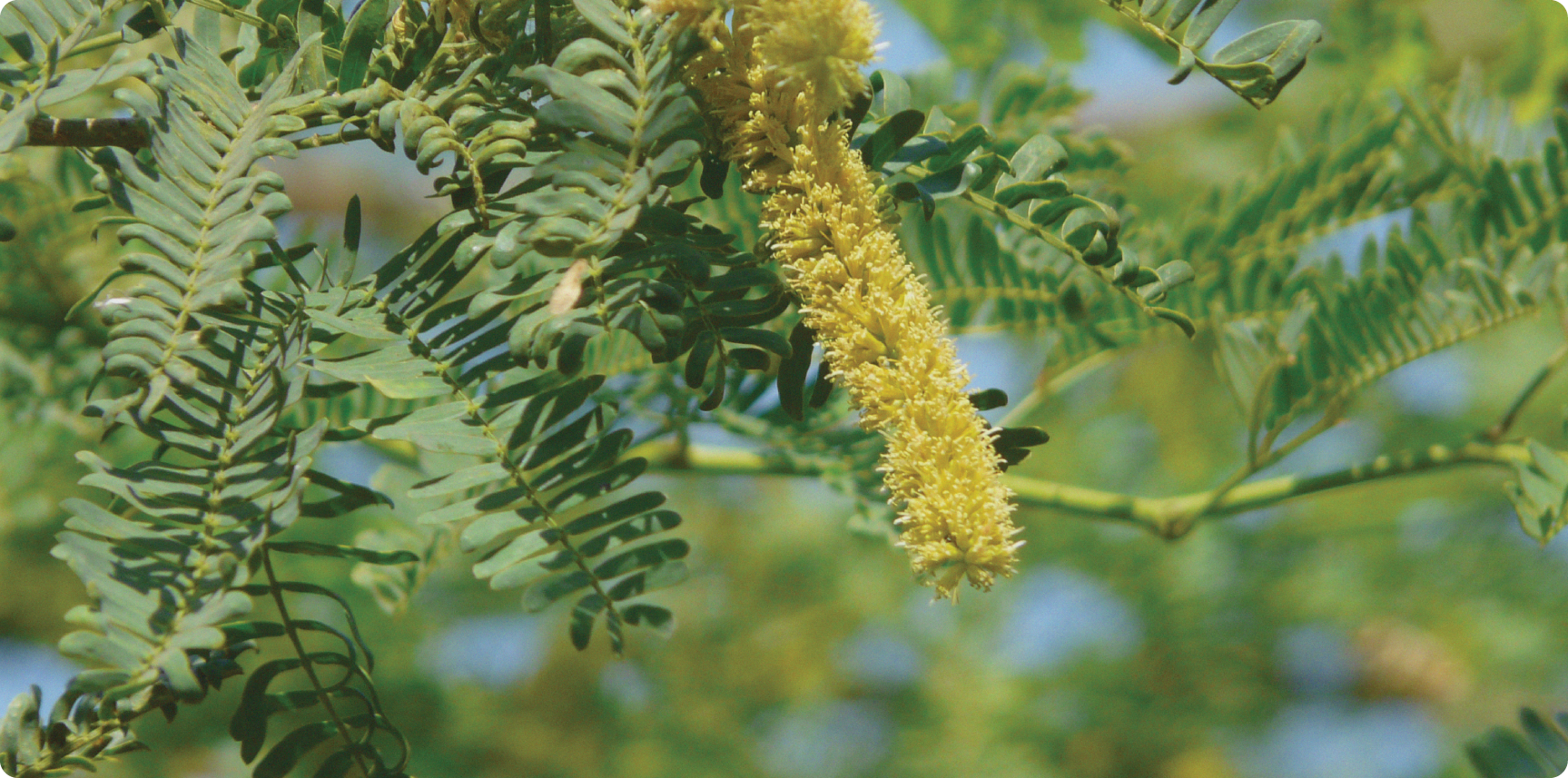
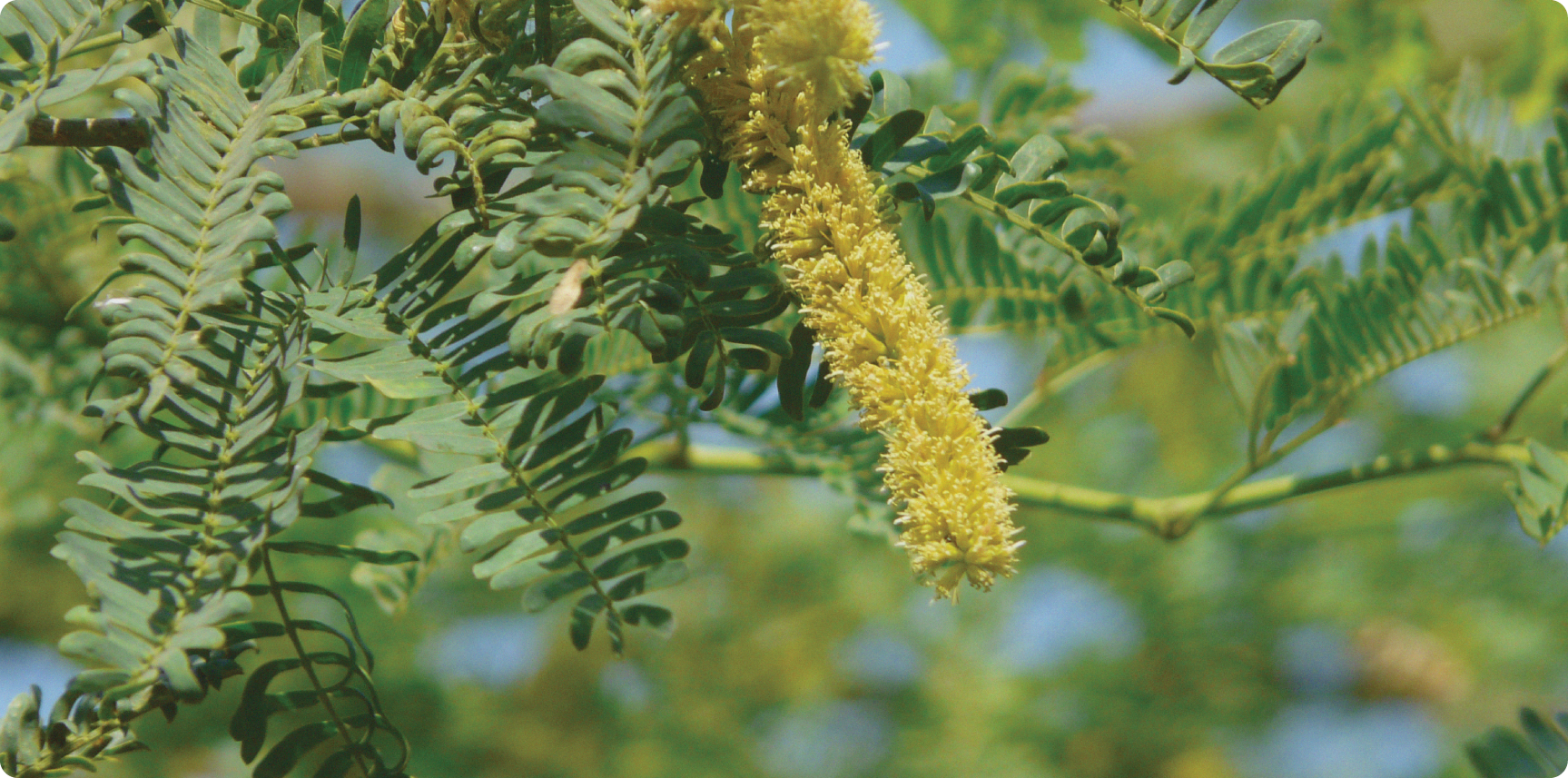
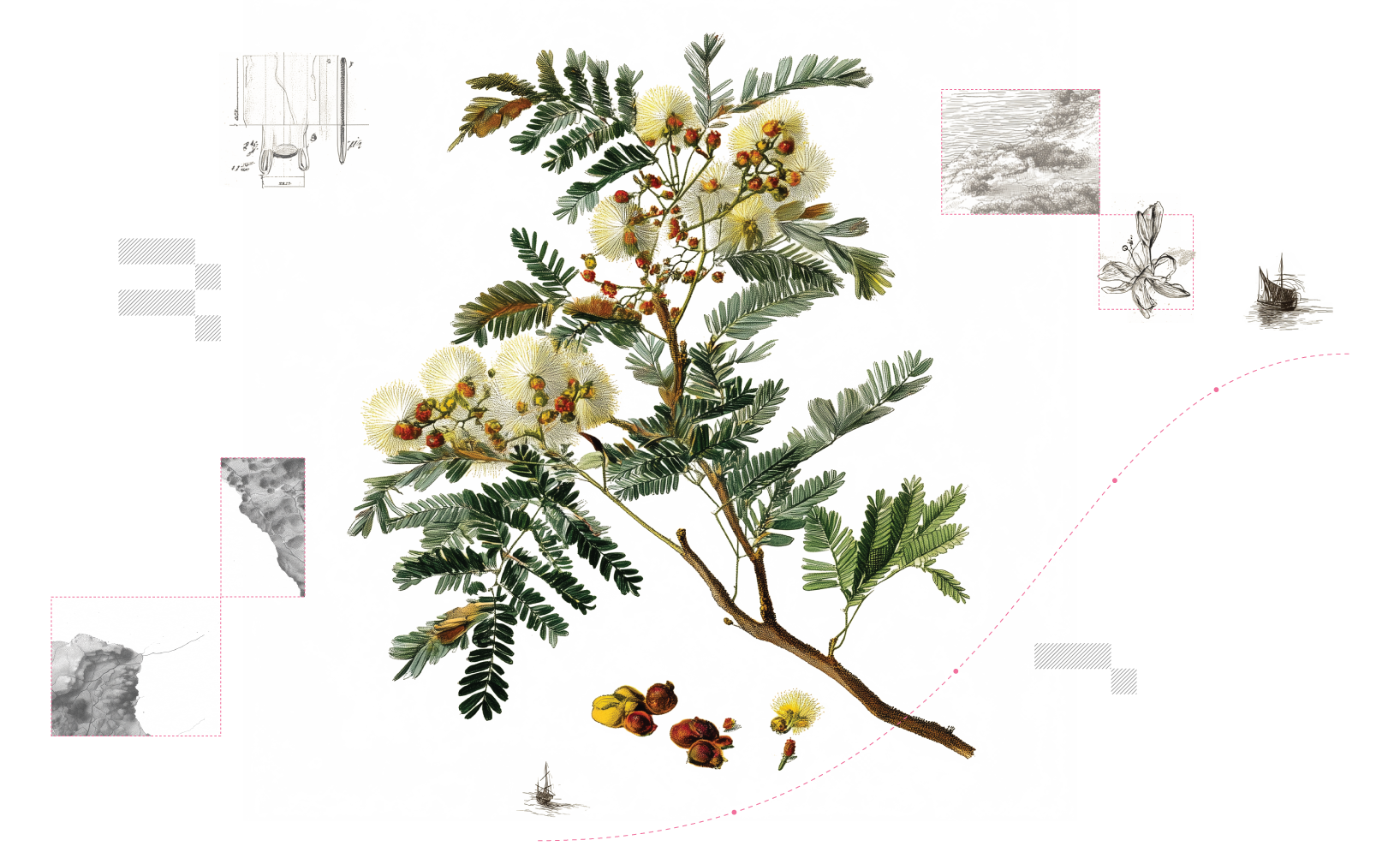
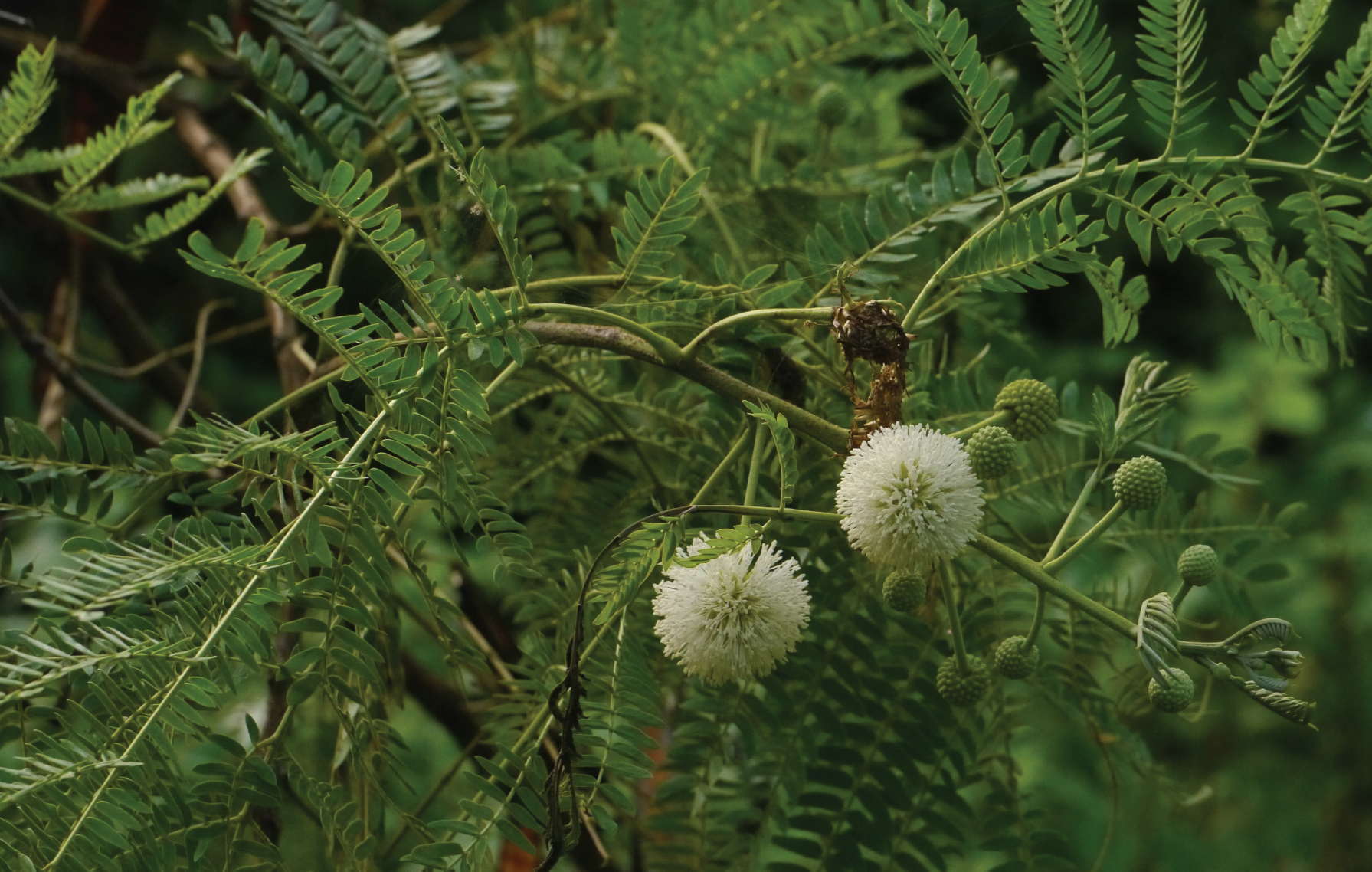
In January 2023, the Delhi Forest Department announced plans to deploy drones to capture high-resolution images of the city’s forested areas. The goal was to assess the spread and density of invasive tree species across Delhi’s green cover. Based on this data, the department aimed to design a strategy to control three major invaders dominating the landscape: Eucalyptus, Subabul (Leucaena leucocephala), and Vilayati Kikar (Prosopis juliflora). The idea was to gradually remove these species and replace them with native trees better suited to Delhi’s ecology.
Although the project is still underway, dense thickets of Vilayati Kikar continue to dominate large parts of the Central Ridge, casting their long ecological shadow over the city’s natural forests. Eucalyptus, a familiar sight across Delhi, has long been at the centre of environmental debates. As a fast-growing tree with exceptionally high water demands, it can drastically reduce groundwater recharge and disrupt local hydrological cycles — highlighting the importance of water conservation and ecosystem restoration initiatives.
To conclude, even in the midst of this quiet crisis, there is room for hope. Nature, when given a chance, has an extraordinary ability to heal. Across India, communities, forest departments, and conservation groups are working to restore native ecosystems by replanting indigenous trees, reviving grasslands, and allowing rivers to breathe again. Every patch of land reclaimed from invasives is a small act of renewal — a reminder that resilience is woven into the fabric of the natural world.
By choosing to value and protect native plants, we are not only restoring balance to our landscapes but also rebuilding our relationship with the land — one rooted in respect, memory, and belonging.