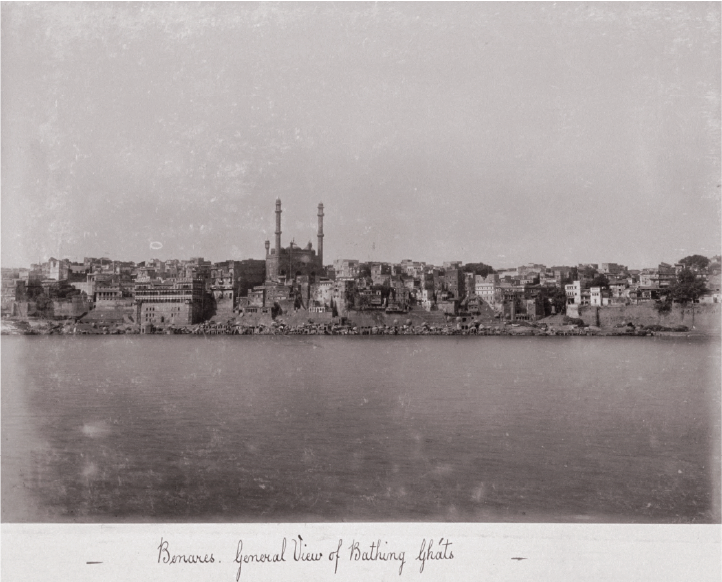
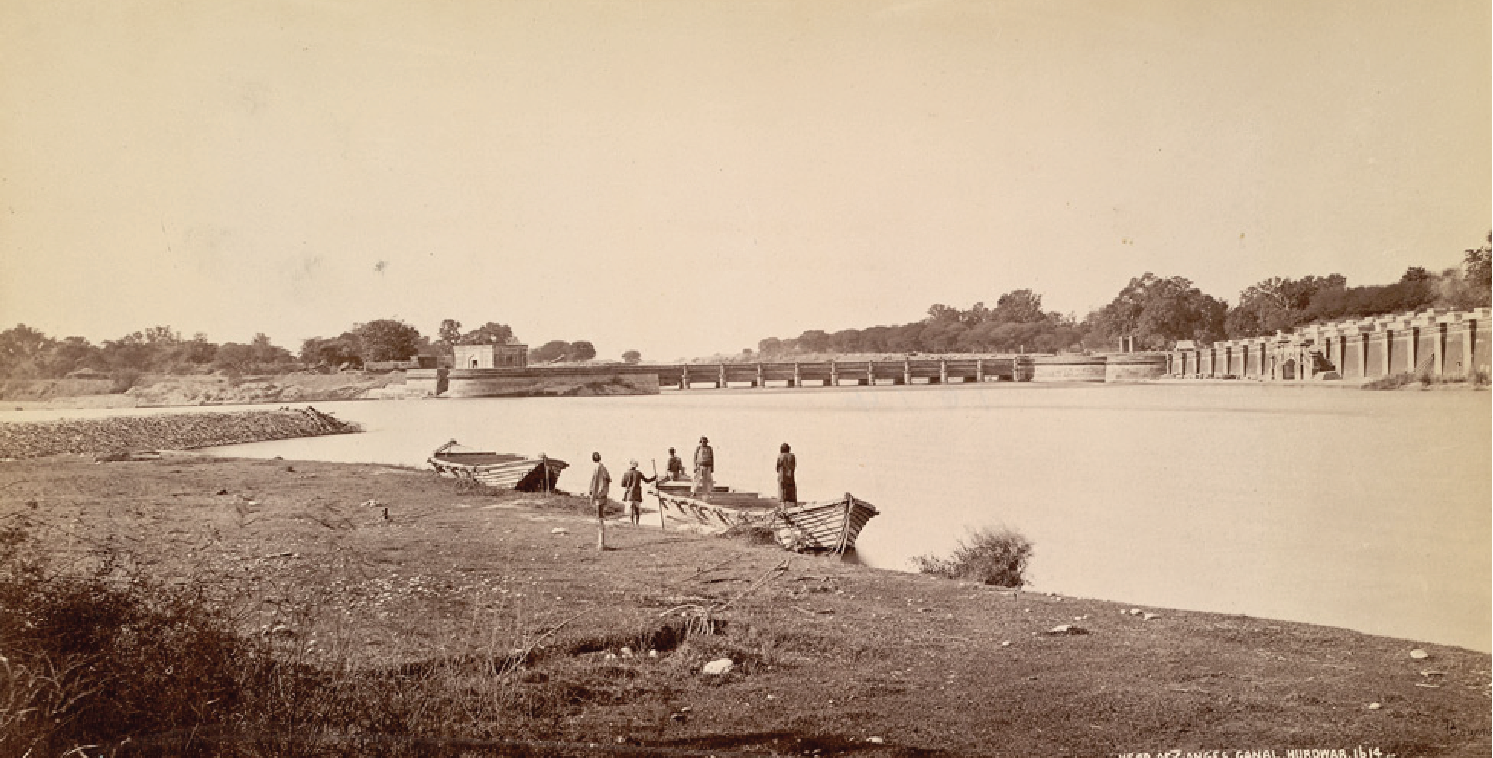
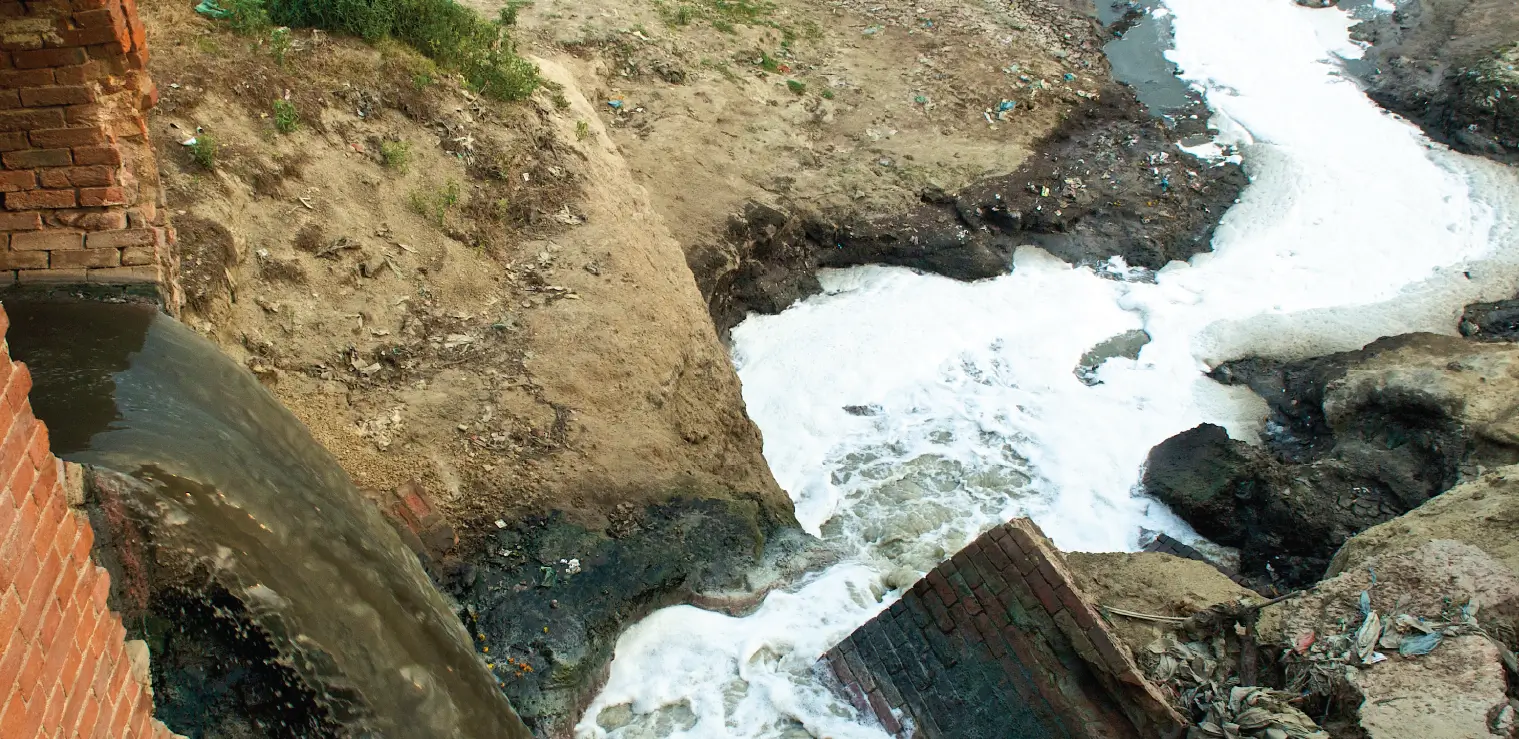
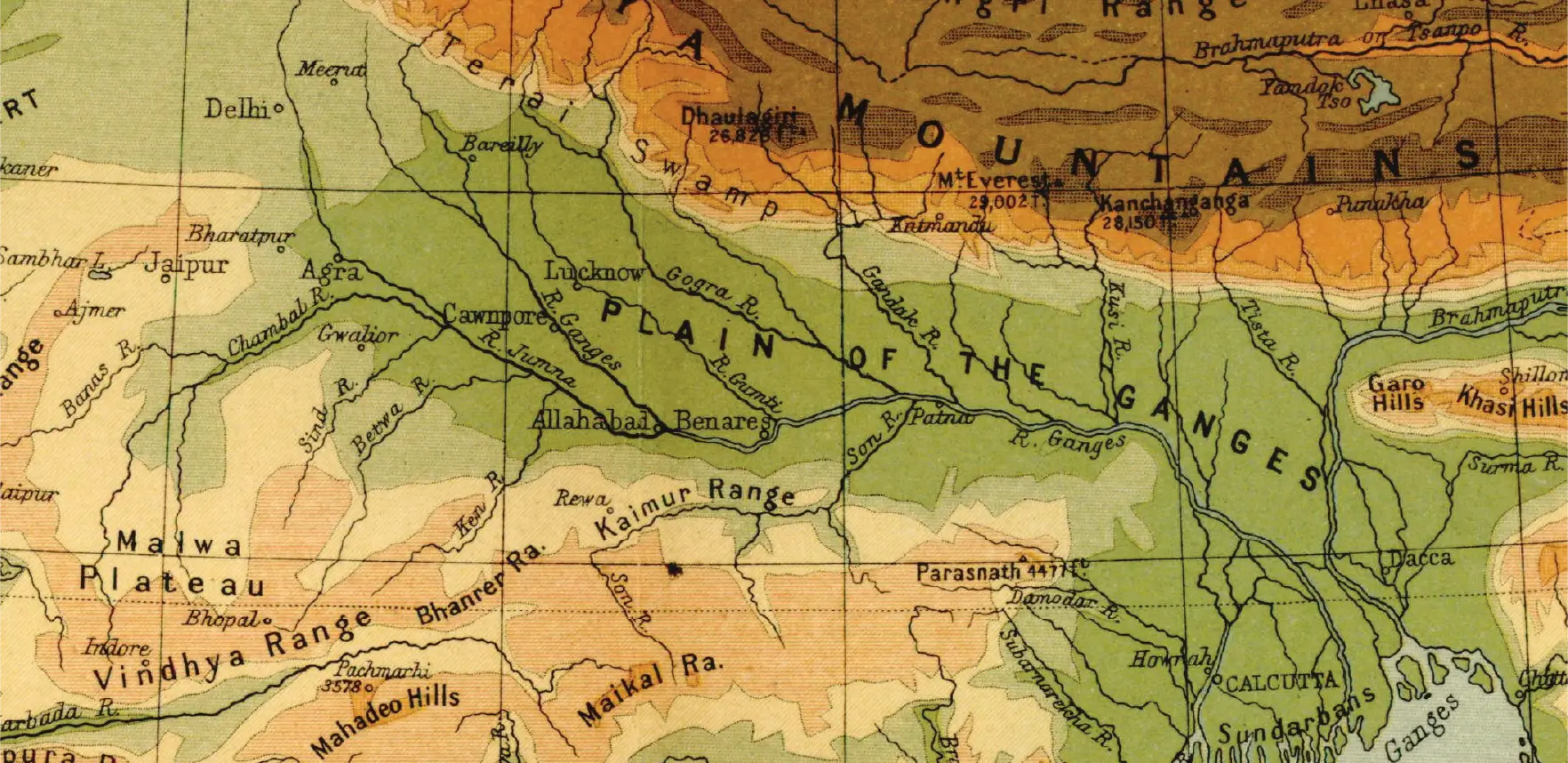
Kanpur—once Cawnpore—rose as a colonial leather hub, manufacturing boots and saddles for the British army. Today, it remains home to India’s densest cluster of tanneries, many discharging chromium, lead, and cadmium into the river. Fishing is banned, aquatic life has nearly vanished, and toxins seed chronic illness in communities that depend on her.
The scars left in Kanpur are emblematic of a larger pattern inherited and amplified after independence. By 1947, the colonial mindset of treating rivers as instruments of utility was firmly in place. Independent India, rather than breaking from it, rebranded it. Dams, industrial corridors, and riverfront projects were hailed as the “Temples of Modern India”—glorifying growth even as ecological balance collapsed.