The Harvest Moon and the Gifts We No Longer See
WORDS
Sunaina Mullick
PUBLISHED
October 08, 2025
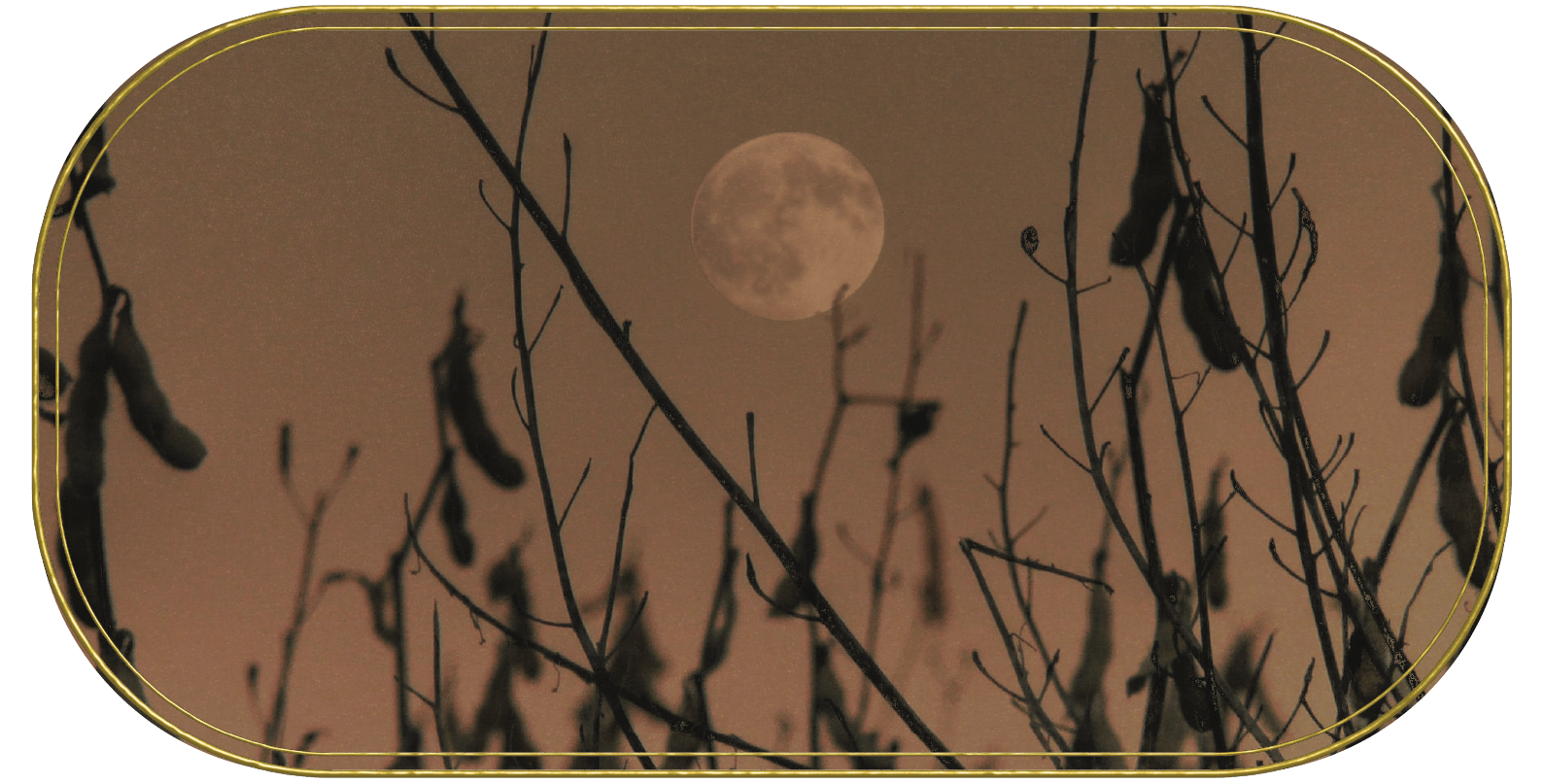
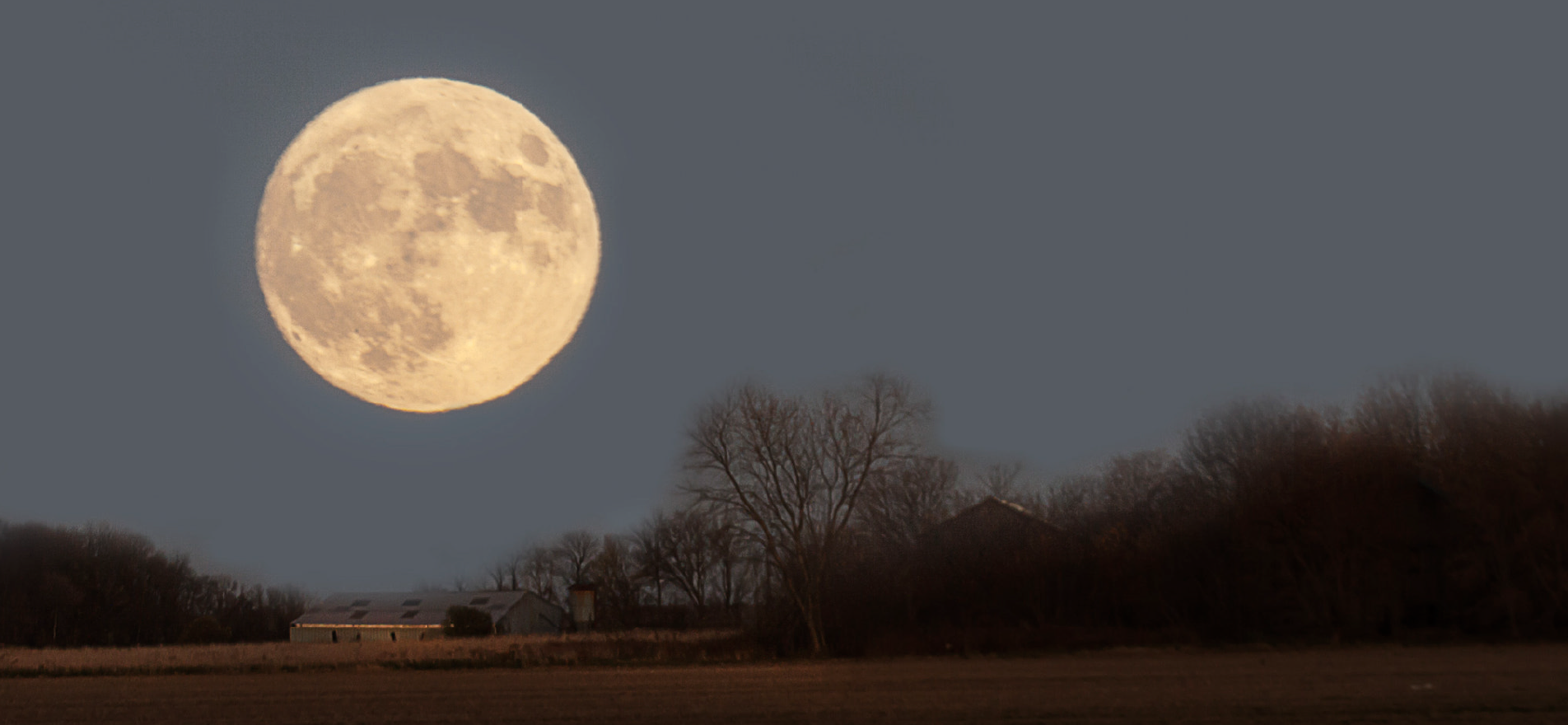
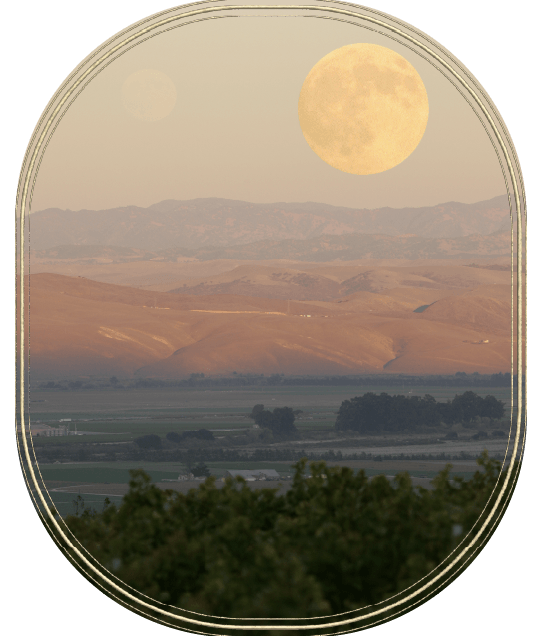
Every Autumn a strange and generous rhythm unfolds in the sky. The Harvest Moon rises just when the nights grow longer and survival once depended on the scarcities of the season. Wide, luminous and unhurried, the Harvest Moon offers farmers an extra gift of light!
The Autumn Moon has long captivated poets, romantics, young lovers, travellers, sailors, and farmers alike. It embodies our deep-rooted connection with the natural world, while its radiant light guides us gently toward growth and rejuvenation. But that’s not all. The Harvest Moon has long held both practical and cultural significance across the world. Unlike other full Moons, the Harvest Moon rises soon after sunset for several consecutive nights, creating an extended period of evening light. This phenomenon is not only beautiful but historically essential particularly for communities dependent on agriculture. In other words, it almost feels conspiratorial, as if nature and the cosmos were in quiet agreement to help us endure.
Which brings us to my favourite fact! Long time ago, in late summer and early autumn, farmers often faced the urgent task of gathering crops before the arrival of winters or seasonal rain. The Harvest Moon provided them with extra hours of natural illumination at a critical time of the year. The bright, moonlit evenings, stretched the working day for the farmers without much dependency on artificial light. Under the plenilune’s luminous watch, darkness softened, doubts dissolved, and even the deepest fears retreated, which was seen as a gift of sacred light to those who tended the earth.
Albeit we must remember, the full moon of the Harvest Moon is not merely an astronomical phenomenon; it carries deep symbolic resonance. It intertwines culture, agriculture, science, philosophy, mythology, esotericism, spirituality and gratitude- creating a mosaic of meaning that transcends its celestial mechanics.
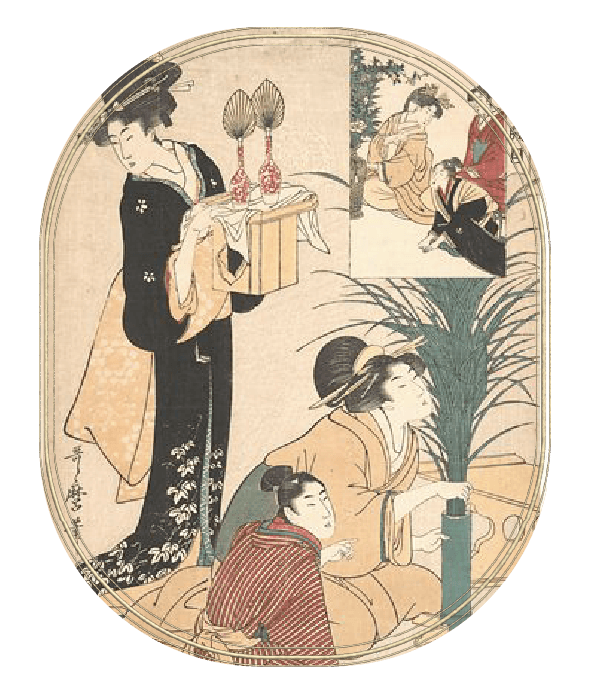
This was once understood as a kind of sacred contract: not written in scripture, but inscribed in cycles of shadow and light. Humanity looked up, recognised the gift, and answered with rituals of reverence. In India, families still leave milk under the moon, a gesture of gratitude, an acknowledgment that the celestial bodies had a hand in survival. In Japan, Harvest Moon is celebrated through a long-standing tradition called Tsukimi, meaning ‘moon viewing’, where people set up displays facing the moon, with offerings placed on as ‘tsukimidai’, to celebrate, admore and honour this phenomenon.
Across cultures, the Harvest Moon stitched together myth, science, and necessity into a single truth: our lives were tethered to a cosmos that noticed us. Unfortunately, we forget this now. Reading about the Harvest Moon can feel like encountering an artifact from another age and a reminder of a time when survival was negotiated directly with a celestial being. We don’t need its light anymore, not practically at least. Cities are flooded with artificial glow. Our devices run through the night. The moon could vanish behind clouds and most of us wouldn’t even notice it. We take it for granted, this indifferent orb that still shows up when it must. And yet, what does that indifference mean? The Harvest Moon doesn’t ask for our attention, but once, not long back, we gave it freely when our gratitude towards it was a reflex, not a performance. To look at the moon was to know, even briefly, that the universe had patterns and that those patterns cared enough to keep us alive.

Today, we might ask- what have we lost by no longer needing the moon? Perhaps not its light, but its lesson. The Harvest Moon doesn’t teach us agriculture anymore, nor even astronomy. It teaches us how to receive gifts we did not earn; from a universe we cannot control, with gratitude instead of entitlement.
Neil Young once sang, “Because I’m still in love with you, I want to see you dance again, because I’m still in love with you, on this harvest moon.” His words feel less like a song about romance and more like a confession of loyalty- a yearning for connection to something we’ve forgotten how to love.
So, the question remains: what does it mean to live in a world where we no longer need the moon, where we seldom look up and admire its essence but the moon still insists on protecting us and keeping its vigil?